
7 Proven Ways to Stay Motivated and Consistent With Your Savings Plan
Saving money sounds simple, but staying motivated long enough to reach your goals is where most people struggle. I have started and restarted savings plans more times than I can count.
What finally worked was learning how to stay consistent, even when motivation faded. In this guide, I will share seven proven ways to stay motivated and consistent with your savings plan, based on real experience and practical strategy.
1. Set Clear, Specific, and Emotional Financial Goals
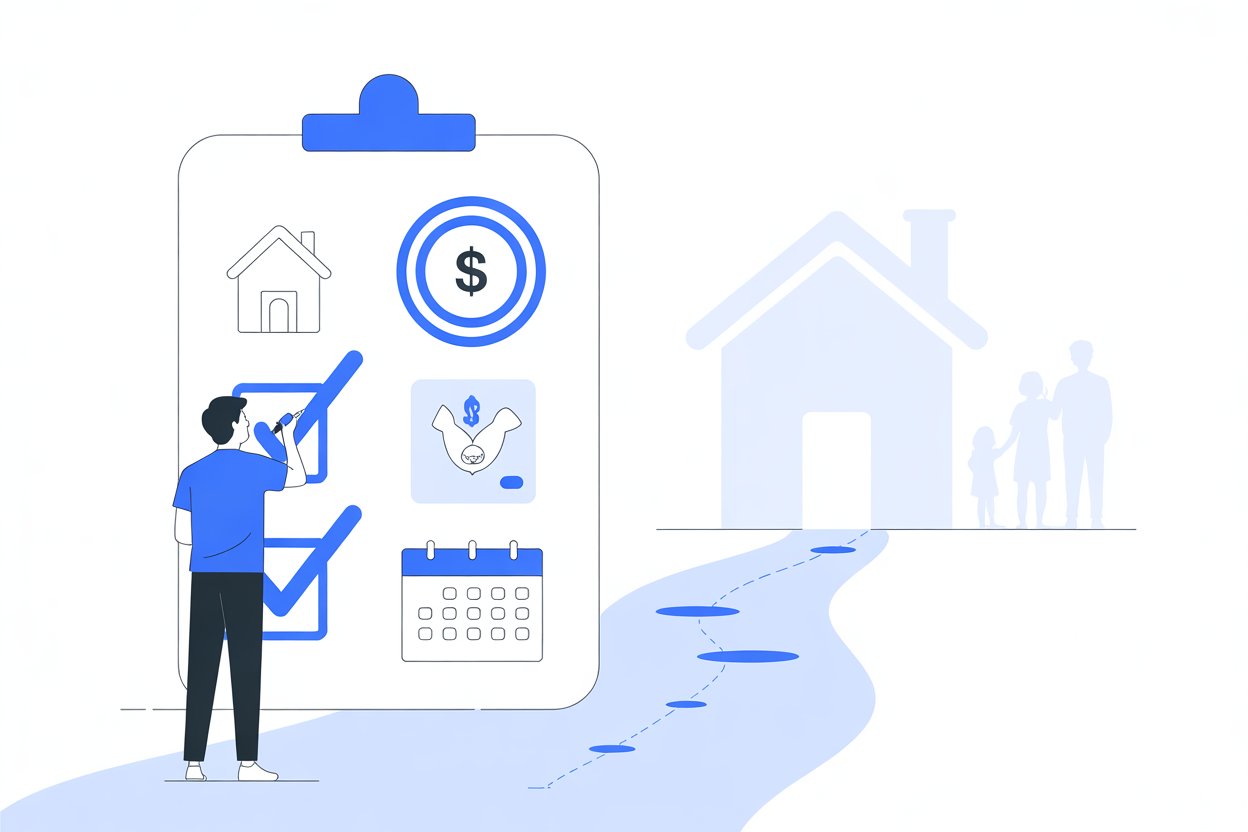
The first time I tried saving seriously, my goal was vague. I simply wanted more money in my account. That did not work.
When your goal is unclear, your brain does not feel urgency. Specific goals create direction and purpose.
Instead of saying, I want to save more money, say, I want 50,000 dollars in five years for a home down payment. That clarity changes your behavior.
Your goals should be measurable and time bound. Numbers give your savings plan structure.
But beyond numbers, your goal must also be emotional. Ask yourself why it matters. When I connected my savings to peace of mind and family stability, I felt stronger commitment.
Here is how to strengthen your goal:
- Write down the exact amount you need
- Set a clear deadline
- Define why this goal matters deeply
- Visualize the outcome regularly
- Keep reminders where you can see them
Emotional connection fuels long term consistency. Without it, saving feels like sacrifice instead of progress.
2. Break Big Savings Goals Into Small, Achievable Milestones
Big financial goals can feel overwhelming. If you need 100,000 dollars, that number alone may discourage you.
I learned that breaking goals into smaller milestones makes them manageable. Instead of focusing on the full amount, focus on the next small target.
For example:
- First 1,000 dollars
- First 5,000 dollars
- First 10,000 dollars
Each milestone builds momentum. Progress becomes visible and motivating.
Celebrate small wins, but do not overspend as a reward. Recognition can be simple, like sharing your achievement with a trusted friend or tracking it visually.
Small milestones reduce stress. They also make your savings plan feel achievable rather than distant.
Consistency grows when you see steady progress, even if it is gradual.
3. Automate Your Savings to Remove Temptation
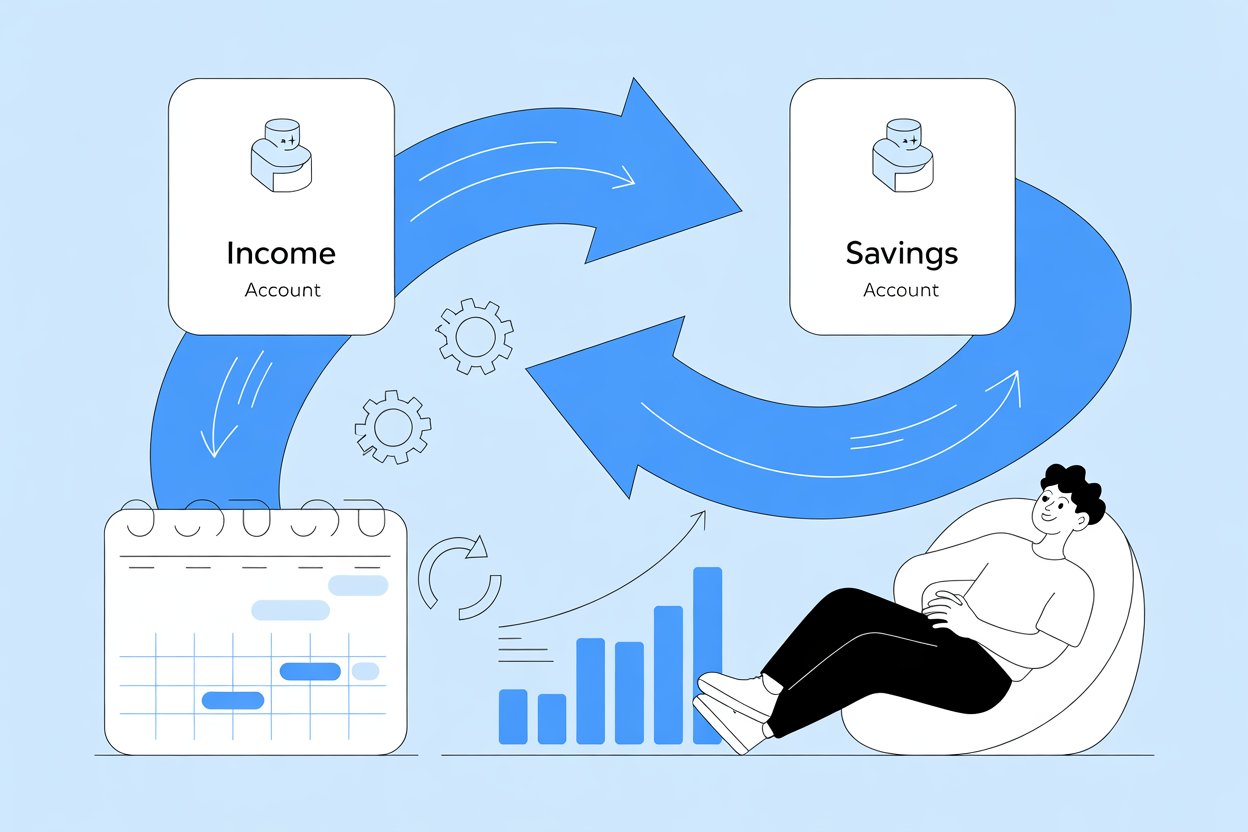
One of the most powerful changes I made was automating my savings. Before that, I relied on discipline. Discipline is unreliable when emotions are involved.
Automation removes decision making. Money moves into your savings account before you have the chance to spend it.
Set up automatic transfers right after payday. Treat savings like a fixed bill, not an optional expense.
To strengthen automation:
- Open a separate account for each major goal
- Schedule automatic monthly transfers
- Increase the transfer amount when income rises
- Avoid easy access to savings funds
When savings happen automatically, consistency becomes easier. You do not have to think about it every month.
Automation protects you from impulse spending. It also builds a habit without constant effort.
This one strategy alone can dramatically improve long term savings success.
4. Track Your Progress Regularly
Saving without tracking is like driving without checking the map. You may be moving, but you do not know how close you are to your destination.
Tracking progress keeps you aware and motivated. I check my savings totals at least once a month.
Seeing numbers grow, even slowly, builds confidence. It reminds you that your effort is working.
You can track progress using:
- A simple spreadsheet
- A budgeting app
- A notebook
- Visual goal charts
Tracking also helps you catch problems early. If you miss a contribution, you can adjust quickly instead of falling behind for months.
Be honest with your numbers. Do not ignore setbacks. Use them as information, not failure.
Progress tracking transforms saving from guesswork into strategy.
5. Increase Your Income to Boost Motivation
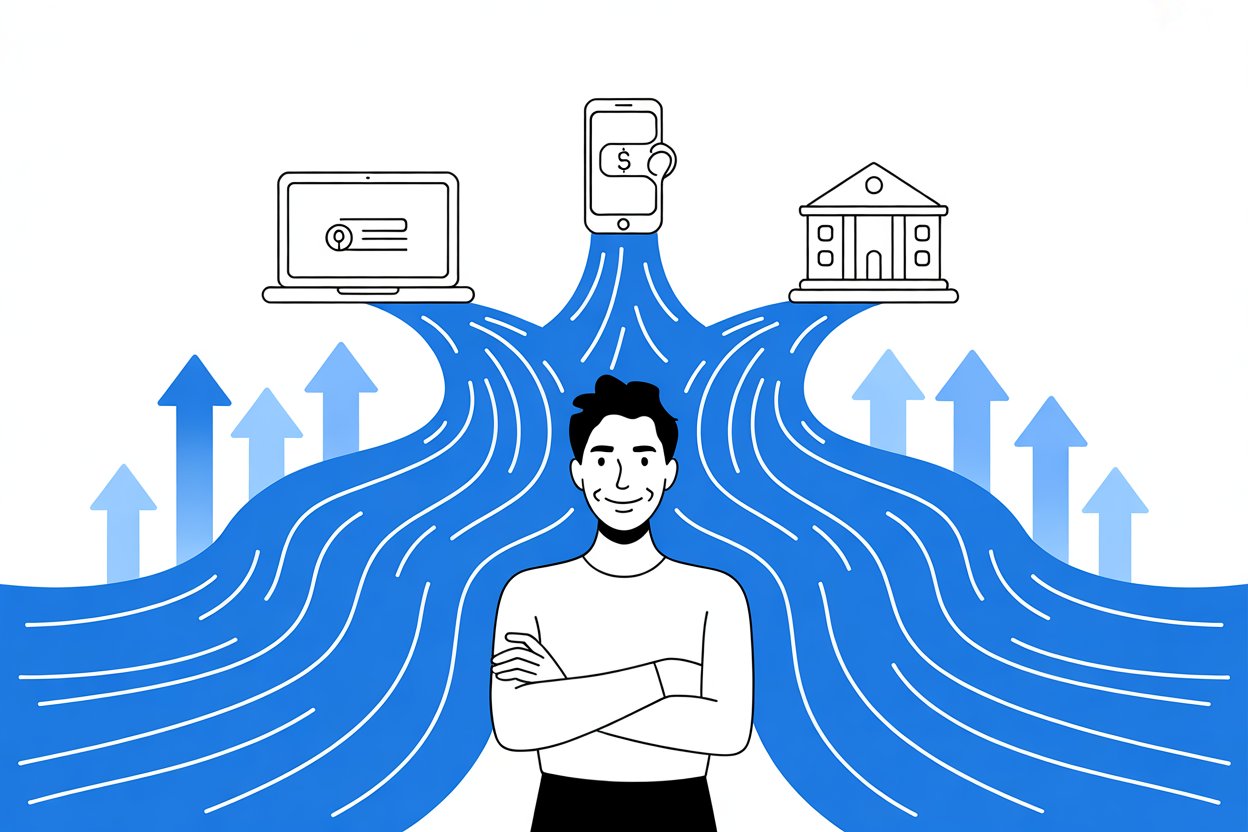
There is only so much you can cut from your expenses. At some point, increasing income becomes more powerful than reducing spending.
When I focused only on cutting expenses, I felt restricted. When I started increasing my income, my motivation improved.
Extra income accelerates progress. It makes your goal feel closer and more realistic.
Consider ways to grow income:
- Freelance work
- Online side businesses
- Skill development
- Asking for raises
- Investing wisely
Even small increases can make a big difference over time.
Higher income also reduces pressure. Saving becomes less painful when you are not constantly sacrificing basic comfort.
Growing your earning ability strengthens both your financial stability and your confidence.
6. Reduce Financial Stress With an Emergency Fund
Unexpected expenses are one of the biggest motivation killers. If every emergency forces you to dip into your savings, frustration builds quickly.
An emergency fund protects your long term goals from disruption.
Aim to save three to six months of living expenses in a separate, easily accessible account.
An emergency fund provides:
- Peace of mind
- Protection from debt
- Stability during income drops
- Confidence to stay consistent
When you know you are protected, you feel less anxious about long term savings.
Financial stress drains motivation. Security strengthens it.
Building this safety net first allows your savings plan to grow without constant interruption.
7. Build Strong Financial Habits and Accountability Systems
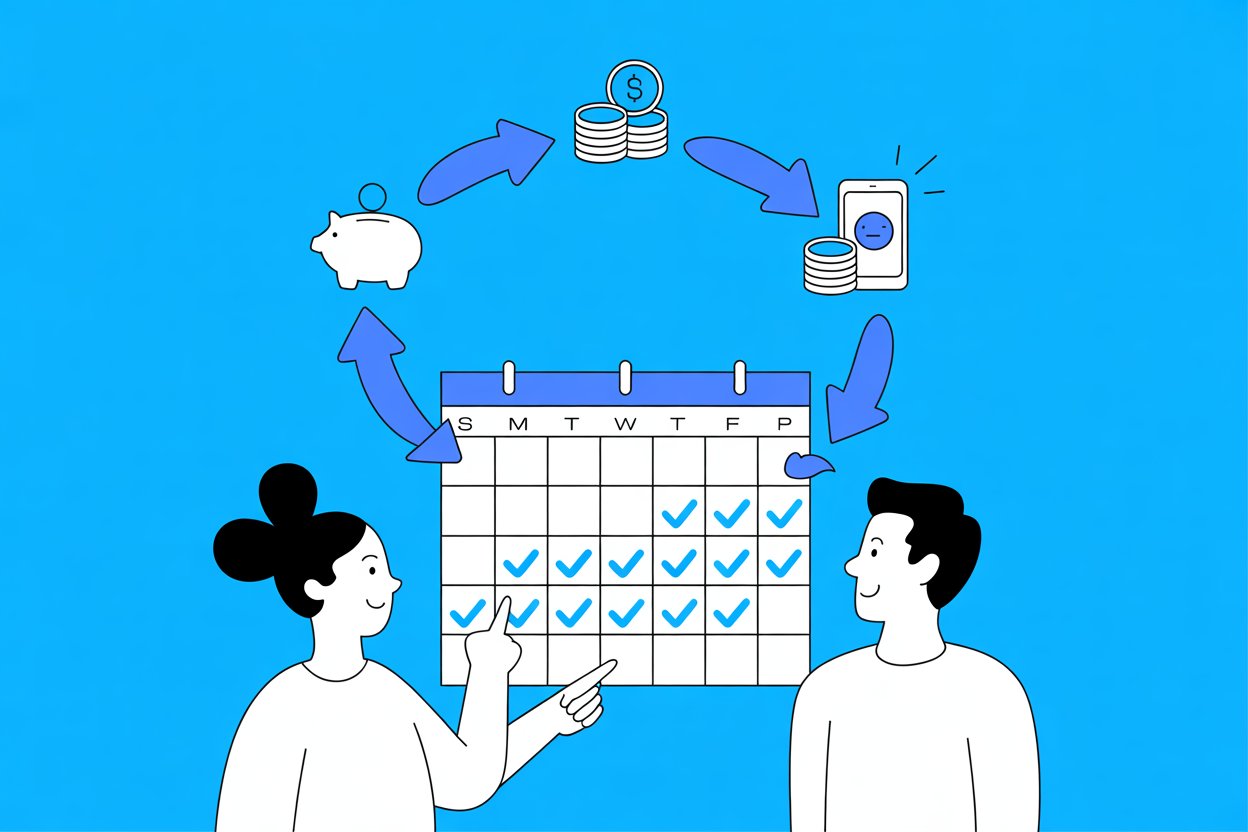
Motivation fades, habits remain. Long term consistency depends more on routine than inspiration.
I started linking my savings review to an existing habit. Every month after paying bills, I reviewed my progress. This simple routine created structure.
Habit stacking works well. Attach a savings action to something you already do regularly.
Accountability also matters. Sharing your goal with a trusted friend can increase commitment.
To strengthen habits:
- Review finances on a fixed monthly date
- Track savings immediately after payday
- Avoid emotional spending triggers
- Surround yourself with financially disciplined people
Community support can also help. Online forums and savings challenges create encouragement.
When saving becomes part of your identity, consistency becomes natural.
Common Mistakes That Kill Savings Motivation
Even strong plans can fail if certain mistakes are repeated.
One major mistake is setting unrealistic deadlines. Ambitious goals are good, but impossible timelines lead to disappointment.
Another common error is comparing your journey to others. Social media can create unrealistic expectations about wealth.
Avoid these mistakes:
- Ignoring inflation
- Overestimating investment returns
- Frequently withdrawing savings
- Failing to adjust plans when income changes
- Treating savings as optional
Remember, your financial journey is personal. Progress looks different for everyone.
Patience is essential. Consistency over years matters more than short bursts of extreme saving.
Tools and Strategies to Stay Consistent Long Term
Simple tools can strengthen discipline. You do not need complex systems.
Consider:
- Budgeting methods that prioritize savings
- Visual progress trackers
- Automatic transfer systems
- Quarterly goal reviews
Reward systems can also help, as long as they do not sabotage progress. For example, allow yourself a small treat after reaching a milestone.
Keep systems simple. Complexity often leads to abandonment.
Long term consistency depends on sustainability. Choose strategies you can maintain for years.
Final Thoughts
Staying motivated and consistent with your savings plan is not about constant excitement. It is about building systems that support you even on difficult days.
Clear goals create direction. Small milestones build confidence. Automation protects discipline. Tracking provides clarity. Increasing income accelerates progress. Emergency funds reduce stress. Strong habits sustain momentum.
I have learned that saving money is less about income level and more about behavior.
Start where you are. Stay consistent. Adjust when necessary. Protect your progress.
Over time, your savings plan becomes more than a strategy. It becomes a lifestyle.
And when your goals finally become reality, you will be grateful that you chose consistency over temporary comfort.