How to Validate an Online Business Idea Before Launching
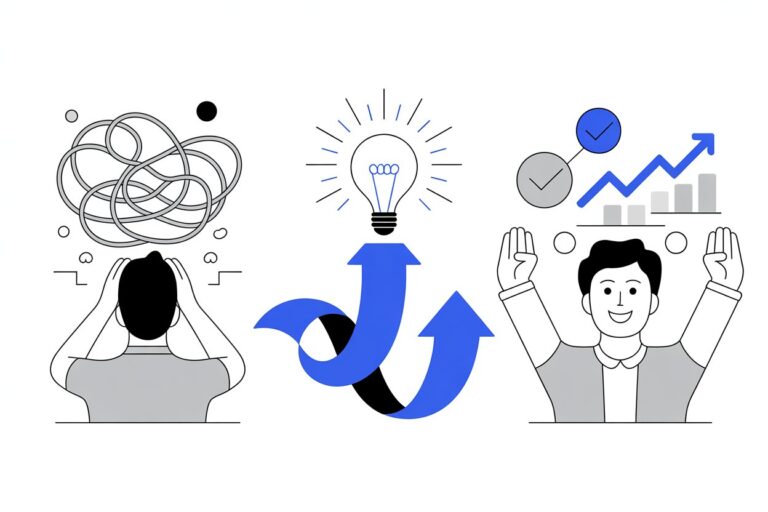
Starting an online business sounds exciting until you realize how many people spend months building something nobody actually wants. I’ve seen people invest money into websites, logos, and products before even confirming if real customers exist.
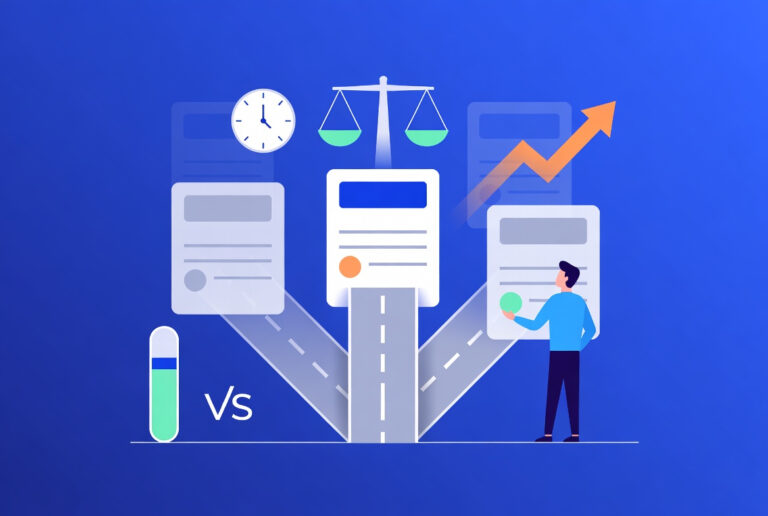
Validating your business idea first helps you avoid wasted time, stress, and disappointment while giving you more confidence before launch.
Start With a Clear Problem to Solve

Most successful online businesses begin with a problem. People spend money when they want relief, convenience, better results, or faster solutions. If your idea does not solve something meaningful, it becomes harder to attract loyal customers.
A common mistake beginners make is creating a business around what they personally like instead of what people genuinely need. Passion helps, but demand matters more. You need both working together.
Think about everyday frustrations people complain about online. These complaints often turn into profitable business ideas because they reveal real pain points.
Some examples include:
- Busy people struggling to meal prep
- Small businesses needing affordable websites
- Students searching for side hustles
- Remote workers looking for productivity tools
- Parents wanting educational resources for kids
The clearer the problem, the easier it becomes to market your business later. Customers should instantly understand how your product or service helps them.
Before moving forward, ask yourself a simple question, “Would people actively search for this solution?” If the answer feels uncertain, your idea may still need work.
Define Your Target Audience
One of the biggest reasons online businesses fail is trying to sell to everyone. When your audience is too broad, your message becomes weak and forgettable.
You need to know exactly who your ideal customer is. This helps you create better products, stronger content, and more effective marketing campaigns.
Start by identifying basic details about your audience:
- Age range
- Occupation
- Income level
- Interests
- Daily struggles
- Online habits
For example, selling budgeting templates to college students requires a different approach than selling investment courses to working professionals.
The more specific you get, the easier it becomes to connect emotionally with your audience. People respond better when content feels personalized to their situation.
I’ve noticed that businesses with a narrow audience usually grow faster in the beginning because their messaging feels sharper and more relatable.
You should also find out where your audience spends time online. Some audiences live on TikTok, while others prefer Facebook groups, LinkedIn, Reddit, or YouTube.
Understanding this early helps you validate your idea in the right places instead of wasting energy on platforms your audience barely uses.
Research Your Competitors Thoroughly

Many people get discouraged when they discover competitors. In reality, competition can actually be a good sign because it proves there is already demand in the market.
If nobody is doing something similar, that can sometimes mean there is little interest. Instead of fearing competitors, study them carefully.
Look at:
- Their products or services
- Customer reviews
- Pricing structure
- Marketing style
- Social media engagement
- Strengths and weaknesses
Customer reviews are especially valuable because they reveal what buyers love and what frustrates them. Negative reviews often expose market gaps you can improve on.
For example, if customers repeatedly complain about slow delivery, poor support, or confusing instructions, you can position your business as the better alternative.
Do not copy competitors directly. Your goal is to understand the market and identify opportunities to stand out.
Sometimes a small improvement makes a huge difference. Better communication, simpler design, faster customer support, or more beginner-friendly content can separate you from crowded competition.
Competitor research also helps you avoid unrealistic expectations. You begin to understand what customers expect, what pricing works, and how businesses in your niche attract attention.
Use Google Search Trends to Measure Demand
One of the easiest ways to validate a business idea is checking whether people actively search for it online. Search behavior reveals what people care about right now.
Google Trends can help you see whether interest in a topic is growing, stable, or declining. This is incredibly useful before investing serious time or money.
For example, if searches for “digital planners” continue rising over time, that suggests growing demand. But if searches consistently decline, the opportunity may be shrinking.
Pay attention to seasonal trends too. Some businesses perform strongly only during certain periods.
Examples include:
- Fitness products in January
- Gift businesses during holidays
- Travel products in summer
- School supplies before new semesters
You should also look at keyword search volume. High search demand usually means stronger business potential, especially if buyer intent exists.
People searching phrases like:
- “Best email marketing software”
- “Affordable website designer”
- “Buy skincare products online”
are usually closer to making purchasing decisions.
Search trends help remove emotional bias. Instead of guessing whether people care about your idea, you can see actual behavior data.
Validate Your Idea Using Social Media

Social media platforms are excellent for testing business ideas because people constantly reveal their interests through comments, shares, likes, and discussions.
Before launching anything, spend time observing conversations in your niche. Watch what people complain about, ask questions about, or get excited over.
This gives you direct insight into market demand.
You can also test your idea by creating content around it before building the actual product. This strategy works surprisingly well.
For example, if you want to launch a fitness coaching program, start posting fitness advice first. If your content gets strong engagement, that is usually a positive sign.
Pay attention to:
- Comments
- Direct messages
- Shares
- Saves
- Audience questions
- Content engagement patterns
Sometimes your audience will literally tell you what they want if you listen carefully enough.
Polls and question stickers can also help you collect quick feedback. People enjoy sharing opinions when the process feels easy and interactive.
Another useful strategy is testing different offers through content. One topic may attract far more interest than another, helping you refine your business direction before launch.
Check Online Communities and Forums
Online communities are goldmines for business validation because people speak honestly there. Unlike polished marketing content, forums often reveal real frustrations and unmet needs.
Places like Reddit, Quora, Facebook groups, and niche forums can help you understand what your target audience struggles with daily.
Look for repeated questions and complaints. Repetition matters because it signals widespread problems.
For example, if hundreds of people keep asking how to find affordable freelancers, that may indicate demand for a platform solving that issue.
Focus on:
- Frequently asked questions
- Emotional complaints
- Product recommendations
- Comparison discussions
- Buying frustrations
- Requests for solutions
Communities also help you understand the language customers use naturally. This improves your future marketing because you learn how real people describe their problems.
I’ve personally noticed that businesses succeed faster when they sound human instead of overly corporate. Forums teach you how customers actually talk.
Do not enter communities just to promote yourself immediately. Spend time learning first. Genuine observation provides far more value during the validation stage.
Analyze Search Keywords Before Launching
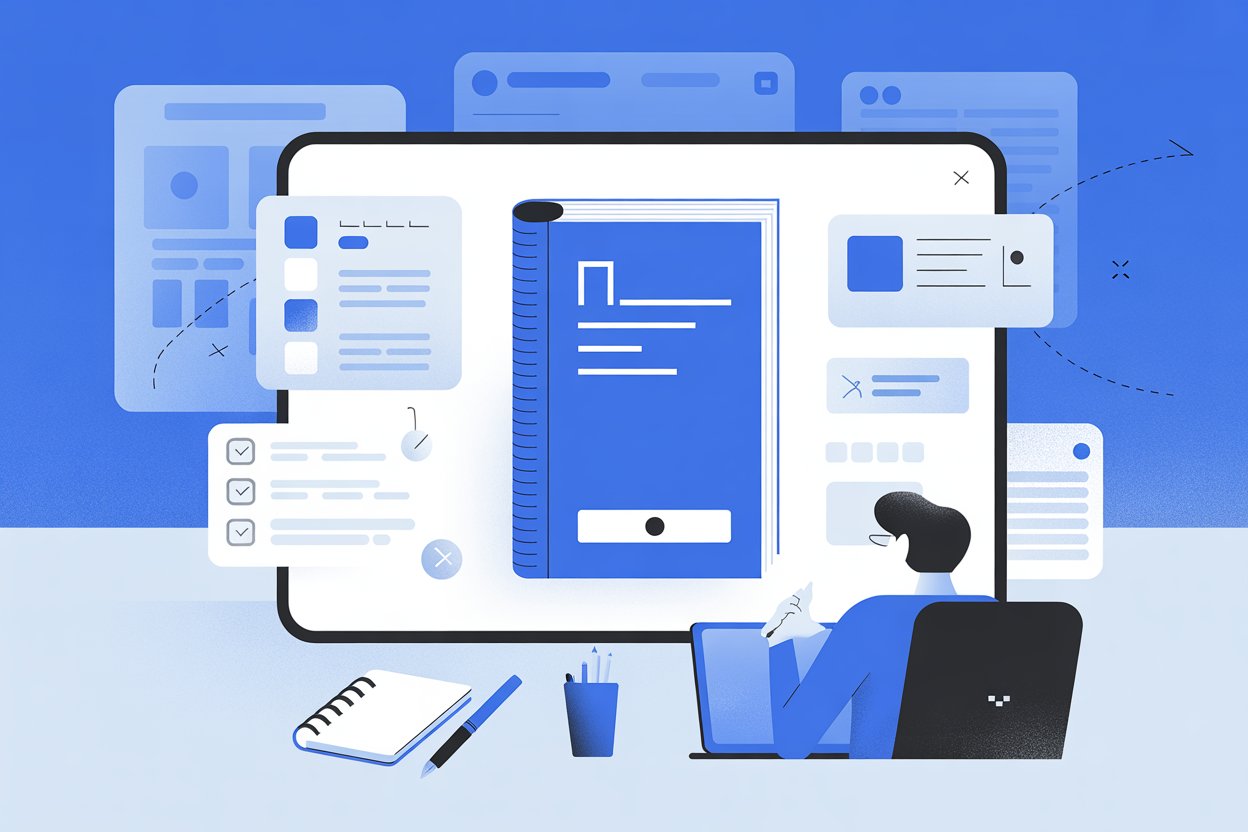
Keyword research helps you understand whether people are actively searching for solutions related to your business idea.
This step matters because online businesses heavily depend on visibility. If nobody searches for topics connected to your idea, attracting traffic becomes much harder.
Look for keywords with healthy search volume and clear buyer intent. Informational searches are useful, but transactional keywords often reveal stronger business potential.
Examples include:
- “Best online business course”
- “Affordable logo designer”
- “Buy budget planner”
- “Email templates for freelancers”
Long-tail keywords are especially helpful because they reveal specific customer intentions. Someone searching “best productivity app for students” already has a defined problem.
Keyword research also helps you create future content strategies. You discover what topics people care about most and what solutions they actively seek.
Pay attention to keyword difficulty too. Highly competitive niches may require stronger marketing budgets and longer growth timelines.
Sometimes smaller niches with moderate competition become easier opportunities for beginners.
Instead of chasing massive markets immediately, focus on finding areas where you can realistically stand out.
Create a Simple Value Proposition
A value proposition explains why someone should choose your business instead of another option. If people cannot quickly understand your value, they usually lose interest.
Your message should feel simple and direct. Avoid complicated language or vague claims.
A strong value proposition usually answers three questions:
- What do you offer?
- Who is it for?
- Why is it useful or different?
For example:
“Affordable budgeting templates designed for busy college students.”
That sentence instantly communicates the audience, product, and benefit.
Weak value propositions often sound generic because they try to impress rather than communicate clearly.
Customers care more about results than fancy wording. They want to know how your business improves their lives.
You can test your value proposition by sharing it with people in your target audience. If they immediately understand it, you are moving in the right direction.
If they seem confused or ask too many follow-up questions, simplify the message further.
Sometimes one sentence can determine whether someone stays interested or clicks away.
Test Your Idea With a Landing Page
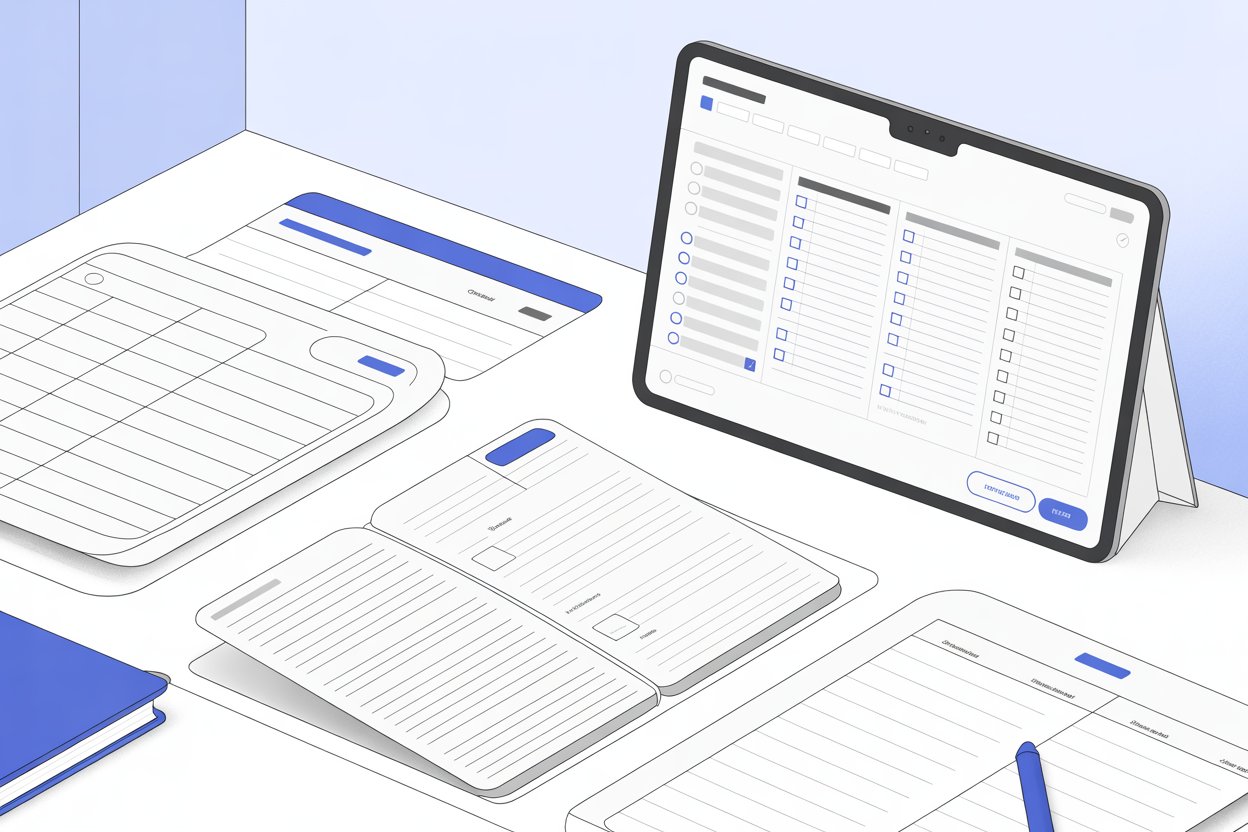
You do not need a fully built business to start validating demand. A simple landing page can reveal whether people are genuinely interested in your idea.
Your landing page should explain:
- What your business offers
- Who it helps
- Main benefits
- A clear call-to-action
The goal is not perfection. You simply want to measure interest levels before investing heavily.
For example, you can collect email sign-ups from people interested in early access, updates, or pre-orders.
If nobody signs up after receiving traffic, that may signal weak market interest or poor messaging.
Landing pages are powerful because they force real behavior. People can say they like your idea, but actions matter more than compliments.
I’ve seen situations where friends praised business ideas enthusiastically, yet strangers showed zero interest once the product became available.
Validation becomes stronger when people willingly give emails, join waiting lists, or request updates.
Even small numbers can provide valuable direction in the beginning.
Run Small Paid Ads to Test Market Interest
Paid ads can quickly reveal whether your business idea attracts attention. You do not need huge budgets for this stage.
Even small test campaigns can provide useful insights about audience interest and messaging performance.
Run simple ads promoting:
- A waiting list
- Free guide
- Landing page
- Pre-order offer
- Email sign-up
Focus on measuring engagement instead of immediate profit during early validation.
Important metrics include:
- Click-through rates
- Conversion rates
- Cost per click
- Email sign-ups
- Audience engagement
If people consistently ignore your ads, your offer may need adjustment. Sometimes the issue is poor targeting, weak messaging, or low perceived value.
Testing different headlines and visuals can dramatically change results.
One thing I’ve learned is that customer attention is brutally honest. If something truly resonates, people react quickly.
Paid advertising helps you gather real-world data faster than relying on assumptions alone.
Pre-Sell Your Product or Service

Pre-selling is one of the strongest forms of validation because it tests whether people are actually willing to spend money.
Interest alone is not enough. Real businesses survive through paying customers, not compliments.
Many successful businesses started with pre-orders before building the final product fully.
This approach works well for:
- Online courses
- Digital products
- Coaching programs
- Membership communities
- Physical products
- Software tools
Pre-selling reduces risk because you validate demand before investing heavily in production.
You also gain early customer feedback that helps improve the final offer.
Some people fear pre-selling because they worry about looking unprofessional. In reality, many customers enjoy being early supporters if the value feels clear.
Transparency matters though. Be honest about timelines and expectations.
If people willingly pay before launch, that is one of the clearest signs your idea has potential.
Launch a Minimum Viable Product (MVP)
A minimum viable product is the simplest version of your business idea that still delivers value.
Too many entrepreneurs delay launching because they chase perfection. Meanwhile, customers usually care more about usefulness than perfection.
Your MVP allows you to:
- Test real demand
- Collect customer feedback
- Improve faster
- Reduce financial risk
- Learn what customers truly value
For example, a course creator might launch with only one module initially instead of building an entire academy first.
A web designer might start with simple service packages before creating a large agency structure.
The goal is learning, not impressing people with complexity.
Real feedback beats endless planning every single time.
Customers often reveal unexpected needs once they start interacting with your product. Those insights become easier to discover through an MVP approach.
Launching early also helps build momentum. Instead of staying stuck in preparation mode forever, you start gaining practical experience immediately.
Collect and Analyze Customer Feedback
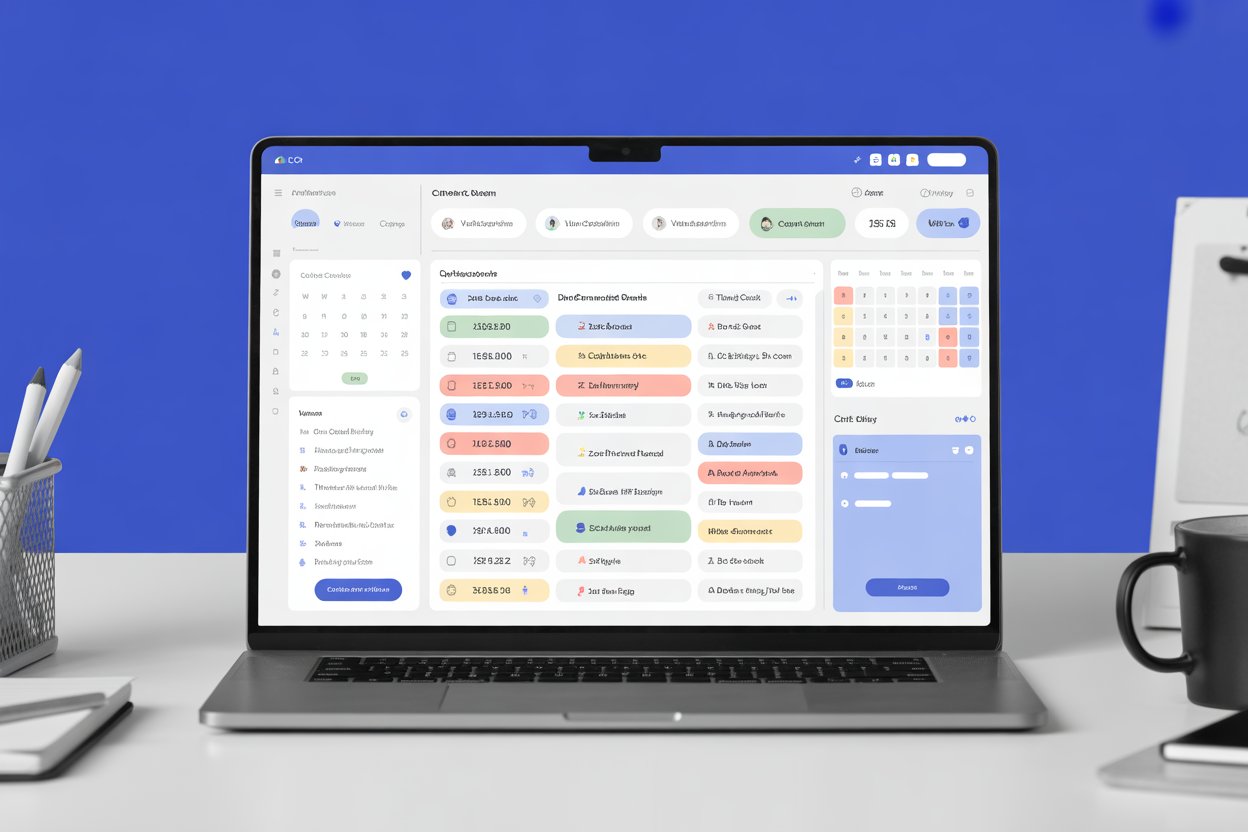
Feedback is one of the most valuable assets during validation because it shows how real people experience your offer.
Do not rely only on your personal opinion. Customers notice things you may completely overlook.
Ask simple questions like:
- What problem were you trying to solve?
- What almost stopped you from buying?
- What confused you?
- What did you like most?
- What improvements would help?
Honest feedback helps refine your business before scaling.
Negative feedback may feel uncomfortable, but it often provides the biggest growth opportunities. Businesses improve faster when founders listen carefully instead of becoming defensive.
Pay attention to patterns rather than isolated opinions. If many people mention the same concern repeatedly, that issue probably deserves attention.
Customer conversations can also inspire new product ideas, content topics, or additional services.
Sometimes your audience unintentionally guides you toward even stronger opportunities than your original idea.
Validate Pricing Before Full Launch
Pricing can make or break an online business. Even a great product may struggle if customers feel the price does not match the perceived value.
Many beginners either underprice out of fear or overprice without market understanding.
Testing different price points helps you find balance.
Things that influence pricing include:
- Competitor pricing
- Product quality
- Audience income level
- Brand positioning
- Customer results
- Market demand
Do not assume cheaper always wins. Sometimes extremely low pricing reduces trust because customers associate price with quality.
You can test pricing through:
- Limited offers
- Split testing
- Pre-orders
- Survey feedback
- Small ad campaigns
Validation is not only about proving people want your idea. It is also about proving the business can realistically generate profit.
A business attracting attention but failing financially still creates long-term problems.
That is why pricing validation matters before scaling aggressively.
Measure Key Metrics That Matter
Validation becomes more reliable when you track numbers instead of emotions. Metrics reveal what is truly working.
Some important metrics include:
- Website traffic
- Email sign-ups
- Conversion rates
- Customer retention
- Cost per lead
- Engagement rates
For example, high traffic with low conversions may indicate messaging problems. Strong conversions with low traffic may suggest growth potential through better marketing.
Tracking metrics helps you make smarter decisions based on evidence instead of assumptions.
You also avoid emotional overreactions. Some days may feel discouraging, but numbers provide a clearer picture over time.
Focus on progress rather than perfection. Early-stage businesses rarely explode overnight.
Consistent improvement usually matters more than immediate viral success.
Even small positive signals can become meaningful when they continue growing steadily.
Common Mistakes to Avoid When Validating an Online Business Idea
Many entrepreneurs accidentally sabotage their validation process by making avoidable mistakes.
One common issue is falling in love with the idea instead of focusing on customer needs. Emotional attachment can blind you to weak demand signals.
Another mistake is asking only friends and family for feedback. People close to you often try to be supportive rather than brutally honest.
Avoid these mistakes:
- Ignoring negative feedback
- Overspending before validation
- Targeting everyone
- Copying competitors exactly
- Relying only on social media likes
- Waiting endlessly for perfection
Social media engagement alone can also become misleading. Thousands of views do not always translate into paying customers.
Real validation happens when people take meaningful actions like signing up, joining waiting lists, or purchasing.
Another dangerous mistake is building too much too early. Massive upfront investments increase pressure before demand becomes proven.
Start lean whenever possible. Flexibility helps you adapt faster if customer feedback changes your direction.
Final Thoughts
Validating your online business idea before launching can save you from months of frustration and unnecessary expenses. It gives you clearer direction, stronger confidence, and a better understanding of what customers genuinely want.
The biggest lesson I’ve learned is that assumptions are dangerous in business. What sounds brilliant in your head may completely fail in the market if real demand does not exist.
Instead of guessing, test everything step by step. Listen carefully to feedback, pay attention to customer behavior, and stay flexible enough to improve along the way.
A validated business idea does not guarantee instant success, but it dramatically increases your chances of building something people actually want and are willing to pay for.