How to Build a Thriving Online Business Without Losing Your Day Job
You do not need to quit your job to build a successful online business. In fact, keeping your day job can give you stability, confidence, and financial breathing room while you grow something meaningful on the side.
Why You Don’t Need to Quit Your Job to Start an Online Business
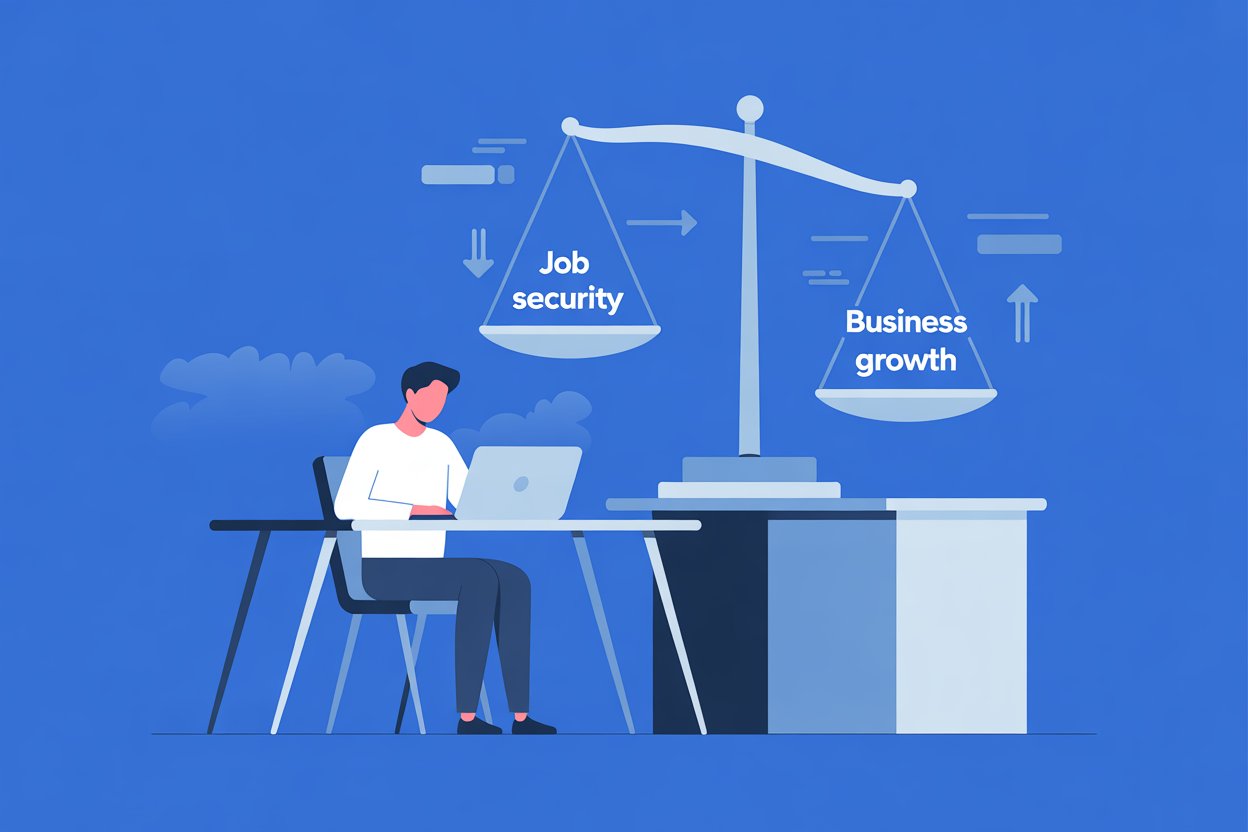
There is a popular idea online that says you must quit your job to become a real entrepreneur. It sounds bold and inspiring, but it is not always wise.
When you keep your job, you reduce pressure. You are not desperate for your business to make money immediately. That mental freedom helps you make better decisions.
Your salary becomes your safety net. It pays your rent, your food, and your bills while your business grows slowly and steadily.
Instead of rushing, you can focus on learning skills, testing ideas, and improving your offers without panic.
Building quietly while employed also allows you to experiment. If one idea fails, your lifestyle is not destroyed.
The goal is not to stay in your job forever. The goal is to use it as a launchpad, not an anchor.
The Smart Way to Start an Online Business While Employed
Starting smart means accepting your limits. You have fewer hours than someone working full time on their business.
Be honest about your available time. Maybe you have two hours each evening and a few hours on weekends. That is enough if you use it properly.
You must protect your energy. After a long workday, your focus may be lower, so choose tasks that match your mental state.
Here are principles that help:
- Start small and simple
- Avoid complex projects early
- Focus on one business model
- Measure progress weekly
Do not try to build five income streams at once. That only leads to burnout.
Consistency beats intensity. Two focused hours daily for a year can completely change your income situation.
Choosing the Right Online Business Model for Limited Time
Not every online business works well when you are employed full time. Some require constant attention and fast response times.
Service based businesses can bring quicker cash, but they trade time for money. Product based models may take longer to build but can scale better.
Good part time friendly business models include:
- Freelance writing
- Selling digital products
- Affiliate marketing
- YouTube content creation
- Online tutoring
Avoid models that require constant live customer support if your job restricts your availability.
Think about your strengths. If you enjoy writing, content based businesses may feel easier. If you like speaking, tutoring or coaching may suit you better.
Choose a model that fits your personality and schedule, not just what is trending online.
Setting Clear Goals and a 12 Month Exit Strategy
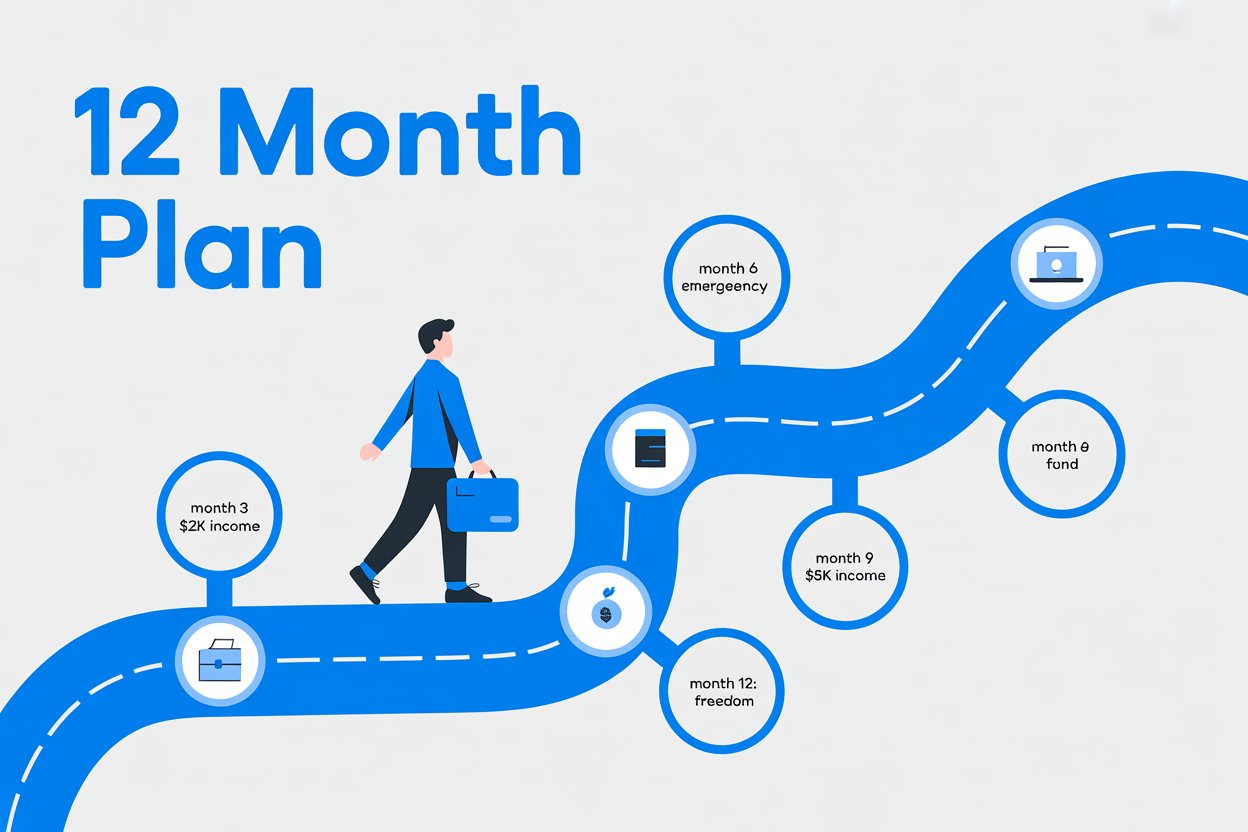
Building without direction leads to frustration. You need a target.
Start by asking yourself how much income would allow you to quit comfortably. Calculate your monthly expenses honestly.
Then set milestones. For example:
- Reach 500 dollars monthly
- Build emergency savings for six months
- Grow business income to 70 percent of salary
Having clear benchmarks keeps you motivated. It also prevents emotional decisions.
You should not quit after one lucky month. Look for consistent income over several months.
Create a rough 12 month plan. The first few months may focus on learning and setup. Later months should focus on scaling and refinement.
When your business income becomes stable and predictable, your transition will feel less scary.
Time Management Systems for Working Professionals
Time is your most valuable asset when building a side business.
You cannot waste evenings scrolling endlessly on social media if you are serious about growth.
A simple system works best. Dedicate specific time blocks for business tasks.
For example:
- Weekdays, 7 pm to 9 pm, focused work
- Saturday mornings, content creation
- Sunday evenings, planning and review
Turn off notifications during these sessions. Protect that time like an important meeting.
Batch similar tasks together. If you are writing content, write multiple pieces in one sitting instead of switching tasks constantly.
Rest is important too. Do not sacrifice sleep completely. Fatigue reduces creativity and productivity.
Balance is not about perfection. It is about sustainability.
Building Your Online Brand After Work Hours
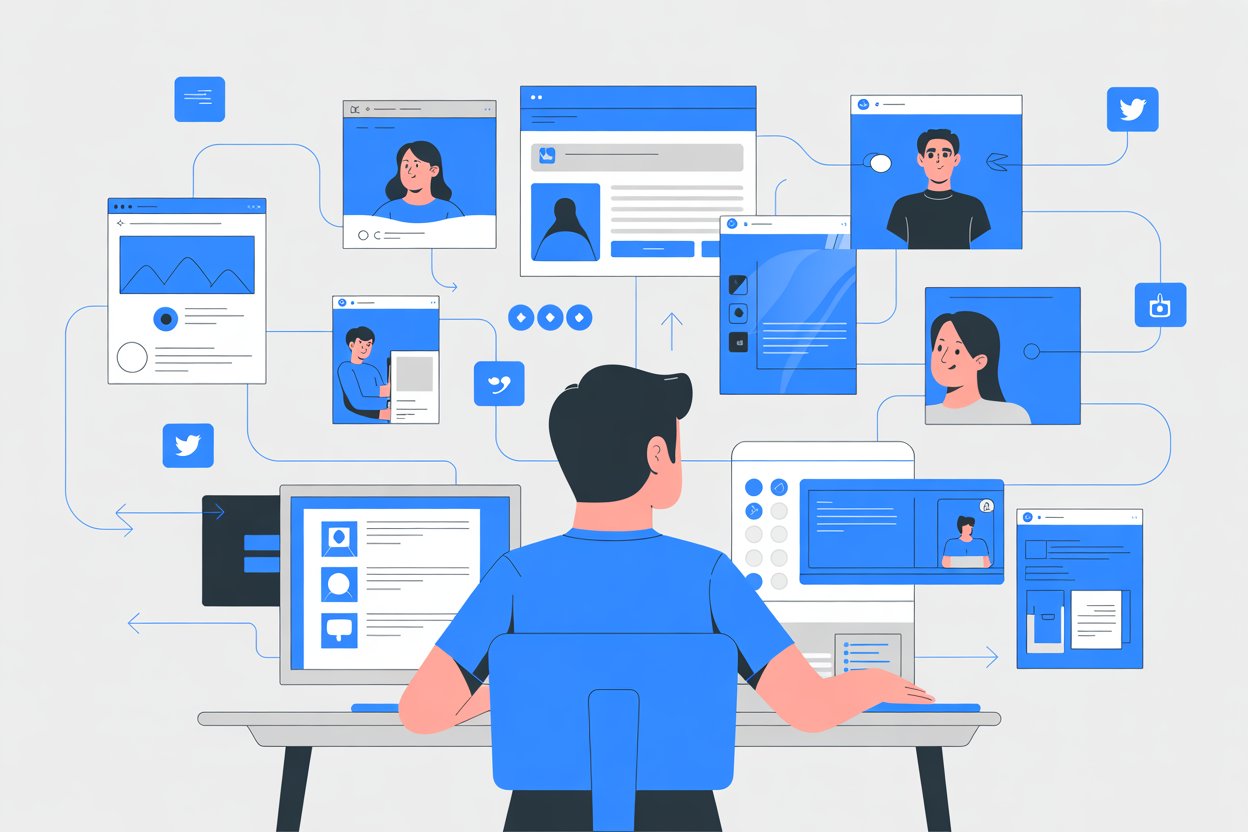
Your brand is how people perceive you online. Even if you are starting small, presentation matters.
You do not need a complicated website. A simple, clean platform is enough.
Start with:
- A clear niche
- A professional profile photo
- A short and clear bio
- Consistent messaging
Content builds trust. Share helpful posts related to your niche regularly.
If you are into personal finance, share budgeting tips. If you are into digital marketing, share practical strategies.
Focus on value, not vanity metrics. A small engaged audience is better than a large silent one.
Consistency builds authority. Even posting twice a week can make a difference over time.
People need to see you repeatedly before they trust you enough to buy.
Validating Your Business Idea Before Investing Heavily
One of the biggest mistakes people make is building in silence without testing demand.
Before spending money or months building a product, confirm that people want it.
You can validate by:
- Checking search trends
- Reading comments in online forums
- Studying competitor reviews
- Asking your audience directly
If people are already paying for similar solutions, that is a good sign.
You do not need to reinvent everything. Sometimes improving what exists is enough.
Start with a simple offer. If you want to create a course, test with a small workshop first.
Early feedback helps you adjust before investing more time and money.
Validation protects your energy and resources.
Managing Energy, Stress, and Work Life Balance
Balancing a job and a business can be exhausting. You must manage your energy carefully.
There will be days when you feel overwhelmed. That is normal.
Set realistic expectations. You will not grow as fast as someone working full time on their business.
Communicate with family and friends. Let them know why you are dedicating extra time to your project.
Simple habits help maintain balance:
- Exercise regularly
- Sleep at least six hours
- Take short breaks during work sessions
- Celebrate small wins
Avoid comparing your timeline to others online. Many people hide their struggles.
Building slowly is still building. Progress is progress, even if it feels small.
Handling Taxes, Legal Structure, and Employer Policies
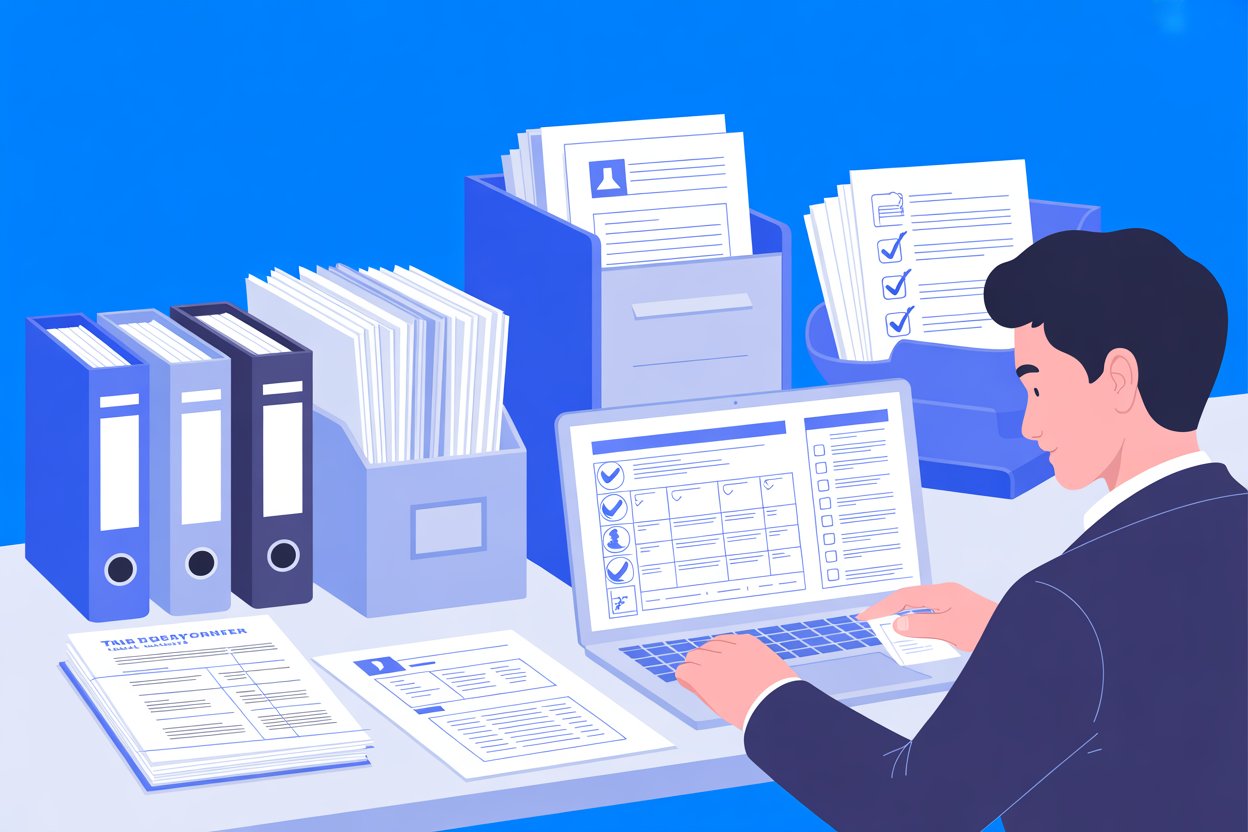
Before growing too large, understand your job contract. Some employers have restrictions on side businesses.
Make sure your business does not create a conflict of interest.
Keep your business separate from your employer. Do not use company resources or time.
Track your income and expenses carefully. Even small side income may be taxable in your country.
It helps to:
- Open a separate bank account for business
- Keep digital records of expenses
- Set aside a percentage for taxes
- Consult a professional if unsure
Registering your business may not be necessary immediately, but as income grows, formal structure becomes important.
Handling legal and tax matters properly protects you long term.
When and How to Quit Your Job Safely
Quitting your job should feel like a strategic decision, not an emotional reaction.
Look for stable income patterns. If your business consistently covers most of your expenses, you are closer to readiness.
Consider these signals:
- Six months of consistent revenue
- Emergency savings in place
- Clear growth plan
- Strong customer base
Talk to trusted mentors or financially wise friends before making the leap.
Plan your exit professionally. Give proper notice and maintain good relationships.
Leaving on good terms keeps doors open. You never know when connections may help in the future.
When the time is right, you will feel prepared, not panicked.
Realistic Timeline, What to Expect in the First Year
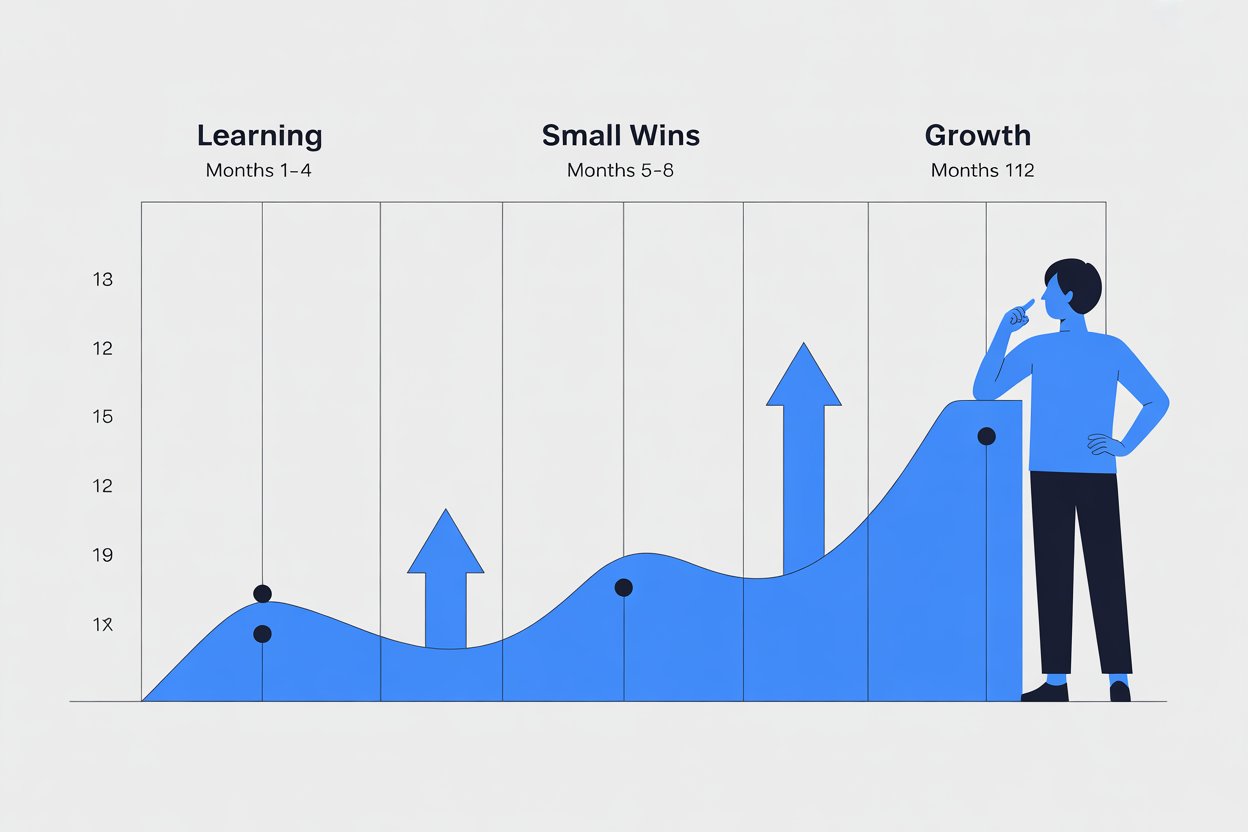
The first three months usually involve learning. You are figuring out tools, understanding your audience, and refining your ideas.
Months four to six may bring small wins. Your first clients, your first sales, your first positive feedback.
Months seven to twelve focus on improvement. You refine marketing, improve offers, and increase confidence.
Growth is rarely linear. Some months will feel slow. Others will surprise you.
Stay consistent during quiet periods. Momentum builds quietly before it becomes visible.
Patience is a competitive advantage. Most people quit too early.
Final Thoughts
Building a thriving online business without losing your day job is not only possible, it is often smarter.
Your job can fund your dreams while reducing financial stress.
Start small, stay consistent, validate ideas, and protect your energy.
You do not need dramatic moves to succeed. You need steady action over time.
If you commit to the process and stay patient, your side business can grow into something strong enough to eventually replace your salary.