
All You Need To Know About Long-Term vs Short-Term Investing
Investing is one of the most important steps toward building financial stability, but not all investing strategies work the same way. Long-term investing focuses on growing wealth steadily over several years or even decades, while short-term investing is designed for quicker financial goals and faster returns within a shorter period.
What Is Long-Term Investing?

Investing can feel confusing at first, especially when people constantly debate whether long-term or short-term investing is better. The truth is that both strategies can work well, depending on your financial goals, risk tolerance, and timeline. Understanding how each approach works can help you make smarter money decisions and avoid costly mistakes later.
Long-term investing focuses on growing your money steadily over many years. Instead of chasing quick profits, long-term investors usually buy assets and hold them through market ups and downs.
This strategy is built around patience, consistency, and compound growth. Many successful investors became wealthy not because they traded constantly, but because they stayed invested for long periods.
How Long-Term Investing Works
Long-term investors usually focus on assets that have strong growth potential over time. They are less concerned about daily market movements and more focused on long-term financial growth.
The goal is to allow investments to appreciate gradually while benefiting from compound returns.
Long-term investing often includes:
- Stocks
- Index funds
- Mutual funds
- Real estate
- Retirement accounts
- Exchange-traded funds
Most long-term investors keep their money invested for several years, sometimes decades.
Why Many Investors Prefer Long-Term Strategies
One thing I noticed while learning about investing is that long-term investing often feels less stressful than constantly trying to predict short-term market movements.
There are several reasons why people choose long-term investing:
- Lower emotional stress
- More time for investments to recover from market drops
- Greater potential for compound growth
- Less frequent trading decisions
- Lower transaction costs in many cases
Patience becomes one of the biggest advantages in long-term investing.
Challenges of Long-Term Investing
Although long-term investing has many benefits, it still comes with challenges. Watching investments drop during market downturns can feel uncomfortable, especially for beginners.
Some common challenges include:
- Market volatility
- Waiting years for large returns
- Emotional reactions during economic downturns
- Inflation concerns
- Temporary financial uncertainty
The key is staying focused on long-term goals instead of short-term market fear.
What Is Short-Term Investing?

Short-term investing focuses on earning returns within a shorter period, usually less than three years. Some investors even hold investments for only weeks or months.
This strategy is often used for temporary financial goals or quick profit opportunities.
Short-term investing usually requires closer attention to market conditions and faster decision-making.
How Short-Term Investing Works
Short-term investors aim to benefit from smaller market movements over shorter periods. They often buy and sell assets more frequently than long-term investors.
Short-term investments are commonly used for:
- Emergency savings goals
- Vacation savings
- Saving for a car
- Temporary cash management
- Quick profit opportunities
Unlike long-term investing, short-term investing often focuses more on timing and market trends.
Popular Short-Term Investment Options
Short-term investors usually prefer investments that are easier to access and less tied to long holding periods.
Common short-term investments include:
- High-yield savings accounts
- Money market accounts
- Treasury bills
- Certificates of deposit
- Short-term bond funds
- Certain stock trades
Liquidity becomes very important for short-term investors because they may need access to funds quickly.
Benefits of Short-Term Investing
Short-term investing can provide flexibility and quicker access to money compared to long-term investing.
Some advantages include:
- Faster access to funds
- Lower long-term commitment
- Potential for quick returns
- Useful for temporary goals
- Easier cash availability
For some people, short-term investing feels more comfortable because they do not like locking money away for many years.
Downsides of Short-Term Investing
Short-term investing may look attractive because of the possibility of quick profits, but it often comes with higher risks and emotional pressure.
Some common disadvantages include:
- Greater market stress
- Frequent monitoring
- Higher emotional decision-making
- Lower compound growth potential
- Possible higher taxes on gains
Trying to predict short-term market movements consistently can be very difficult, even for experienced investors.
Key Differences Between Long-Term and Short-Term Investing

The biggest difference between these strategies is the amount of time investments are held. However, the differences go much deeper than just timing.
Understanding these differences helps you choose the strategy that fits your goals and personality better.
Investment Time Horizon
Long-term investing usually involves holding investments for several years or decades.
Short-term investing often lasts:
- A few days
- Several weeks
- A few months
- Less than three years
Your timeline affects nearly every investment decision you make.
Risk and Market Volatility
Long-term investors usually have more time to recover from market declines. Short-term investors often feel the impact of sudden market changes more quickly.
Short-term investing may involve:
- Faster market reactions
- Higher emotional pressure
- More frequent price swings
- Greater timing risks
Long-term investing tends to smooth out some market volatility over time.
Liquidity and Accessibility
Short-term investments are generally easier to access quickly because investors may need the money sooner.
Long-term investments may prioritize growth over immediate accessibility.
Examples of highly liquid investments include:
- Savings accounts
- Treasury bills
- Money market funds
Liquidity becomes especially important when planning around short-term financial needs.
Level of Involvement Required
Short-term investing often requires more attention and market monitoring.
Long-term investing usually allows investors to focus less on daily price movements.
Short-term investors may spend more time:
- Tracking market trends
- Reading financial news
- Analyzing price changes
- Managing trades regularly
Long-term investors often benefit more from consistency and patience.
Pros and Cons of Long-Term Investing
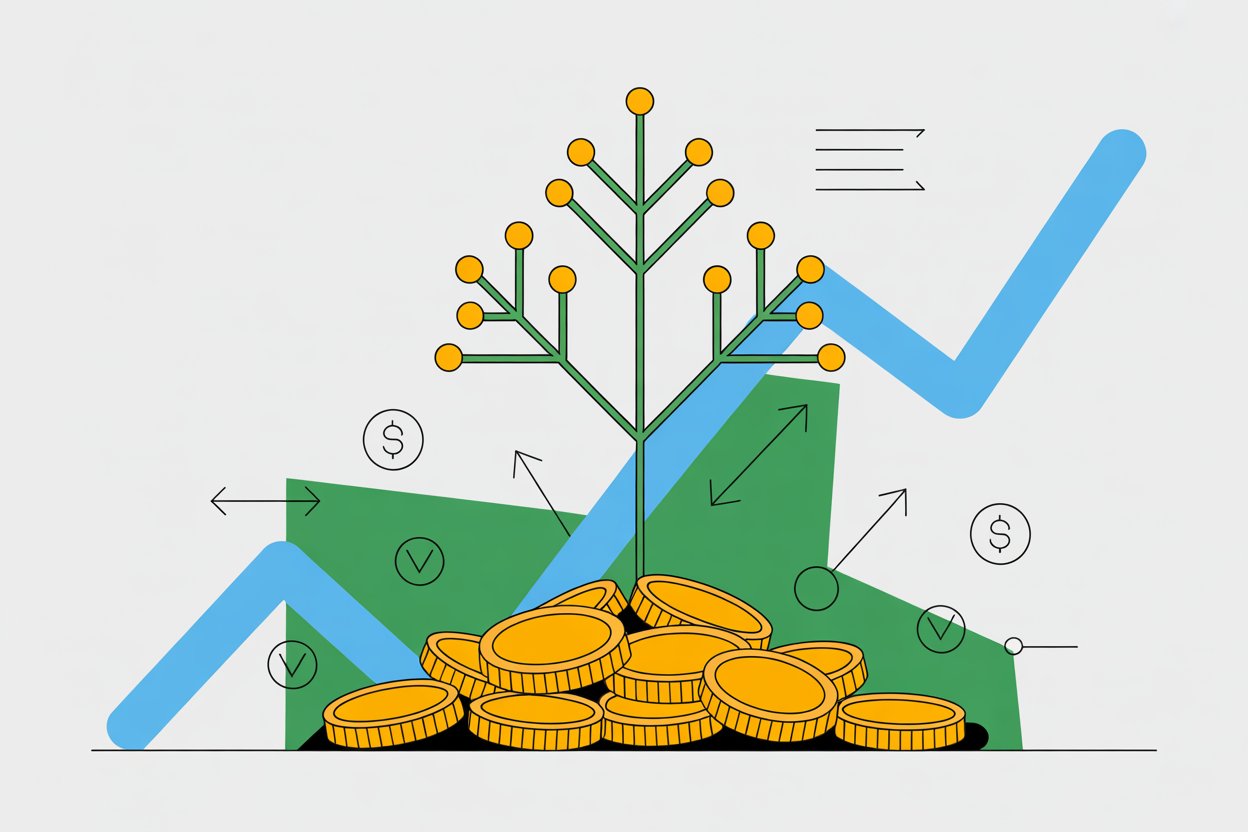
Long-term investing has become one of the most recommended wealth-building strategies for a reason. It allows investors to grow wealth gradually without constantly reacting to every market movement.
Still, no investment strategy is perfect for everyone.
Advantages of Long-Term Investing
Long-term investing offers several powerful benefits that can help create financial stability over time.
Major advantages include:
- Greater compound growth potential
- Reduced emotional trading
- Less frequent market monitoring
- Better historical growth opportunities
- Potential tax advantages in some countries
One of the biggest benefits is allowing time to work in your favor.
Disadvantages of Long-Term Investing
Although long-term investing can be rewarding, it also requires patience and discipline.
Some disadvantages include:
- Limited quick access to profits
- Market downturn anxiety
- Long waiting periods
- Inflation risks over time
- Potential emotional frustration during slow growth periods
Many people struggle with staying invested during difficult market periods.
Who Benefits Most From Long-Term Investing?
Long-term investing often works well for people who have long financial timelines and stable financial goals.
This strategy may be ideal for:
- Retirement planning
- Building generational wealth
- Young investors
- Passive investors
- People seeking long-term financial security
The earlier someone starts, the more powerful compound growth can become.
Pros and Cons of Short-Term Investing
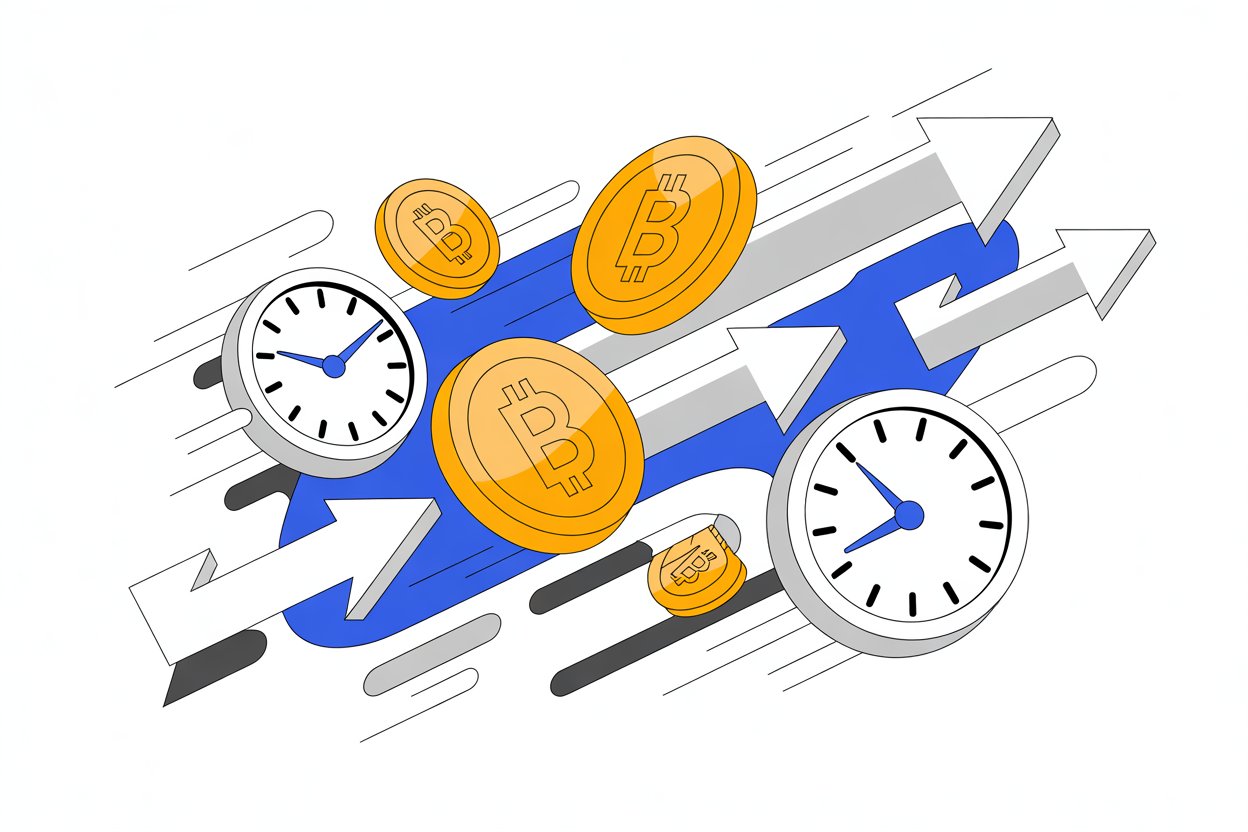
Short-term investing attracts people who prefer flexibility, faster results, or temporary financial planning goals.
While it can offer opportunities for quick gains, it also comes with additional pressure and uncertainty.
Advantages of Short-Term Investing
Some people prefer short-term investing because it provides quicker financial access and more active control.
Benefits include:
- Faster access to money
- Flexibility during emergencies
- Potential short-term profit opportunities
- Easier alignment with temporary goals
- More liquidity
This approach can work well for planned expenses that are coming soon.
Disadvantages of Short-Term Investing
Short-term investing often carries higher emotional and financial risks because markets can change quickly.
Common drawbacks include:
- Increased stress
- Higher trading risks
- Emotional investing mistakes
- Reduced compound growth opportunities
- More unpredictable returns
Quick profits are possible, but quick losses can happen too.
Who Benefits Most From Short-Term Investing?
Short-term investing may work best for people with immediate financial goals or higher comfort with active investing.
This approach may suit:
- Experienced traders
- Investors saving for short-term purchases
- People needing liquidity
- Investors comfortable with higher market activity
Understanding your personal comfort level matters a lot before choosing this strategy.
Best Long-Term Investment Options
Long-term investing works best when you choose investments that have strong growth potential over time. The goal is usually steady wealth accumulation instead of fast profits.
Beginners often do better by starting simple rather than trying to build complicated portfolios immediately.
Stocks and Index Funds
Stocks allow investors to own part of a company. Index funds spread investments across many companies, helping reduce individual company risk.
Many investors prefer index funds because they offer:
- Diversification
- Lower management fees
- Long-term growth potential
- Simpler investing experience
Index funds are especially popular among beginner investors.
Retirement Accounts
Retirement accounts are designed for long-term financial security and often come with tax advantages depending on the country.
These accounts may help investors:
- Build retirement savings gradually
- Reduce taxable income in some cases
- Stay focused on long-term goals
Consistency matters more than starting with large amounts.
Real Estate Investments
Real estate has helped many people build long-term wealth through appreciation and rental income.
Popular real estate investment options include:
- Rental properties
- Real estate investment trusts
- Commercial property investments
- Vacation rentals
Real estate can provide both income and long-term value growth.
Dividend Investments
Dividend investments provide regular payments while still allowing long-term growth potential.
Benefits of dividend investing include:
- Passive income generation
- Long-term portfolio growth
- Reinvestment opportunities
- Potential inflation protection
Some investors use dividends to create additional monthly income over time.
Best Short-Term Investment Options
Short-term investing usually focuses more on safety, liquidity, and easier access to money.
The goal is often preserving money while earning modest returns.
High-Yield Savings Accounts
These accounts usually offer better interest rates than traditional savings accounts while still allowing relatively easy access to funds.
Benefits include:
- Low risk
- Easy accessibility
- Stable returns
- Emergency fund suitability
They are often ideal for short-term savings goals.
Certificates of Deposit
Certificates of deposit allow you to lock money away for a specific period in exchange for fixed interest earnings.
They may work well for:
- Predictable savings goals
- Low-risk investors
- Short-term financial planning
However, withdrawing funds early may result in penalties.
Treasury Bills and Money Market Accounts
Treasury bills are government-backed investments that are generally considered low risk.
Money market accounts also provide relatively safe short-term savings opportunities.
These investments may appeal to people who want:
- Capital protection
- Short-term stability
- Conservative investing options
Safety often becomes more important than aggressive growth in short-term investing.
Risk Factors in Long-Term and Short-Term Investing
Every investment strategy comes with some level of risk. The goal is not avoiding risk completely, but understanding and managing it properly.
Different risks affect long-term and short-term investors differently.
Market Fluctuations
Financial markets naturally rise and fall over time. Short-term investors often feel these movements more immediately.
Market fluctuations may be caused by:
- Economic news
- Inflation changes
- Interest rate increases
- Political uncertainty
- Company performance
Emotional reactions to market volatility can lead to poor decisions.
Inflation Risk
Inflation slowly reduces purchasing power over time. Investments that grow too slowly may fail to keep up with rising living costs.
Long-term investors often focus on assets that historically outpace inflation.
Examples include:
- Stocks
- Real estate
- Dividend investments
Protecting against inflation is important for preserving long-term wealth.
Emotional Investing Mistakes
One thing I learned quickly is that emotions can become an investor’s biggest enemy. Fear and greed often cause people to buy or sell at the wrong times.
Common emotional mistakes include:
- Panic selling during downturns
- Chasing investment trends
- Investing without research
- Overreacting to headlines
Staying calm and consistent usually leads to better long-term decisions.
How to Choose Between Long-Term and Short-Term Investing

Choosing the right investment strategy depends on your personal goals, financial situation, and personality.
There is no universal strategy that works perfectly for everyone.
Understand Your Financial Goals
Your investment timeline should match your financial goals.
Short-term investing may work better for:
- Emergency savings
- Vacation planning
- Upcoming purchases
Long-term investing may fit goals like:
- Retirement
- Wealth building
- Financial independence
The clearer your goals are, the easier investment decisions become.
Assess Your Risk Tolerance
Some people handle market fluctuations calmly, while others feel stressed very quickly.
Ask yourself:
- How would I react if my investments dropped temporarily?
- Do I prefer stability or higher growth potential?
- Am I comfortable waiting years for larger returns?
Understanding your emotional comfort level is very important.
Consider Your Income and Financial Stability
Stable income and emergency savings often make long-term investing easier because you are less likely to need your investments suddenly.
Before investing aggressively, focus on:
- Building emergency savings
- Reducing high-interest debt
- Creating stable monthly cash flow
Strong financial foundations make investing less stressful.
Can You Combine Long-Term and Short-Term Investing?
Many people think they must choose only one investing strategy, but combining both approaches can actually create balance and flexibility.
This is something many experienced investors already do.
Benefits of Combining Both Strategies
Using both strategies allows you to meet immediate financial needs while still building future wealth.
Benefits may include:
- Better financial flexibility
- Improved cash accessibility
- Long-term growth opportunities
- Reduced dependence on one strategy
A balanced approach can help reduce financial stress.
Create Separate Investment Goals
One helpful strategy is separating investments based on timelines.
For example:
- Emergency savings for short-term needs
- Retirement investments for long-term growth
- Travel savings for medium-term goals
This makes it easier to organize finances without mixing priorities.
Build a Balanced Investment Portfolio
A balanced portfolio may include both stable short-term assets and higher-growth long-term investments.
Examples may include:
- Savings accounts
- Index funds
- Dividend stocks
- Real estate investments
- Bonds
Balance helps create both security and growth opportunities.
Final Thoughts
Long-term and short-term investing both have advantages, risks, and different purposes. The best choice depends on your goals, financial stability, and comfort with risk.
Long-term investing often works best for building lasting wealth because it gives investments more time to grow and recover from market downturns. Short-term investing can provide flexibility and support temporary financial goals when managed carefully.
You do not have to become an expert immediately before starting. The most important step is understanding your financial goals and choosing a strategy that fits your lifestyle realistically.
Over time, patience, consistency, and smart financial habits usually matter more than trying to find quick investment shortcuts.