How to Get Your First Online Customers (for Digital Entrepreneurs)
Getting your first online customers is usually the hardest stage of building any digital business. You do not yet have trust, proof, or momentum, so every sale feels like a struggle. But once that first customer comes in, everything changes because confidence, clarity, and direction start to build quickly.
Understand Who Your Ideal Customer Really Is
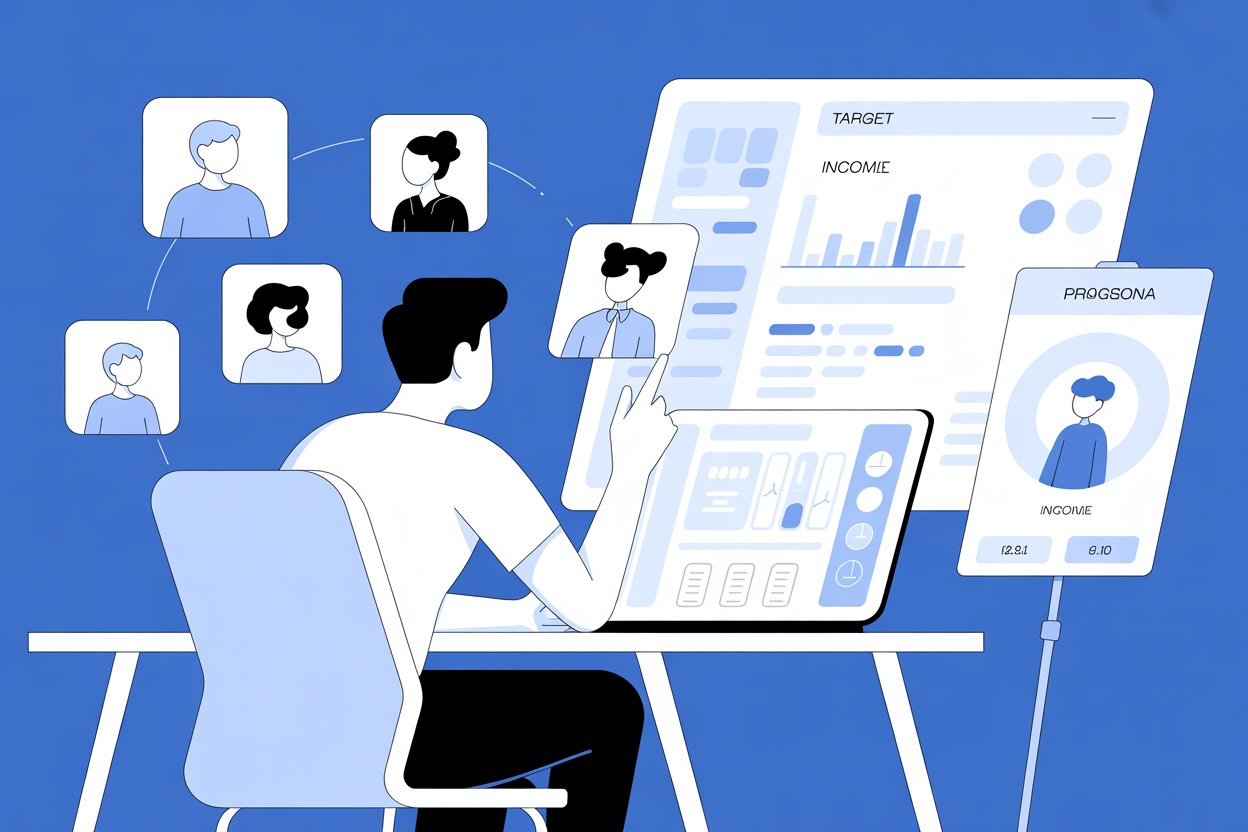
Before trying to sell anything, you need to clearly understand who you are selling to. A lot of beginners skip this and end up confused when nobody responds to their offer. The truth is, unclear targeting leads to unclear results.
Your ideal customer is not “everyone online.” It is a specific group of people who share a problem you can solve.
To define your audience, think about:
- Age range
- Occupation or lifestyle
- Income level
- Daily struggles
- Goals and desires
- Online habits
For example, if you are selling digital templates, your audience could be busy freelancers who want to save time managing tasks. That is much clearer than targeting “anyone who works online.”
When you understand your audience deeply, everything becomes easier. Your content improves, your messaging becomes sharper, and your offers start to feel more relevant.
You also begin to speak their language, which builds trust faster than generic marketing ever will.
Create an Offer People Actually Want
One of the biggest reasons new entrepreneurs struggle to get customers is because they build offers based on assumptions instead of real demand.
A strong offer solves a specific problem in a simple and clear way. If people do not instantly understand why they need it, they will not buy.
A good offer usually includes:
- A clear problem it solves
- A specific result it delivers
- A simple explanation
- A strong benefit
Instead of saying something vague like “digital productivity solution,” you can say “a simple system to help freelancers organize tasks and save 2 hours daily.”
Clarity sells better than complexity.
You should also make sure your offer is easy to understand in under 10 seconds. If someone has to think too hard, they usually lose interest.
A strong offer should feel like a shortcut to a desired outcome.
Build a Simple but Professional Online Presence
Before people buy from you online, they need to trust you. Even if your offer is great, a weak online presence can reduce credibility.
You do not need anything fancy at the beginning. A simple but clean setup works perfectly.
Your basic online presence should include:
- A simple website or landing page
- Clear description of your offer
- Contact or message option
- Consistent branding
- Active social media profile
Your website should explain what you do, who you help, and what result people can expect. Avoid unnecessary complexity.
Social media profiles also matter. A complete profile with a clear bio and profile picture immediately increases trust.
People judge credibility within seconds, so your presentation matters more than most beginners realize.
Even small improvements like better profile pictures or clearer bios can increase conversions significantly.
Use Social Media to Build Trust Before Selling
Social media is not just for posting content, it is for building familiarity and trust before asking for a sale. Many beginners make the mistake of promoting too early without building any connection.
Instead, focus on sharing helpful content consistently.
Good content types include:
- Tips and tutorials
- Problem-solving posts
- Personal experiences
- Educational content
- Simple insights from your niche
When people repeatedly see useful content from you, they begin to trust your knowledge.
Engagement also plays a big role. Replying to comments and messages helps build relationships that can eventually turn into customers.
I’ve seen cases where people did not buy immediately, but after weeks of consistent interaction, they eventually became paying customers simply because trust had built over time.
Social media works best when you focus on value first and sales later.
Start With Friends, Family, and Existing Contacts
Your first customers are often closer than you think. Many entrepreneurs overlook their immediate network, but this group can help you gain early traction.
You are not necessarily asking for charity. You are offering a real solution that they may already need.
You can start by:
- Sharing your offer directly
- Asking for honest feedback
- Offering a small discount for early users
- Requesting referrals
- Providing extra value for first customers
Warm contacts are easier to convert because trust already exists. You just need to communicate your offer clearly.
However, avoid forcing sales. Instead, focus on explaining the value in a natural and helpful way.
Even if they do not buy, they might refer you to someone who will.
Your goal here is not just sales, but also validation and early testimonials.
Use Content Marketing to Attract Organic Traffic
Content marketing is one of the most powerful ways to attract your first customers without spending money on ads. It helps you build authority while also bringing in targeted traffic.
This includes:
- Blogging
- YouTube videos
- Social media posts
- Guides and tutorials
Your content should focus on solving real problems your audience is searching for.
For example, if you sell productivity tools, you can create content like:
- “How to stay organized as a freelancer”
- “Simple systems to manage daily tasks”
- “How to stop wasting time online”
SEO plays an important role here. When you optimize your content properly, it can continue bringing customers long after it is published.
The key is consistency. One piece of content rarely brings massive results, but many pieces combined start building momentum.
Over time, content becomes a silent salesperson working for you 24/7.
Leverage Pinterest for Free Long-Term Traffic
Pinterest is one of the most underrated platforms for getting your first online customers, especially for digital entrepreneurs.
Unlike other platforms, Pinterest content lasts much longer. A single pin can continue bringing traffic for months or even years.
Pinterest works best when you treat it like a search engine.
To use Pinterest effectively:
- Create keyword-optimized pins
- Design simple and clear visuals
- Link pins to landing pages or blogs
- Post consistently over time
- Focus on problem-solving content
Pinterest users are already searching for solutions, which makes them more likely to convert into customers.
For example, someone searching “freelance productivity tips” is already interested in improving their workflow, which makes them a strong potential customer for your digital tools or services.
Pinterest traffic is highly valuable because it is intentional, not random.
Join Online Communities in Your Niche
Online communities are powerful places to find your first customers because people openly discuss their struggles, needs, and frustrations.
Communities include:
- Facebook groups
- Reddit threads
- Quora spaces
- Discord servers
- Niche forums
The key is not to spam links or promote aggressively. That usually pushes people away.
Instead, focus on being helpful first.
You can:
- Answer questions
- Share insights
- Offer advice
- Join discussions
- Provide solutions without selling
Over time, people begin to notice your expertise. This naturally builds trust, and some will eventually check out your profile or offer.
I’ve personally seen this strategy work well when done consistently. People prefer buying from those who have already helped them in some way.
Communities are more about relationship-building than direct selling.
Offer Free Value to Build Trust Quickly
Free value is one of the fastest ways to earn attention and trust as a beginner. People are more willing to try something when they feel there is low risk involved.
You can offer:
- Free guides
- Checklists
- Templates
- Mini-courses
- Free consultations
- Trials or samples
This helps potential customers experience your value before paying.
For example, if you offer a digital service, you can give a small free sample or audit. This builds trust quickly.
Free value also helps reduce hesitation. Many people are unsure at first, so removing that barrier increases conversions.
The goal is not to give everything away, but to show enough value that people feel confident buying from you.
Use Email Marketing From the Beginning
Email marketing is one of the most powerful tools for converting early interest into actual customers.
Unlike social media, email gives you direct access to your audience without algorithm limitations.
You can start by collecting emails through:
- Landing pages
- Free resources
- Sign-up forms
- Lead magnets
Once someone joins your email list, you can build trust through:
- Helpful emails
- Tips and guides
- Personal stories
- Soft promotions
- Product updates
Email allows you to nurture relationships over time. Not everyone buys immediately, but consistent communication increases conversion chances.
A simple welcome sequence can already make a big difference in turning subscribers into paying customers.
Think of email as a long-term relationship builder rather than a one-time sales tool.
Optimize Your Social Proof
Social proof is one of the strongest factors influencing online buying decisions. People trust what others have already tried and approved.
When you are just starting out, you may not have many testimonials yet, but you can still build early proof.
Ways to create social proof:
- Collect feedback from first users
- Share screenshots of results
- Highlight small wins
- Display reviews or messages
- Show progress stories
Even small feedback counts in the beginning. You do not need hundreds of reviews to build trust.
You can also ask early users for testimonials after delivering value. Most satisfied customers are willing to share their experience if asked politely.
Social proof reduces doubt and makes new visitors more confident in your offer.
Learn Basic Copywriting to Improve Sales
Copywriting is simply the art of writing in a way that encourages action. It plays a huge role in getting your first customers online.
Good copy focuses on the customer, not the product.
Instead of saying what your product does, focus on what it helps people achieve.
Strong copy includes:
- Clear headlines
- Emotional triggers
- Simple language
- Benefit-focused messaging
- Strong call-to-action
For example, instead of saying “I offer business templates,” you can say “Save hours every week with simple business templates designed for busy entrepreneurs.”
That version feels more valuable and relatable.
Good copy removes confusion and increases interest. Even small improvements in wording can significantly improve conversion rates.
Use Freelance Platforms Strategically
Freelance platforms are one of the fastest ways to get your first paying customers if you offer services.
Platforms include:
- Fiverr
- Upwork
- PeoplePerHour
- Freelancer.com
These platforms already have buyers searching for solutions, which reduces your marketing effort.
To stand out:
- Create a clear profile
- Use simple service descriptions
- Add portfolio samples
- Start with competitive pricing
- Focus on customer satisfaction
At the beginning, your goal is not high profit, but building experience and credibility.
Once you get your first few clients, you can gradually increase pricing and improve positioning.
Freelance platforms also help you understand real customer needs, which improves your future business ideas.
Collaborate With Small Creators and Brands
Collaboration is a powerful shortcut to reach new audiences and gain early customers.
You do not need big influencers to get results. Small creators often have more engaged audiences.
You can collaborate through:
- Shoutouts
- Guest posts
- Joint webinars
- Content exchanges
- Cross-promotions
The goal is mutual benefit. Both parties gain exposure, so it feels fair and natural.
Collaborations help you build credibility faster because people trust recommendations from creators they already follow.
Even one good collaboration can bring your first wave of customers if done correctly.
Run Small Paid Ads Carefully
Paid ads can help you test your offer quickly, but they should be used carefully in the beginning.
You do not need a big budget. Small tests are enough.
You can promote:
- Landing pages
- Free resources
- Email sign-ups
- Intro offers
The key is to test and learn, not immediately scale.
Watch important metrics like:
- Click-through rate
- Cost per click
- Conversion rate
If ads are not performing well, it may mean your offer or messaging needs improvement.
Ads work best when combined with a strong offer and clear audience targeting.
Think of them as a testing tool first, not just a sales machine.
Focus on Solving Problems, Not Just Selling
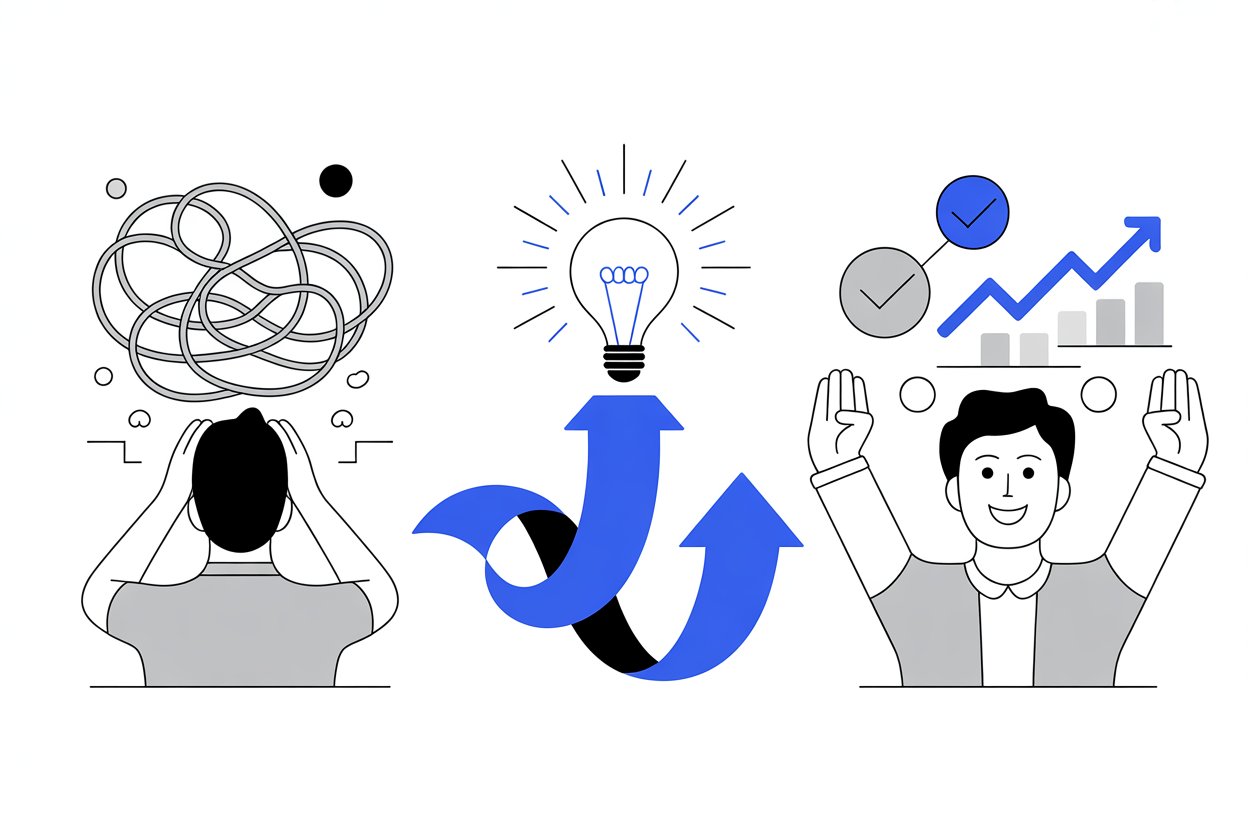
At the core of every successful business is one thing: problem-solving.
People do not buy products, they buy solutions to their problems.
If your focus is only on selling, customers can feel it. But if your focus is on helping, sales happen more naturally.
Always ask:
- What problem am I solving?
- How does this improve my customer’s life?
- Why should they care?
When your mindset shifts from selling to helping, your messaging becomes more effective.
Customers can sense genuine value, and that builds trust faster than aggressive marketing.
Long-term success comes from helping people consistently, not just convincing them once.
Track What Is Actually Working
Tracking results helps you understand where your first customers are coming from.
Without tracking, you are just guessing.
You should monitor:
- Website traffic sources
- Conversion rates
- Social media engagement
- Email sign-ups
- Sales channels
This helps you focus on what actually brings results instead of wasting time on ineffective strategies.
For example, if most customers come from Pinterest, you should invest more effort there.
Data removes emotion from decision-making and helps you grow faster with less confusion.
Even simple tracking can reveal powerful insights about your business.
How to Turn Your First Customers Into Repeat Buyers
Getting your first customer is important, but keeping them is even more valuable.
Repeat customers are easier to convert and often more profitable.
To encourage repeat business:
- Deliver excellent results
- Follow up after purchase
- Offer upgrades or add-ons
- Provide ongoing support
- Ask for feedback
Customers stay loyal when they feel valued and supported.
You can also offer special deals for returning customers. This strengthens relationships and increases lifetime value.
Happy customers often become your best marketing tool through referrals and word-of-mouth.
Final Thoughts
Getting your first online customers is rarely about luck. It is about clarity, consistency, and willingness to show up even when results feel slow.
Every strategy in this guide works, but the real difference comes from action. Many beginners overthink instead of testing and learning in real time.
Start simple, focus on solving real problems, communicate clearly, and build trust step by step.
Once you get those first few customers, everything becomes easier because confidence replaces uncertainty, and momentum begins to grow naturally.