How to Build an Online Brand From Scratch With Pinterest
Pinterest completely changed the way I viewed online branding. Unlike most social platforms where posts disappear quickly, Pinterest content can keep driving traffic for months or even years.
If you use it correctly, Pinterest can help you grow an audience, build authority, increase website traffic, and create a recognizable online brand without needing millions of followers.
Understanding How Pinterest Works

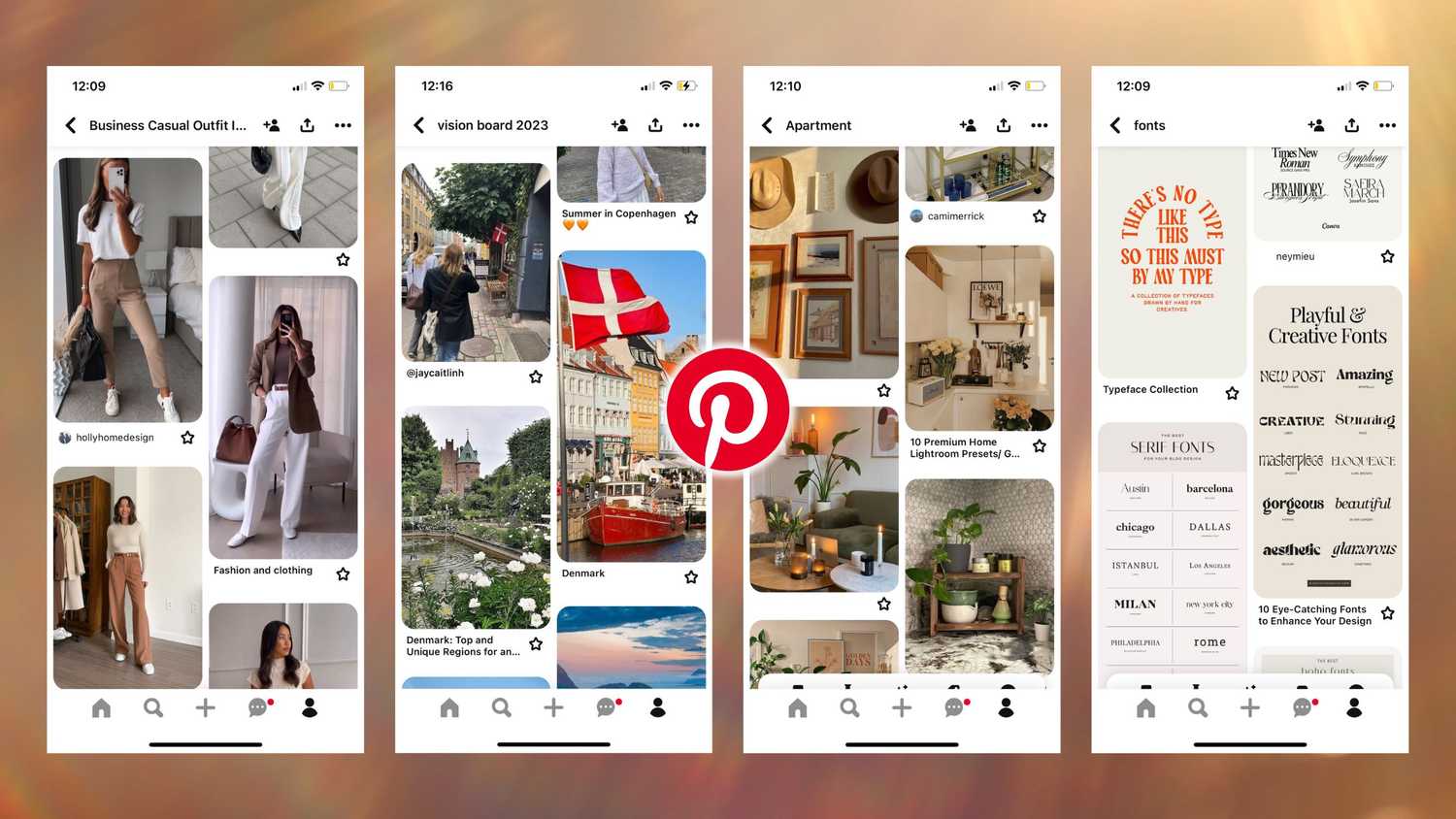
One of the biggest mistakes beginners make is treating Pinterest like Instagram or TikTok. Pinterest works more like a visual search engine than a traditional social media platform.
People come to Pinterest searching for ideas, solutions, inspiration, and products. That means your content has a longer lifespan because users continue discovering pins through search results long after publishing them.
Pinterest mainly focuses on:
- Keywords
- Pin quality
- Relevance
- Engagement
- Fresh content consistency
When I first started using Pinterest seriously, I noticed that old pins kept bringing traffic months later. That rarely happens on most social platforms.
Pinterest users are usually intentional. They are actively searching for things they want to learn, buy, or try. This makes Pinterest especially powerful for growing an online brand organically.
The platform rewards creators who consistently publish useful and visually appealing content. You do not need celebrity status to grow there. Strategy matters more than popularity.
Choose a Clear Brand Niche
Trying to appeal to everybody usually weakens your brand. Pinterest works better when your content focuses on a specific niche or category.
A clear niche helps Pinterest understand your content while also making it easier for users to recognize your brand instantly.
Popular Pinterest-friendly niches include:
- Personal finance
- Fashion
- Home decor
- Fitness
- Food recipes
- Blogging
- Beauty
- DIY projects
- Travel
- Digital marketing
Your niche should combine three important things:
- Your interest or expertise
- Audience demand
- Long-term content potential
I’ve noticed that accounts grow faster when their content feels focused and consistent. Random posting usually confuses both Pinterest and your audience.
For example, if your brand focuses on minimalist home decor, your boards, pins, and content should revolve around that theme consistently.
This creates stronger brand recognition over time.
Define Your Brand Identity

Your brand identity is what makes people recognize your content instantly. It includes your visual style, tone, messaging, and overall personality.
Without clear branding, your Pinterest account can feel forgettable even if the content itself is useful.
Start by choosing:
- Brand colors
- Fonts
- Logo style
- Content tone
- Visual aesthetics
Consistency matters more than perfection. Using the same style repeatedly helps people become familiar with your content.
For example, if your pins always use soft neutral colors and clean typography, people will eventually associate that style with your brand.
Your tone also matters. Some brands sound professional and educational while others feel casual and friendly.
Personally, I think conversational branding works really well on Pinterest because users respond positively to content that feels relatable and easy to understand.
Avoid making your designs overly complicated. Clean visuals usually perform better because Pinterest users scroll quickly.
Create a Professional Pinterest Business Account
A Pinterest business account gives you access to valuable features that personal accounts do not provide.
These include:
- Pinterest Analytics
- Rich Pins
- Advertising tools
- Performance tracking
- Website claiming
Setting up your profile properly also helps establish trust immediately.
Your profile should include:
- A clear profile picture
- Keyword-rich bio
- Website link
- Consistent branding visuals
Your bio should explain what your brand offers while naturally including important keywords related to your niche.
For example:
“Helping bloggers grow traffic with Pinterest marketing tips and content strategies.”
That description clearly explains the niche while improving search visibility.
Make sure your username and display name also align with your brand identity. Consistency across platforms makes your brand easier to recognize online.
Design a Pinterest Profile That Builds Trust

Your profile acts like your online storefront. When people visit your account, they should quickly understand your niche and the value you provide.
A strong Pinterest profile usually feels organized, professional, and visually consistent.
Focus on these areas:
- High-quality profile photo
- Organized boards
- Consistent pin style
- Keyword-optimized descriptions
- Easy-to-read branding
Board organization matters more than many people realize. If your boards look random or cluttered, your account may appear less trustworthy.
For example, a personal finance brand could organize boards like:
- Budgeting Tips
- Passive Income Ideas
- Saving Money Hacks
- Side Hustle Ideas
- Financial Freedom Tips
Clear organization improves both user experience and Pinterest SEO.
I’ve personally clicked away from accounts that looked messy or confusing because it felt harder to trust the content quality.
First impressions matter heavily online, especially on visual platforms like Pinterest.
Understand Your Target Audience on Pinterest
Growing an online brand becomes easier when you deeply understand who your audience is and what they want.
Pinterest users search differently depending on their goals. Some want inspiration while others actively seek products or solutions.
You need to understand:
- What your audience struggles with
- What they search for
- What inspires them
- What problems they want solved
Spend time researching your niche directly on Pinterest. Type keywords into the search bar and observe suggested searches.
These suggestions reveal real user interests.
For example, searching “small bedroom ideas” may reveal suggestions like:
- Small bedroom storage
- Minimalist bedroom ideas
- Cozy bedroom decor
- Bedroom organization hacks
This helps you create content people are already actively searching for.
Audience understanding also improves your future products, blog posts, and marketing strategy.
When your content solves specific problems, your brand naturally becomes more valuable.
Do Pinterest Keyword Research for Brand Growth
Pinterest SEO plays a massive role in brand visibility. Without keywords, even beautiful pins may struggle to get discovered.
Keyword research helps Pinterest understand your content so it can show your pins to the right audience.
Important places to use keywords include:
- Pin titles
- Pin descriptions
- Board names
- Board descriptions
- Profile bio
Pinterest search suggestions are one of the easiest research tools available. They show phrases users commonly search for on the platform.
Focus on keywords with clear intent and relevance to your niche.
Long-tail keywords often work especially well because competition tends to be lower.
For example:
- “Minimalist living room decor ideas”
- “Pinterest marketing tips for bloggers”
- “Easy budget meal prep ideas”
These phrases are more specific and targeted than broad keywords alone.
One thing I learned early is that Pinterest rewards relevance heavily. Your visuals, keywords, and linked content should all align clearly.
Random keyword stuffing usually hurts performance instead of helping it.
Create Boards That Match Your Brand
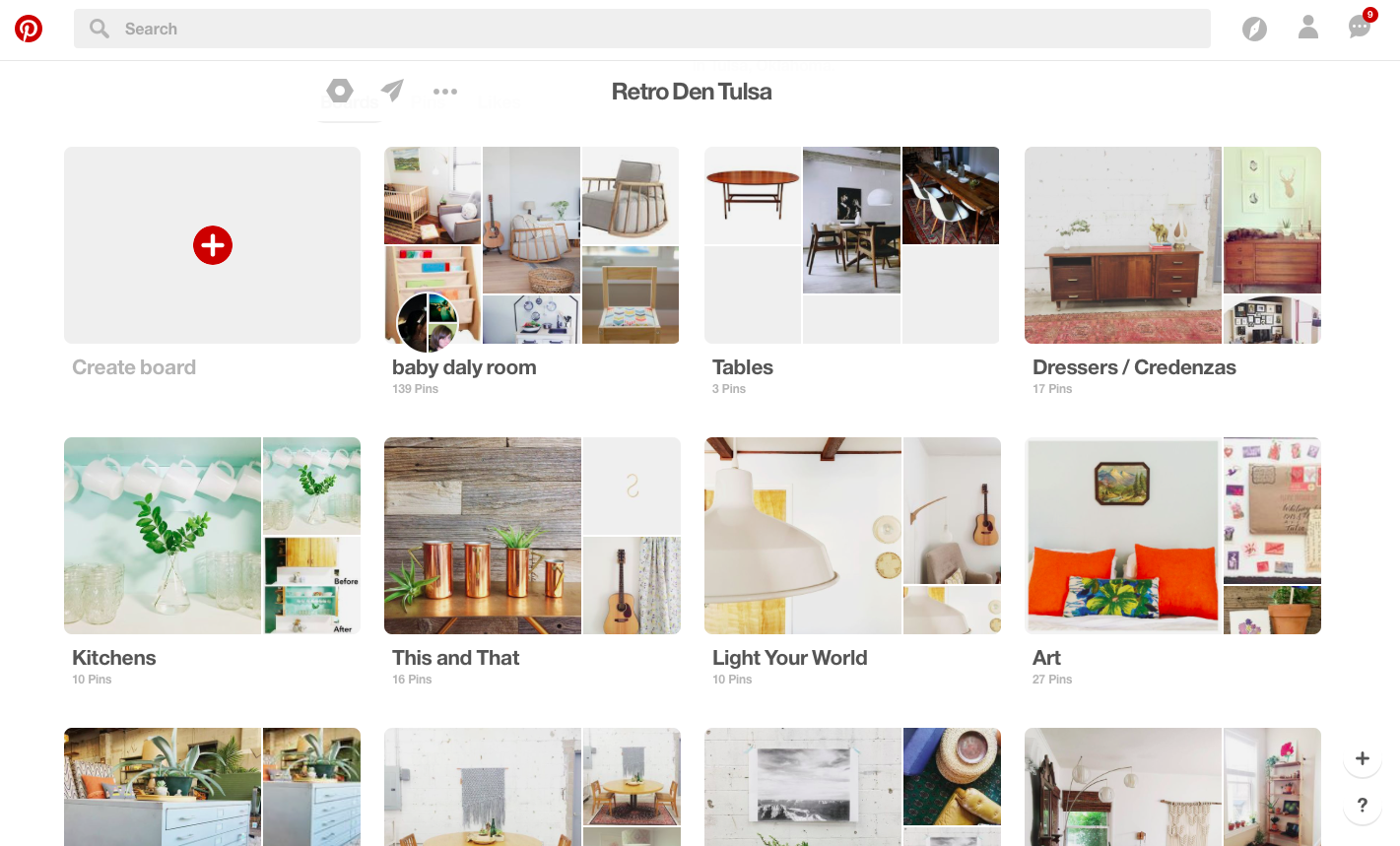
Boards help organize your content while also strengthening your niche authority.
Every board should support your overall brand identity instead of feeling disconnected.
Create boards around topics your audience genuinely cares about.
Examples include:
- Content marketing tips
- Healthy meal ideas
- Capsule wardrobe inspiration
- Home office setup ideas
- Passive income strategies
Board names should remain clear and searchable. Avoid vague titles that give Pinterest little context.
Descriptions matter too. Adding natural keywords improves visibility while helping users understand the board’s focus.
I recommend creating a balanced mix of broad and specific boards. Broad boards attract larger audiences while niche-specific boards target highly interested users.
Consistent board themes also make your profile feel more professional and intentional.
Develop a Consistent Pinterest Content Strategy
Consistency matters heavily on Pinterest. Random posting schedules usually produce inconsistent results.
You need a content strategy that keeps your brand active and visible over time.
A balanced Pinterest strategy usually includes:
- Educational content
- Inspirational content
- Problem-solving content
- Promotional content
Educational pins often perform well because users come to Pinterest looking for answers and ideas.
For example:
- “How to save money fast”
- “Best outfit ideas for summer”
- “Beginner blogging tips”
Planning content ahead of time helps reduce stress while improving consistency.
I personally prefer batching content because it saves time and keeps branding more consistent across pins.
You also want to maintain a healthy balance between value and promotion. Constant selling can make your content feel less engaging.
Helpful content builds trust first, then conversions become easier later.
Design High-Quality Pins That Attract Clicks
Pinterest is extremely visual, which means design quality matters a lot. Even valuable content can get ignored if the design looks weak.
Good Pinterest pins usually include:
- Clear readable text
- Strong images
- Clean layouts
- Consistent branding
- Attention-grabbing headlines
Vertical pins tend to perform best because they take up more screen space during scrolling.
Readable fonts are incredibly important. Many users scroll quickly on mobile devices, so tiny text becomes ineffective.
I’ve tested different designs before, and simpler layouts often performed better than overly crowded graphics.
Strong pin titles also increase clicks significantly.
Examples:
- “10 Easy Budgeting Tips for Beginners”
- “Simple Living Room Ideas for Small Apartments”
- “How to Grow Blog Traffic With Pinterest”
Your design should instantly communicate the value of the content.
Avoid excessive clutter because clean visuals usually stand out more effectively.
Write Pinterest Titles and Descriptions That Rank
Pinterest titles and descriptions influence both search visibility and click-through rates.
Your title should include important keywords naturally while still sounding engaging to human readers.
Good titles usually feel:
- Clear
- Specific
- Helpful
- Easy to understand
Descriptions give Pinterest additional context about your content. Use them to explain what users will gain after clicking.
Avoid robotic keyword stuffing. Natural writing performs better because Pinterest increasingly prioritizes relevance and user experience.
A strong description might include:
- Main topic keyword
- Supporting keywords
- Clear value statement
- Call-to-action
For example:
“Learn practical Pinterest marketing strategies that help bloggers grow traffic, increase brand visibility, and build long-term online income.”
That description sounds natural while still supporting SEO.
Well-optimized descriptions improve discoverability over time, especially for evergreen content.
Use Pinterest SEO to Increase Brand Visibility
Pinterest SEO is one of the most underrated traffic strategies online. When optimized correctly, Pinterest can continuously drive visitors to your content for months.
SEO on Pinterest mainly focuses on relevance and consistency.
You should optimize:
- Profile content
- Boards
- Pin titles
- Pin descriptions
- Image file names
- Linked content
Pinterest analyzes all these signals together to understand your niche and audience.
Consistency across your account helps strengthen authority in your category.
For example, if your account constantly posts budgeting, saving, and investing content, Pinterest begins associating your brand with personal finance topics.
That improves future content visibility within the same niche.
I’ve noticed that accounts with focused SEO strategies often experience steady long-term growth instead of random traffic spikes.
Pinterest rewards patience and consistency more than quick viral tactics.
Create Fresh Pins Consistently
Pinterest strongly favors fresh content. This does not mean creating entirely new blog posts every day.
Instead, you can create multiple pin designs for the same piece of content.
For example, one blog post can have:
- Different headlines
- Different images
- Different layouts
- Different color schemes
Fresh pins increase your chances of reaching different audience segments while keeping your account active.
Consistency matters more than massive posting volume.
A realistic posting schedule is easier to maintain long-term than aggressive daily posting that eventually leads to burnout.
I learned that steady consistency usually beats short bursts of extreme activity on Pinterest.
The platform rewards creators who continue showing up consistently over time.
Drive Traffic From Pinterest to Your Website

Pinterest becomes especially powerful when used as a traffic source for your website or blog.
Every pin should lead somewhere valuable.
Popular destinations include:
- Blog posts
- Product pages
- Email sign-up pages
- Landing pages
- Online stores
The key is matching the pin content with the landing page experience.
If someone clicks a pin about budgeting tips, the linked page should immediately deliver budgeting-related value.
Misleading pins damage trust quickly and reduce long-term engagement.
Pinterest traffic often converts well because users intentionally search for topics they already care about.
That makes Pinterest visitors more targeted than random social media traffic in many cases.
A well-optimized Pinterest strategy can continue bringing visitors long after the original pin was published.
Build Brand Authority With Valuable Content
Authority grows when people consistently see your brand providing useful information.
The easiest way to build trust on Pinterest is teaching people something genuinely helpful.
Focus on solving problems instead of only chasing clicks.
Helpful content ideas include:
- Tutorials
- Guides
- Checklists
- Tips
- Step-by-step instructions
- Educational blog posts
Value-driven content encourages saves, shares, and repeat visitors.
People naturally trust brands that consistently help them improve something in their lives.
One thing I appreciate about Pinterest is that useful content tends to outperform empty entertainment over time.
Your audience may forget viral trends quickly, but practical solutions remain valuable much longer.
Building authority takes patience, but it creates stronger long-term brand growth.
Use Pinterest Analytics to Track Growth
Pinterest Analytics helps you understand what content performs best so you can improve your strategy over time.
Important metrics include:
- Impressions
- Saves
- Outbound clicks
- Engagement rate
- Audience growth
Outbound clicks matter especially because they show how effectively pins drive traffic to your website.
High impressions with low clicks may indicate weak pin designs or unclear messaging.
Analytics also reveal which topics resonate most with your audience.
I’ve adjusted content strategies many times based on Pinterest data. Sometimes the content you expect to perform well ends up underperforming while simpler ideas unexpectedly gain traction.
Tracking performance helps you make smarter decisions instead of guessing.
The more data you gather, the easier it becomes to refine your brand strategy.
Grow Your Email List Using Pinterest
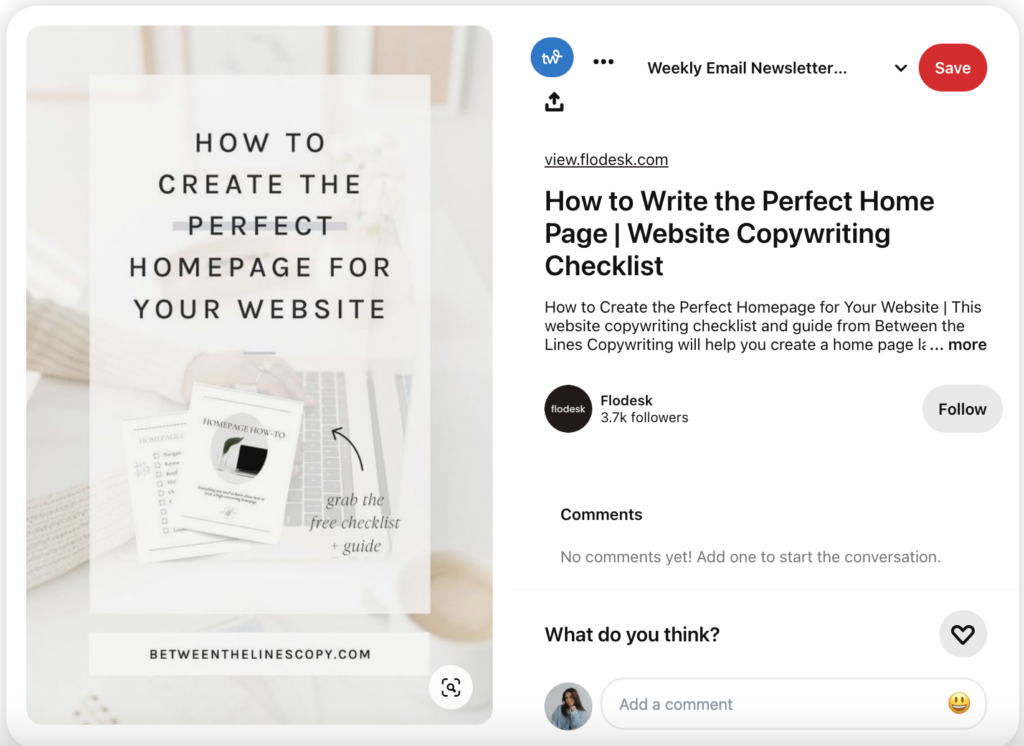
One of the smartest ways to use Pinterest traffic is growing your email list.
Unlike social media followers, email subscribers give you direct communication access without depending entirely on algorithms.
Pinterest works especially well for promoting lead magnets such as:
- Free checklists
- Ebooks
- Templates
- Guides
- Printables
- Resource libraries
Your pin should clearly explain the benefit users receive after signing up.
For example:
- “Free Monthly Budget Planner”
- “Pinterest Growth Checklist”
- “30 Blog Post Ideas for Beginners”
Simple landing pages usually convert better because they remove distractions.
I’ve noticed that Pinterest users often respond positively to highly practical freebies that solve immediate problems.
Building an email list also strengthens your brand long-term because you maintain audience relationships outside the platform itself.
Monetize Your Pinterest Brand
Once your Pinterest brand grows, multiple monetization opportunities become available.
Popular monetization methods include:
- Affiliate marketing
- Selling digital products
- Sponsored content
- Coaching services
- Physical products
- Online courses
Pinterest works especially well for visual products and educational content.
Affiliate marketing can become highly effective when you recommend genuinely useful products related to your niche.
For example, a home decor brand could promote furniture or organization tools while a blogging brand promotes hosting platforms or design resources.
The key is maintaining trust. Aggressive promotion without value usually weakens audience loyalty.
Monetization becomes easier when your brand already has authority and consistent traffic.
That is why focusing on value first usually produces stronger long-term results.
Final Thoughts
Pinterest remains one of the most underrated platforms for building an online brand from scratch. Unlike fast-moving social platforms, Pinterest content can continue generating traffic, leads, and visibility for a very long time.
The biggest lesson I’ve learned is that consistency matters more than perfection. You do not need flawless designs or massive followers to grow successfully on Pinterest.
Focus on creating valuable content, understanding your audience, improving your SEO, and maintaining consistent branding across your account.
Over time, those small consistent efforts can turn Pinterest into one of your strongest sources of long-term online growth.