15 Simple Ways to Save Money Without Feeling Deprived
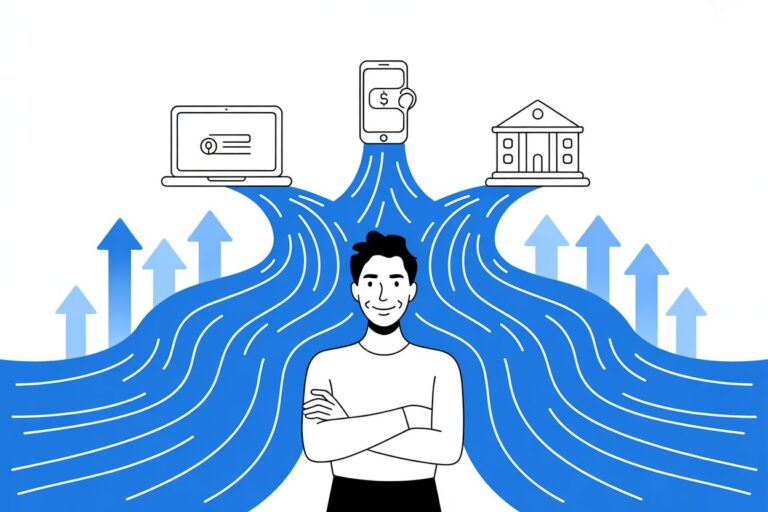
Saving money used to feel like punishment to me. I thought it meant giving up everything I enjoyed. Over time, I realized you can save money without feeling deprived, you just need smarter habits, not stricter ones.
1. Start With Small, Invisible Changes
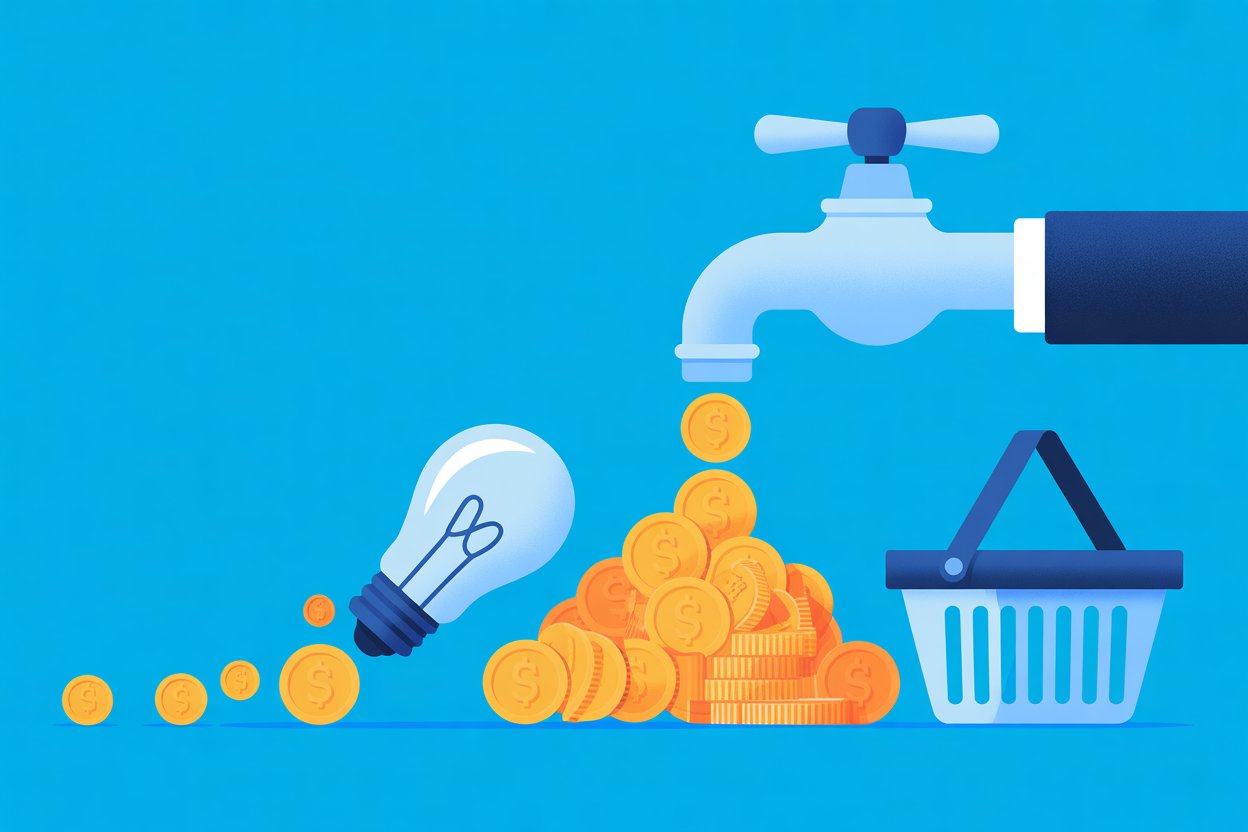
When I first tried saving, I made big changes that felt uncomfortable. I quickly gave up because it felt like I was forcing myself to live differently overnight.
Small changes work better because they feel natural. You barely notice them, but over time, they create real results.
Things like choosing cheaper alternatives or adjusting daily habits can add up without affecting your lifestyle.
The goal is to make saving feel effortless instead of restrictive.
Examples of small changes include:
- Choosing generic brands instead of premium ones
- Reducing frequent small purchases
- Using less electricity and water
- Walking short distances instead of paying for transport
2. Automate Your Savings Before You Spend
One of the easiest ways I started saving was by removing the decision completely. Automation changed everything because it made saving happen without effort.
When money moves to savings before you touch it, you adjust your spending naturally. You stop thinking of saving as optional.
It also removes temptation. You are less likely to spend what you never see.
Over time, this habit builds strong consistency without stress.
Simple ways to automate savings include:
- Setting up automatic bank transfers
- Saving a fixed percentage of income
- Using separate savings accounts
- Increasing savings gradually over time
3. Cut Expenses That Don’t Add Real Value
Not every expense is worth keeping. I realized some things I was paying for did not actually improve my life.
Cutting these expenses felt easy because I did not miss them. The key is identifying what truly matters to you.
This approach makes saving feel natural instead of forced.
It allows you to keep what you enjoy while removing waste.
4. Use the 24-Hour Rule for Non-Essential Purchases

Impulse spending used to be one of my biggest problems. I would buy things quickly and regret them later.
Using the 24-hour rule changed that. Waiting before buying gave me time to think clearly.
Most of the time, the urge disappeared. If it did not, I felt more confident about the purchase.
This simple habit reduces unnecessary spending without making you feel restricted.
How to apply the 24-hour rule:
- Pause before buying non-essential items
- Revisit the decision the next day
- Ask if it still feels necessary
- Avoid emotional purchases
5. Swap Expensive Habits With Cheaper Alternatives
Saving does not mean removing enjoyment. It means finding smarter ways to enjoy the same things.
I started replacing expensive habits with cheaper options that still felt satisfying.
This helped me save without feeling like I was missing out.
Over time, these swaps became my new normal.
6. Plan Your Spending in Advance
Unplanned spending often leads to overspending. I noticed that when I did not plan, I made random decisions that added up quickly.
Planning gives you control. It helps you decide where your money should go before it disappears.
Even a simple plan makes a difference.
It reduces stress and improves confidence in your financial decisions.
Benefits of planning spending include:
- Better control over money
- Reduced impulse purchases
- Clear priorities
- Less financial stress
7. Focus on Value, Not Just Price
At one point, I tried to save by always choosing the cheapest option. I realized later that cheap is not always better.
Focusing on value means spending on things that last longer or serve you better.
This approach reduces waste and saves money in the long run.
It also helps you feel satisfied with your purchases.
8. Limit Subscription and Recurring Costs
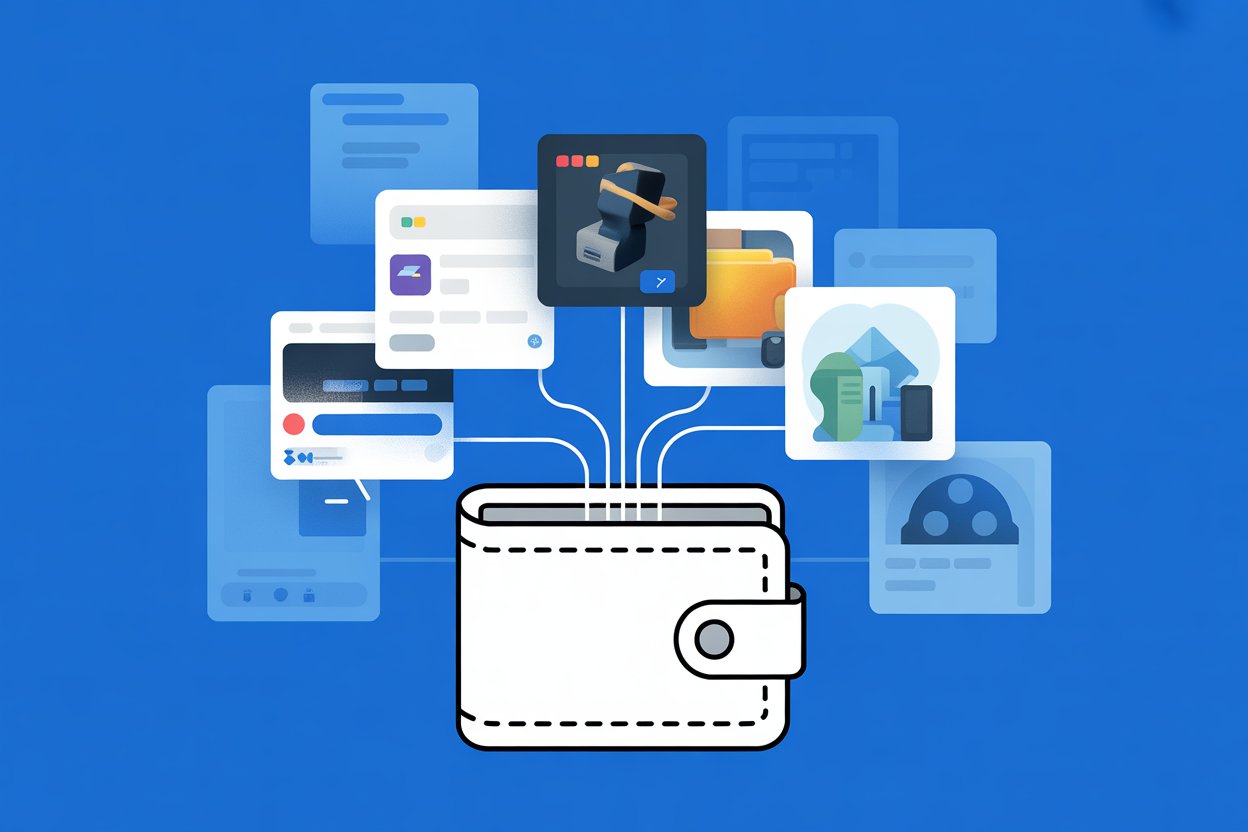
Subscriptions can quietly drain your money. I did not notice how much I was spending until I reviewed them.
Canceling unused subscriptions felt easy because I was not benefiting from them.
Even reducing a few recurring costs can free up money quickly.
This is one of the simplest ways to save without changing your lifestyle much.
Steps to manage subscriptions include:
- Reviewing all active subscriptions
- Canceling unused services
- Downgrading plans where possible
- Avoiding adding new subscriptions unnecessarily
9. Make Saving a Habit, Not a Decision
Saving becomes easier when it is automatic. When it is a habit, you do not have to think about it every time.
I stopped relying on motivation and focused on consistency instead.
Small, repeated actions built strong results over time.
This mindset shift made saving feel natural.
10. Take Advantage of Discounts and Smart Deals
Saving money does not always mean spending less, it can also mean spending smarter.
I learned to look for discounts without buying things I did not need.
Deals are useful when they match your needs, not when they create new spending.
Being intentional helps you benefit without overspending.
Smart ways to use discounts include:
- Buying essentials during sales
- Comparing prices before purchasing
- Using coupons or offers
- Avoiding unnecessary deals
11. Cook More Meals at Home Without Feeling Restricted
Eating out often can be expensive. I reduced this by cooking more at home, but I did it in a way that still felt enjoyable.
Simple meals and planning made cooking easier.
I also allowed occasional eating out so it did not feel like a restriction.
Balance made this habit sustainable.
12. Set Clear Savings Goals That Motivate You
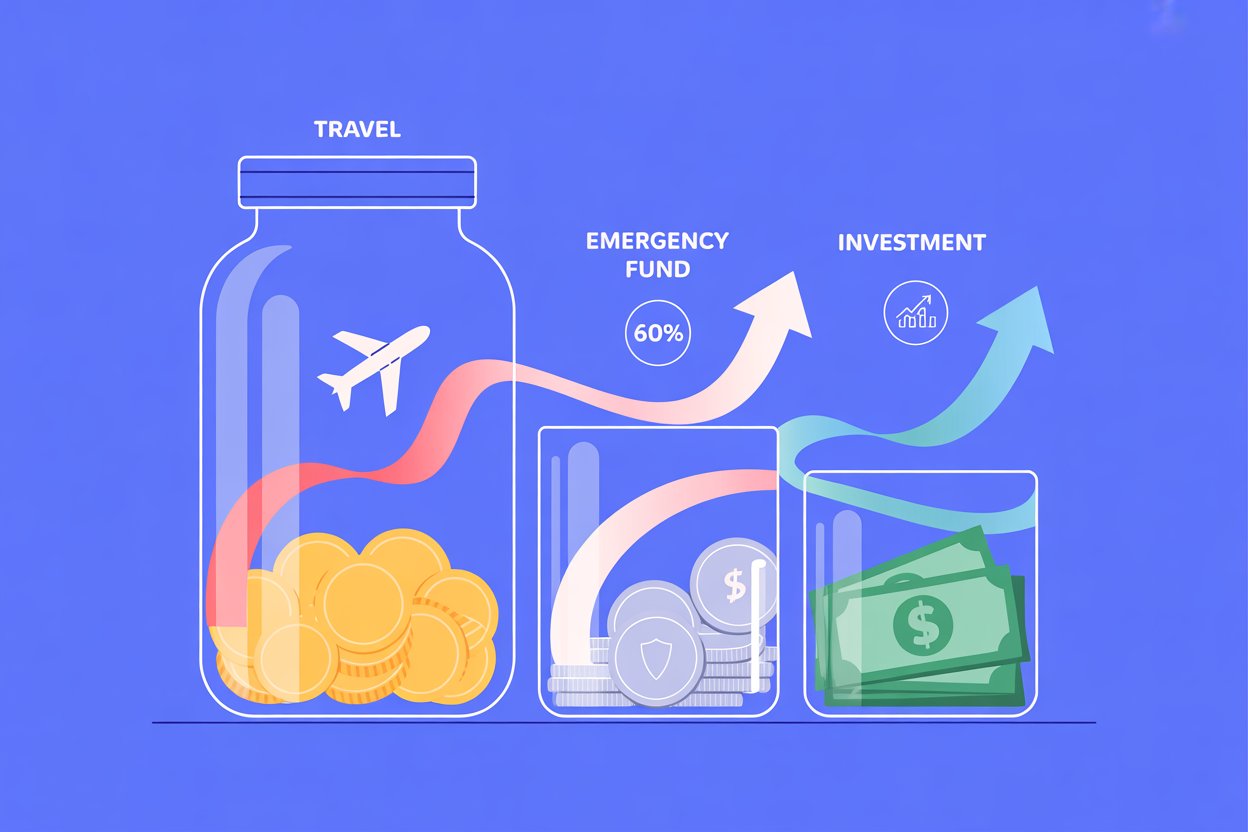
Saving feels easier when you have a reason. Without goals, it can feel pointless.
I started saving with specific goals, and it made a big difference.
Goals create motivation and direction.
They also make progress more visible and rewarding.
Examples of savings goals include:
- Emergency fund
- Travel plans
- Paying off debt
- Future investments
13. Keep Some “Fun Money” in Your Budget
Cutting out all enjoyment makes saving feel difficult. I learned to include a small amount for things I enjoy.
This balance keeps you motivated.
It prevents burnout and helps you stick to your plan.
Saving should support your life, not remove all enjoyment.
14. Track Progress Without Obsessing Over Every Expense
Tracking progress helps you stay aware without feeling stressed. I avoided tracking every small detail and focused on overall trends.
Seeing progress, even small, kept me motivated.
It also helped me adjust when needed.
Simple tracking works better than complicated systems.
Easy ways to track progress include:
- Checking savings growth monthly
- Reviewing spending patterns
- Setting simple targets
- Celebrating small wins
15. Surround Yourself With Smarter Money Habits
Your environment influences your decisions. Being around people with good money habits helped me improve mine.
You do not need to copy others, but you can learn from them.
Positive influence makes it easier to stay consistent.
It also keeps you motivated during slow progress.
Final Thoughts on Saving Money Without Sacrifice
Saving money does not have to feel difficult. The key is finding balance and building habits that fit your lifestyle.
From my experience, small changes create lasting results. Focus on what works for you and stay consistent.
Over time, saving becomes easier, and your financial situation improves without feeling deprived.