13 Budgeting Tips That Actually Work for Low Income Earners
Budgeting on a low income can feel frustrating, especially when it seems like there is barely enough to cover basic needs. I have been there, and I learned that small, consistent changes can still create real financial progress over time.
1. Start With a Simple, Realistic Budget
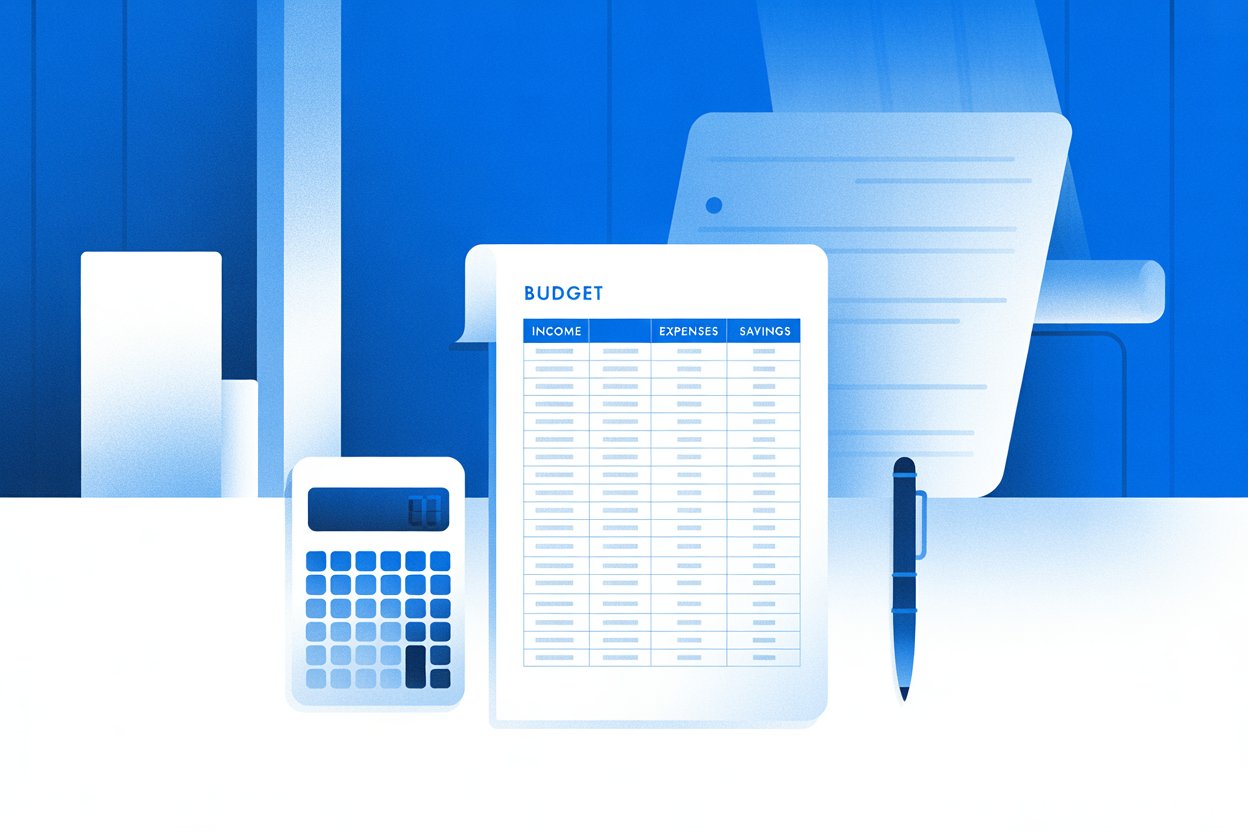
When I first tried budgeting, I made it too complicated. I tracked everything perfectly for a few days, then gave up because it felt exhausting and unrealistic.
A simple budget works better because it is easier to follow. You only need to know how much comes in, what must go out, and what remains.
The goal is not perfection, it is consistency. A basic plan that you stick to will always outperform a perfect plan you abandon.
Start with your essentials, then adjust as you learn what works for your lifestyle.
A simple budget should include:
- Total monthly income
- Essential expenses like rent and food
- Flexible spending categories
- A small savings portion
2. Track Every Expense Without Overwhelming Yourself
Tracking expenses helps you understand where your money goes. I was surprised how small daily spending added up when I finally paid attention.
You do not need complex apps or systems. Writing down expenses or checking your account daily is enough to build awareness.
The key is consistency, not detail. Focus on patterns rather than trying to record every small amount perfectly.
Once you see where your money goes, making adjustments becomes much easier.
3. Prioritize Needs Before Wants Every Time
When money is limited, priorities matter more than ever. I had to learn the difference between what I needed and what I simply wanted.
Needs are essential for survival and stability, while wants can be delayed or reduced.
Making this distinction helps you make better decisions daily. It removes guilt and replaces it with clarity.
Over time, prioritizing needs builds a stronger financial foundation.
Examples of needs vs wants include:
- Needs, rent, utilities, basic food
- Wants, takeout, subscriptions, impulse buys
- Needs, transportation for work
- Wants, luxury upgrades
4. Use the “Pay Yourself First” Method
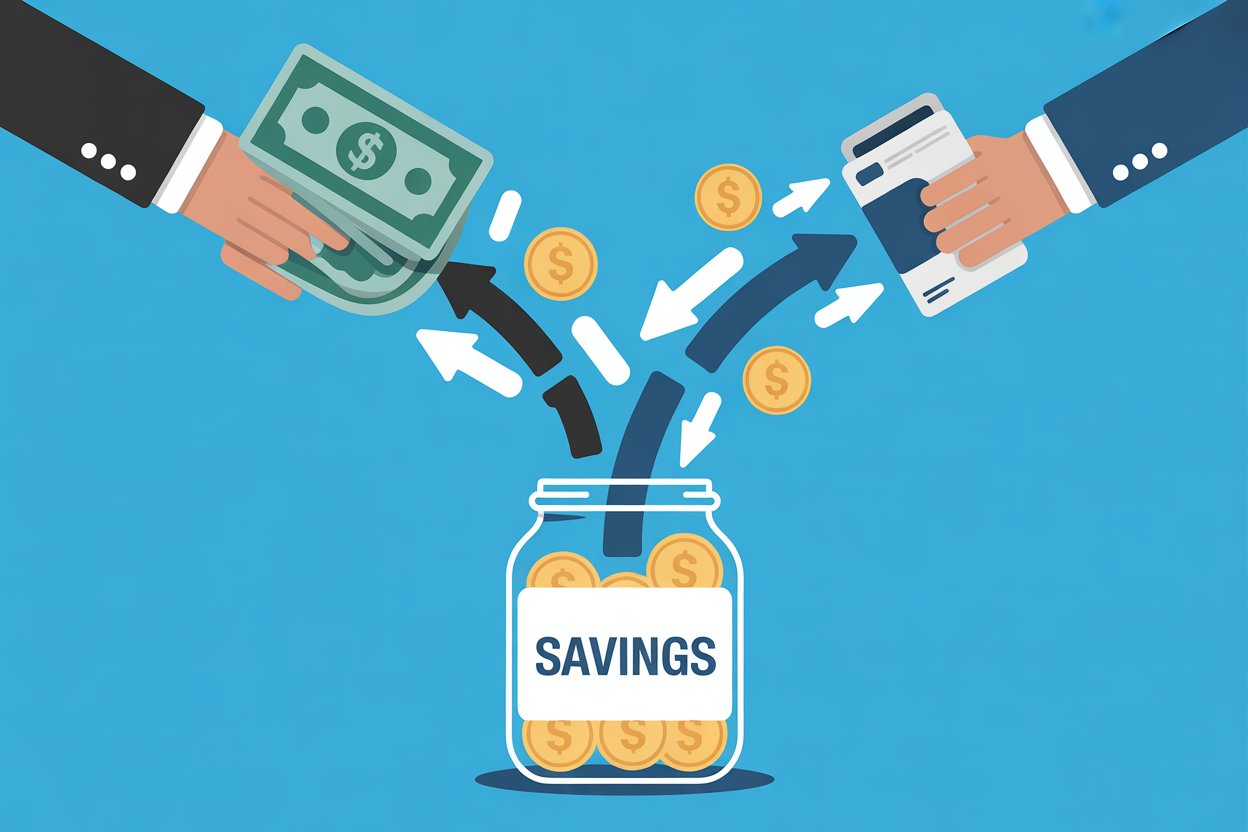
Saving money on a low income feels difficult, but it is still possible. Paying yourself first helped me build savings without overthinking it.
Instead of waiting to save what is left, you set aside a small amount immediately. Even tiny amounts make a difference over time.
This method creates discipline and turns saving into a habit.
It also changes how you see money. Saving becomes part of your routine, not an optional step.
Ways to apply this method include:
- Saving a fixed small percentage
- Transferring money immediately after income arrives
- Using a separate savings account
- Increasing savings gradually
5. Cut Fixed Expenses Before Cutting Small Luxuries
At first, I focused on cutting small things like snacks. It helped a little, but the real difference came from reducing bigger expenses.
Fixed costs like rent, subscriptions, and bills take a large portion of income. Adjusting them creates long-term savings.
Even small changes in fixed expenses add up over time.
This approach reduces pressure because you do not have to constantly restrict yourself daily.
6. Plan Your Spending Weekly Instead of Monthly
Monthly budgets can feel overwhelming, especially when income is tight. Breaking your budget into weekly plans makes it easier to manage.
I found that weekly planning gave me better control. It helped me adjust quickly instead of waiting until the end of the month.
Smaller time frames make budgeting feel more manageable.
You can correct mistakes early instead of dealing with bigger problems later.
Benefits of weekly budgeting include:
- Better control over spending
- Easier adjustments
- Reduced stress
- More awareness of habits
7. Build an Emergency Fund Slowly but Consistently
Emergency savings are even more important on a low income. Unexpected expenses can quickly create financial stress.
I started small, saving tiny amounts regularly. Over time, it grew into something meaningful.
The goal is not speed, it is consistency. Even small savings create a safety net.
Having an emergency fund reduces reliance on debt and improves peace of mind.
8. Avoid Debt Traps and High-Interest Loans
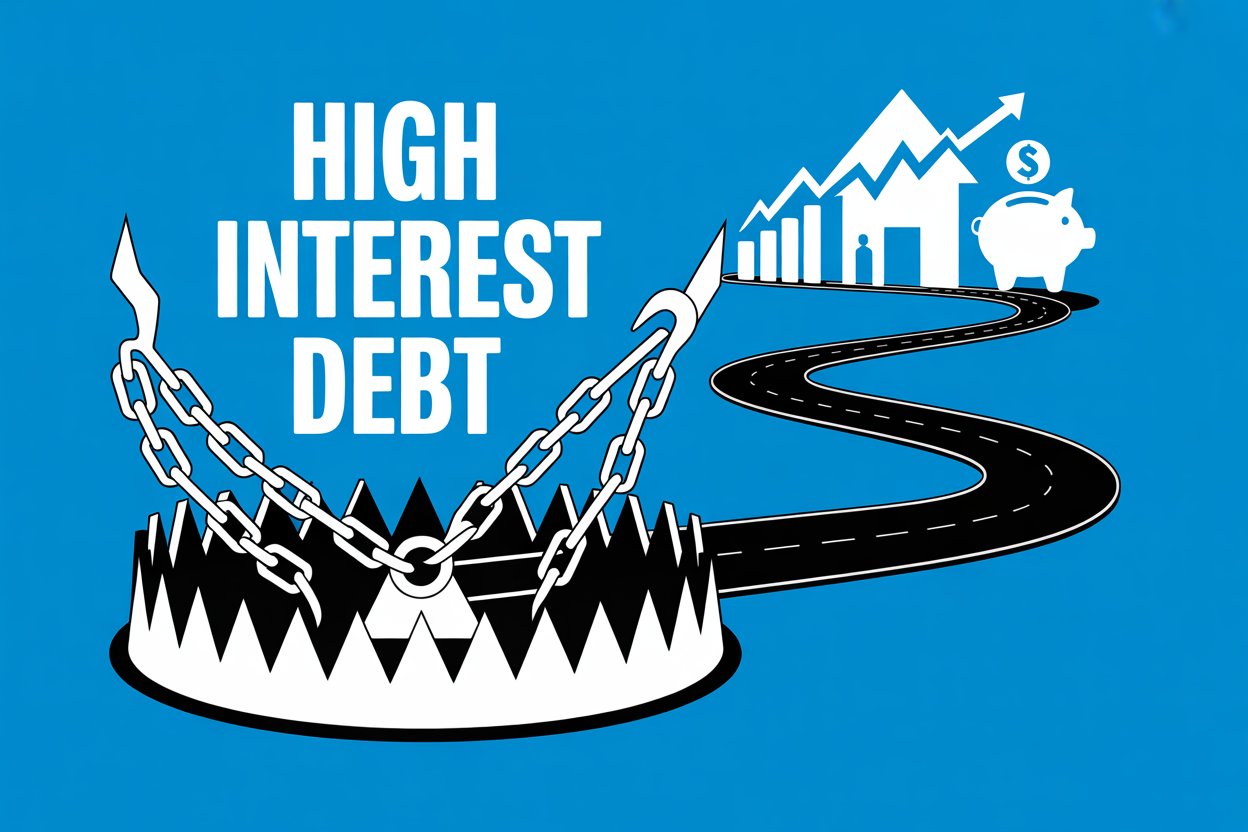
Debt can feel like a quick solution, but it often creates bigger problems. High-interest loans are especially dangerous on a low income.
I learned to avoid borrowing for non-essential needs. It saved me from long-term financial pressure.
If borrowing is necessary, it should be done carefully and with a clear repayment plan.
Ways to avoid debt traps include:
- Avoiding payday loans
- Limiting credit use
- Borrowing only for essentials
- Planning repayments in advance
9. Use Cash or Debit to Control Spending
Using cash or debit made me more aware of my spending. It feels different when you see money leaving your hand.
This method reduces impulse purchases. You are less likely to overspend when your resources feel limited.
It also helps you stay within your budget naturally.
Over time, this habit improves financial discipline.
10. Take Advantage of Discounts, Deals, and Bulk Buying
Saving money is not only about cutting expenses, it is also about spending smarter. Discounts and deals can reduce everyday costs.
I learned to plan purchases and look for value instead of convenience.
Bulk buying works well for essentials, but only when it makes sense.
Smart saving strategies include:
- Buying during sales
- Using discount offers
- Purchasing essentials in bulk
- Avoiding unnecessary purchases
11. Increase Income With Small Side Opportunities
Budgeting alone may not always be enough. Increasing income, even slightly, can make a big difference.
I started with small side opportunities, and they helped ease financial pressure.
Extra income allows more flexibility and faster progress.
It also reduces reliance on strict budgeting.
Examples of side opportunities include:
- Freelance work
- Selling unused items
- Online services
- Small local jobs
12. Review and Adjust Your Budget Regularly
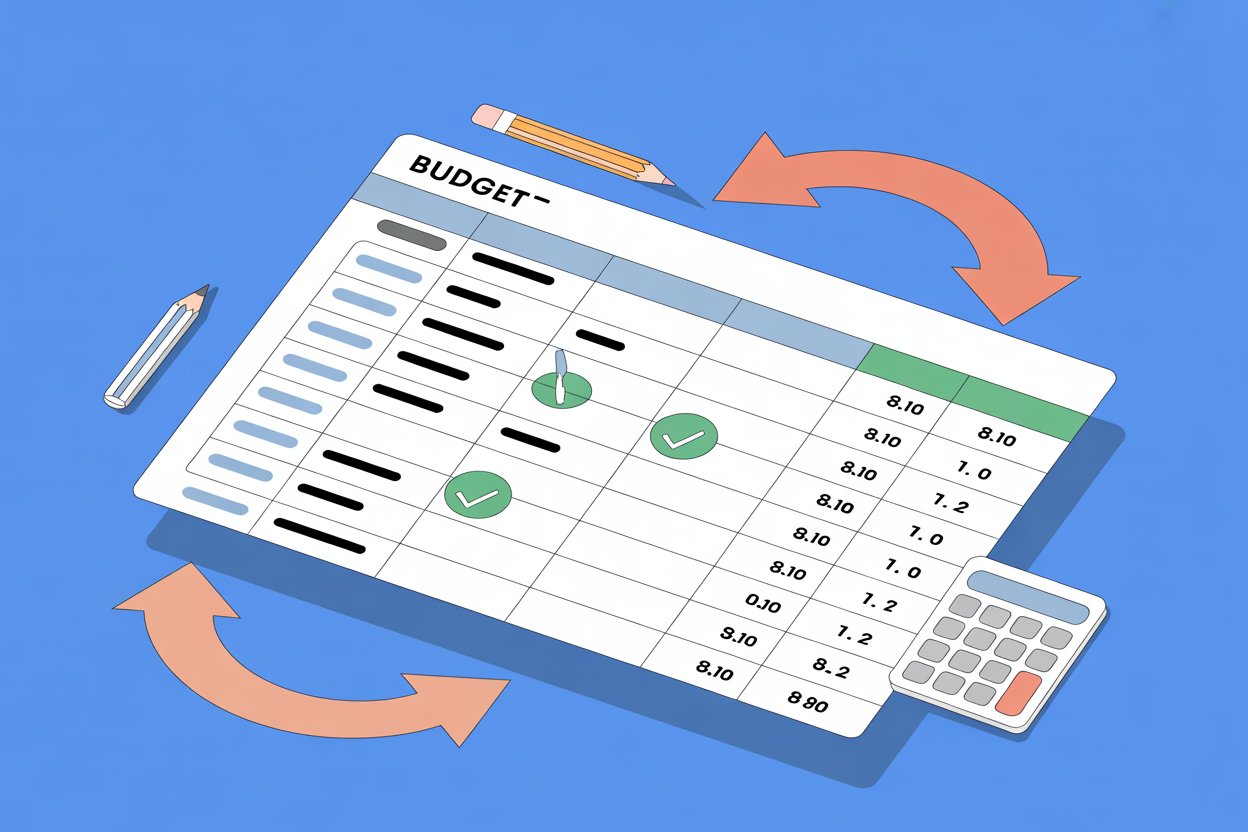
Budgets are not fixed. Life changes, and your budget should adapt with it.
I review my budget regularly to see what is working and what is not.
This helps me stay realistic and avoid frustration.
Adjustments keep your budget effective over time.
13. Stay Consistent Even When Progress Feels Slow
Progress on a low income can feel slow, but consistency matters more than speed.
I had moments where it felt like nothing was changing. Looking back, those small efforts added up.
Consistency builds habits, and habits build results.
Ways to stay consistent include:
- Focusing on small wins
- Tracking progress over time
- Avoiding comparison with others
- Staying patient
Final Thoughts on Budgeting With a Low Income
Budgeting on a low income is not easy, but it is possible. The key is focusing on what you can control and improving step by step.
From experience, small changes lead to big results over time. Stay consistent, stay patient, and trust the process.