
18 Common Investing Mistakes New Investors Make
When I first started investing, I made mistakes that cost me time and money. Most beginners do not fail because investing is hard, they fail because they repeat avoidable mistakes without realizing it early enough.
1. Investing Without Clear Financial Goals

One of the earliest mistakes I made was investing without knowing exactly why I was investing. I was just following what others were doing, hoping for good results.
Without clear goals, it becomes difficult to make smart decisions. You do not know when to hold, when to sell, or how much risk to take.
Goals give direction. Whether it is long-term wealth, retirement, or short-term growth, clarity helps you stay focused and consistent.
Examples of clear investment goals include:
- Saving for retirement
- Building long-term wealth
- Generating passive income
- Funding major life expenses
2. Trying to Time the Market
Trying to predict when the market will go up or down feels smart, but it rarely works. I learned this the hard way after missing opportunities while waiting for the perfect moment.
Markets move based on many factors. Even experienced investors struggle to time it consistently.
Waiting too long can mean missing growth, while acting too quickly can lead to losses.
A better approach is consistency. Investing regularly removes the pressure of perfect timing.
3. Letting Emotions Drive Decisions
Emotions can quietly ruin good investment strategies. Fear during market drops and excitement during growth often lead to poor decisions.
I have seen how panic selling locks in losses. At the same time, buying during hype can lead to overpaying for assets.
Staying calm and sticking to a plan is more important than reacting to every market movement.
Common emotional mistakes include:
- Panic selling during market drops
- Buying during hype periods
- Changing strategies too often
- Acting on fear or greed
4. Not Diversifying Investments
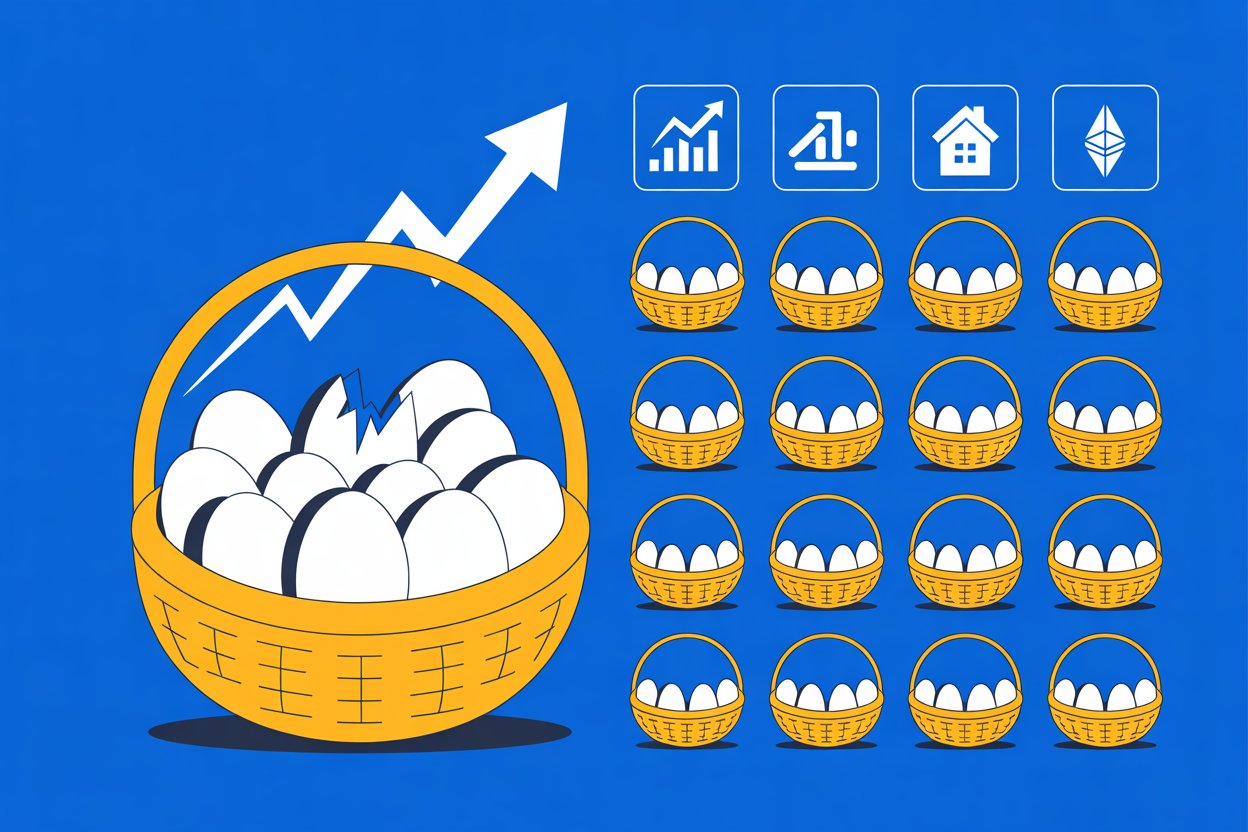
Putting all your money into one investment can feel confident, but it is risky. If that investment fails, your entire portfolio suffers.
Diversification spreads risk across different assets. This reduces the impact of losses from a single investment.
I learned that even strong investments can decline. Having a mix of assets creates balance.
Diversification does not eliminate risk, but it makes it more manageable.
5. Chasing Trends and Hype Investments
It is easy to get excited about trending investments. I have followed hype before, only to realize I entered too late.
When everyone is talking about an investment, the biggest gains are often already gone.
Trends create pressure to act quickly, which leads to poor decisions.
Signs you are chasing hype include:
- Investing based on social media trends
- Feeling urgency to act immediately
- Ignoring research
- Expecting quick profits
6. Ignoring Risk Tolerance
Every investor has a different comfort level with risk. Ignoring this can lead to stress and poor decisions.
I once invested in assets that were too volatile for me. I could not handle the fluctuations, which led to emotional reactions.
Understanding your risk tolerance helps you choose investments that match your personality.
This makes it easier to stay consistent during market changes.
7. Investing Money You Cannot Afford to Lose
Investing should never put your financial stability at risk. Using essential funds creates pressure and fear.
I learned to separate emergency savings from investment money. This reduced stress and improved decision-making.
When you invest only what you can afford, you think more clearly and act more confidently.
This simple rule prevents many costly mistakes.
8. Overtrading and Frequent Buying and Selling

Trading too often can reduce returns. Fees, mistakes, and emotional decisions add up over time.
At one point, I thought being active meant being smart. In reality, it only increased my stress and reduced my results.
Long-term investing often performs better than constant trading.
Problems caused by overtrading include:
- Higher transaction costs
- Increased emotional decisions
- Missed long-term growth
- Lower overall returns
9. Not Doing Enough Research
Investing without understanding what you are buying is risky. Early on, I relied too much on others instead of learning myself.
Research helps you understand risks, potential returns, and how investments work.
It also builds confidence. When you know what you own, you are less likely to panic.
Taking time to learn reduces avoidable mistakes.
10. Focusing Only on Short-Term Gains
Short-term thinking can lead to poor decisions. It creates pressure to act quickly instead of thinking strategically.
I used to focus on quick profits, but I realized long-term growth is more reliable.
Investing rewards patience. The longer you stay consistent, the better your results become.
Shifting focus to long-term goals improves outcomes.
11. Ignoring Fees and Hidden Costs
Fees may seem small, but they reduce returns over time. I did not pay attention to them at first, and it affected my results.
Management fees, transaction costs, and hidden charges can add up.
Choosing low-cost investments helps preserve your gains.
Understanding fees is an important part of smart investing.
12. Following Advice Without Understanding It

Taking advice without understanding it can lead to mistakes. I have followed recommendations before without fully knowing the risks.
What works for someone else may not work for you.
Learning first allows you to make informed decisions.
Ways to avoid blind investing include:
- Asking questions before investing
- Understanding risks involved
- Learning basic investment concepts
- Avoiding pressure to act quickly
13. Not Rebalancing Your Portfolio
Over time, your portfolio can shift. Some investments grow faster than others, changing your original balance.
Rebalancing helps maintain your desired risk level.
I learned to review my portfolio regularly. Small adjustments keep it aligned with my goals.
This habit improves long-term stability.
14. Holding Losing Investments Too Long
Holding onto losing investments can be emotional. It is hard to accept losses, but sometimes it is necessary.
I used to wait too long, hoping prices would recover. This often made losses worse.
Knowing when to exit is part of investing.
Accepting small losses can protect your overall portfolio.
15. Selling Winning Investments Too Early
Selling too early can limit growth. I have done this out of fear, only to watch investments continue rising afterward.
Patience allows strong investments to grow.
It is important to have a plan for when to sell.
Balancing profit-taking and long-term growth is key.
16. Ignoring Inflation and Real Returns
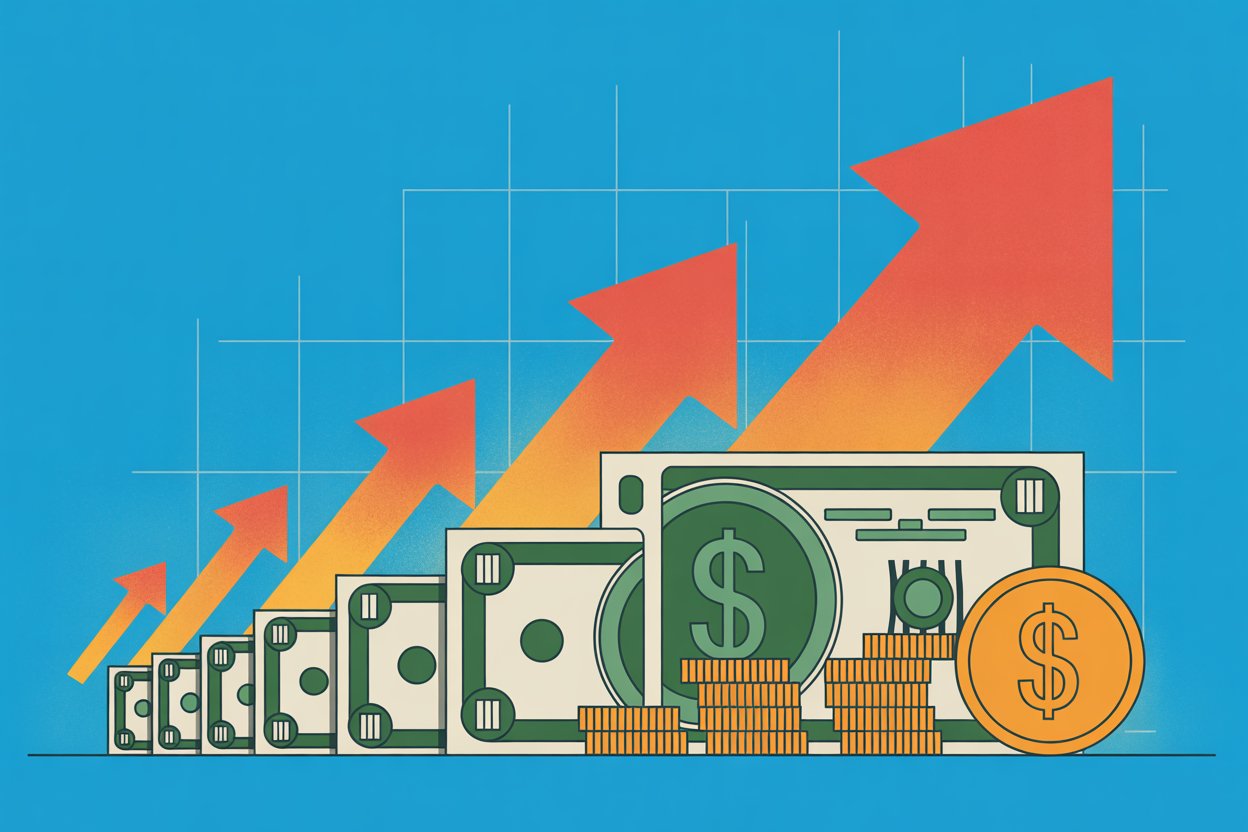
Inflation reduces the value of money over time. Ignoring it can make returns seem better than they are.
I learned that real returns matter more than nominal gains.
Investments should outpace inflation to truly grow wealth.
Key points about inflation include:
- Reduces purchasing power
- Affects long-term savings
- Requires growth-focused investments
- Impacts real returns
17. Investing Without a Plan or Strategy
Investing without a plan leads to inconsistent decisions. I experienced this early on when I reacted to every market change.
A strategy provides structure. It helps you stay consistent regardless of market conditions.
Plans reduce emotional decisions and improve discipline.
Having a clear approach makes investing easier.
18. Expecting Quick Results From Investing
Expecting fast results creates frustration. Wealth building takes time, and patience is essential.
I had unrealistic expectations at first. Once I adjusted them, investing became less stressful.
Consistent effort over time produces better outcomes than chasing quick gains.
Understanding this changes how you approach investing.
Final Thoughts on Avoiding Investing Mistakes
Avoiding mistakes is just as important as making good decisions. Small errors can slow progress, but learning from them improves your approach.
From experience, investing becomes easier with time and consistency. Focus on building good habits, and the results will follow naturally.