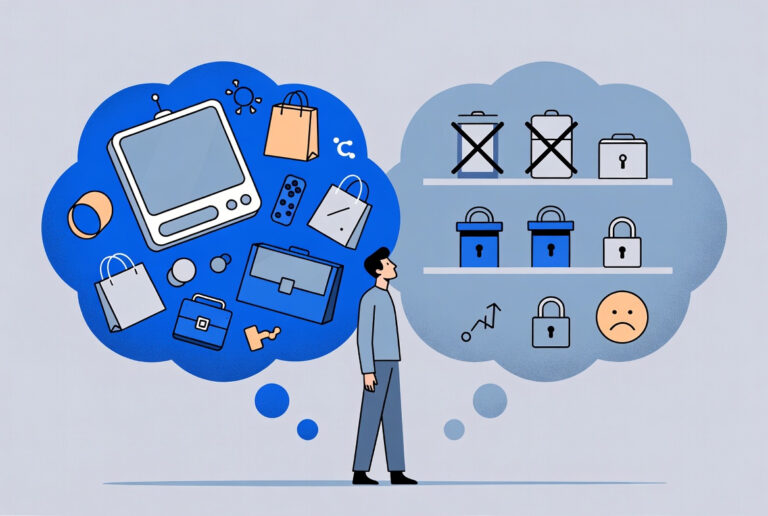
12 Money Habits That Help You Save More Each Month
Saving more money each month does not happen by chance. I learned that small, consistent habits create bigger results than occasional effort. By adjusting your daily money routines, you can grow your savings steadily without feeling stressed or deprived.
1. Track Every Expense Regularly
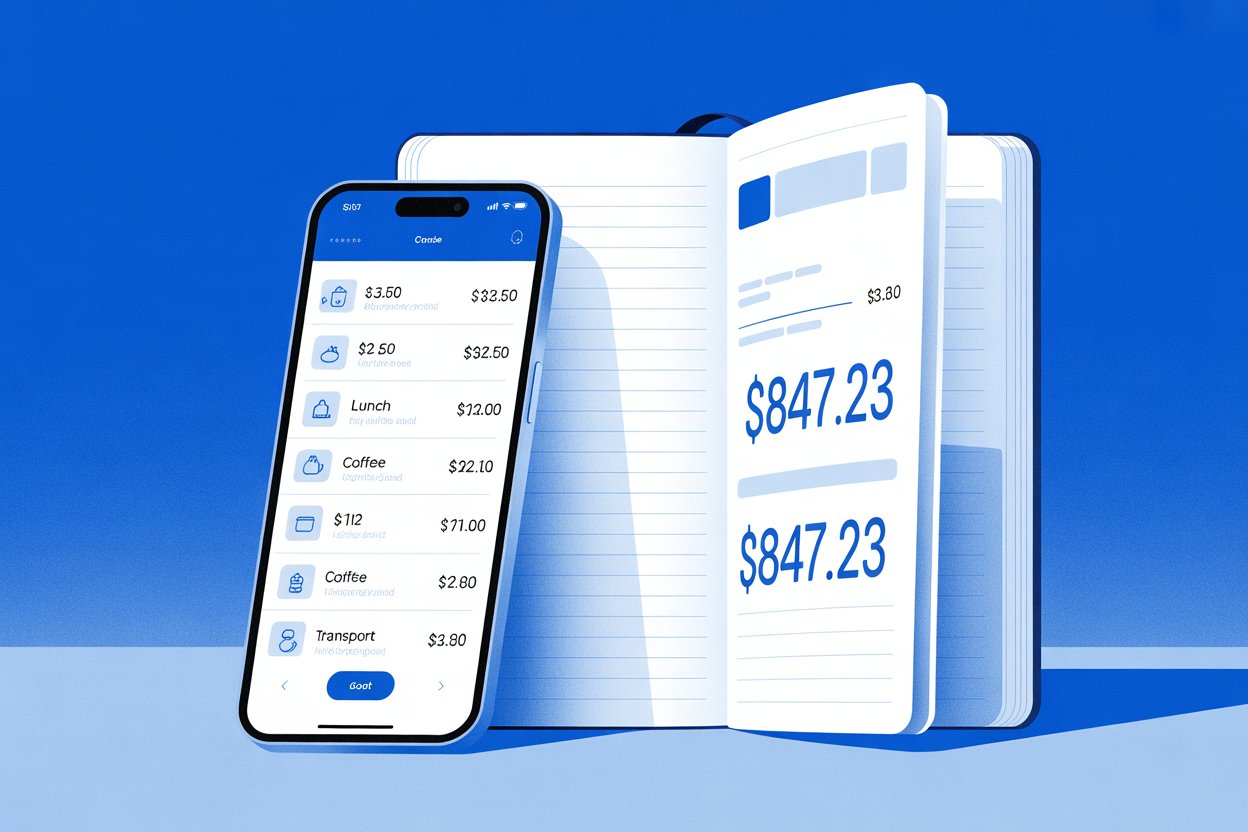
One of the first habits I developed was tracking every expense. At first, it felt tedious, but I quickly realized how much small spending added up.
Tracking your money helps identify leaks you might not notice otherwise. Whether it is a daily coffee or small subscriptions, awareness is key.
You do not need fancy apps, a simple notebook or spreadsheet works fine. Consistency matters more than perfection.
Ways to track expenses effectively:
- Use a budgeting app for daily updates
- Keep a small notebook for quick notes
- Review bank statements weekly
- Categorize spending into essentials and non-essentials
Tracking makes it easier to make smarter spending choices and reduce waste.
2. Create a Monthly Budget You Can Stick To
A realistic budget is more helpful than a strict one that feels impossible. I learned that planning with flexibility keeps you consistent.
Start by calculating your income and subtracting essentials. What remains can be divided between savings and discretionary spending.
A flexible budget allows for unexpected expenses without guilt. Adjust it as your needs and income change.
Tips for building a functional budget:
- Prioritize essential expenses first
- Allocate a fixed amount to savings
- Leave some room for small pleasures
- Review monthly to adjust for changes
A budget is a guide, not a restriction. It helps you spend intentionally.
3. Pay Yourself First Every Month
Saving becomes easier when it happens automatically. I started setting aside money before spending on anything else.
Paying yourself first ensures you save consistently, even if the rest of the month is tight. It reduces the temptation to spend what you might otherwise save.
Automating this process creates discipline without requiring willpower. Over time, small amounts accumulate into meaningful savings.
Ways to implement pay-yourself-first:
- Set up automatic transfers to savings accounts
- Save a fixed percentage of your income
- Increase savings gradually as your income grows
- Treat savings as a non-negotiable expense
This habit builds long-term security without feeling like a sacrifice.
4. Avoid Impulse Purchases
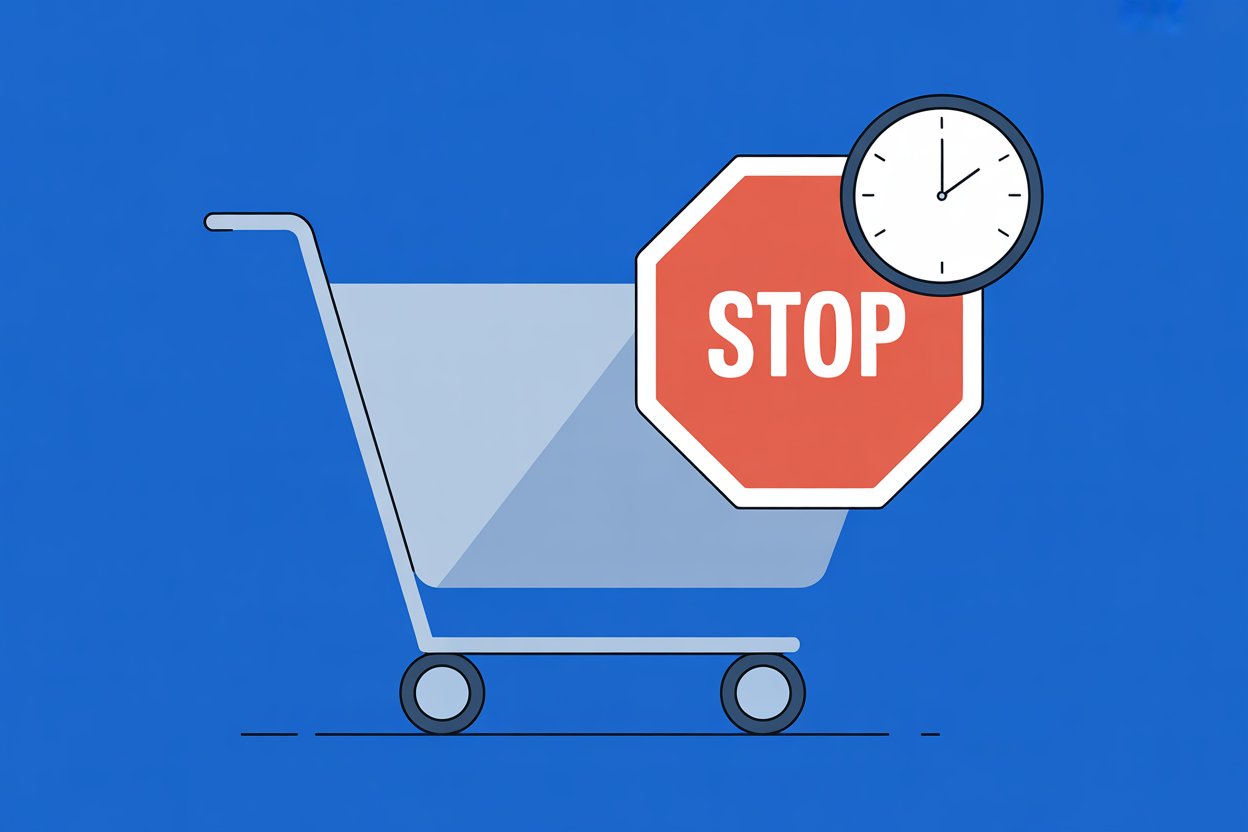
Impulse buying can quietly sabotage savings. I used to make quick purchases, then regret them later.
A small pause before buying allows you to evaluate whether the purchase is necessary. Often, the desire disappears with time.
Impulse control saves money and prevents clutter in your life. It also trains you to spend intentionally.
Techniques to avoid impulse spending:
- Use a 24-hour wait rule before non-essential purchases
- Make a shopping list and stick to it
- Avoid shopping when emotional or stressed
- Unsubscribe from marketing emails and notifications
Reducing impulse purchases creates space for more meaningful spending.
5. Cut Recurring Costs You Don’t Use
I was surprised how much money I wasted on subscriptions and automatic payments I rarely used. Canceling unused services gave me instant relief.
Even small monthly fees add up over time. Review all recurring costs and keep only what is essential or truly valuable.
Reducing recurring costs is a painless way to boost monthly savings without changing lifestyle habits.
Steps to manage recurring costs:
- List all active subscriptions
- Cancel or downgrade unused services
- Negotiate bills when possible
- Avoid adding new subscriptions without real need
This simple review can free up significant money each month.
6. Plan Major Purchases in Advance
Major purchases can disrupt your budget if unplanned. I started saving for them ahead of time, which prevented stress and overspending.
By planning, you can research better deals, pay cash, and avoid debt. You also feel more in control of your money.
A purchase plan turns impulse decisions into intentional ones.
How to plan purchases:
- Make a purchase calendar for big items
- Set aside a small monthly amount
- Compare prices before buying
- Avoid buying under pressure or hype
Planning reduces stress and keeps your savings on track.
7. Use Cash or Debit to Control Spending
Seeing money leave your hands creates awareness. I noticed when I used cash, I spent less than when swiping a card.
Using cash or debit prevents overspending. It also makes you more mindful of daily expenses.
This habit strengthens your financial discipline naturally.
Ways to use cash or debit effectively:
- Withdraw a weekly allowance for discretionary spending
- Use debit for essentials, avoiding overdraft
- Limit credit card use to planned expenses
- Track cash spending to spot patterns
Physical money provides a tangible connection to your spending habits.
8. Automate Bills and Payments to Avoid Late Fees
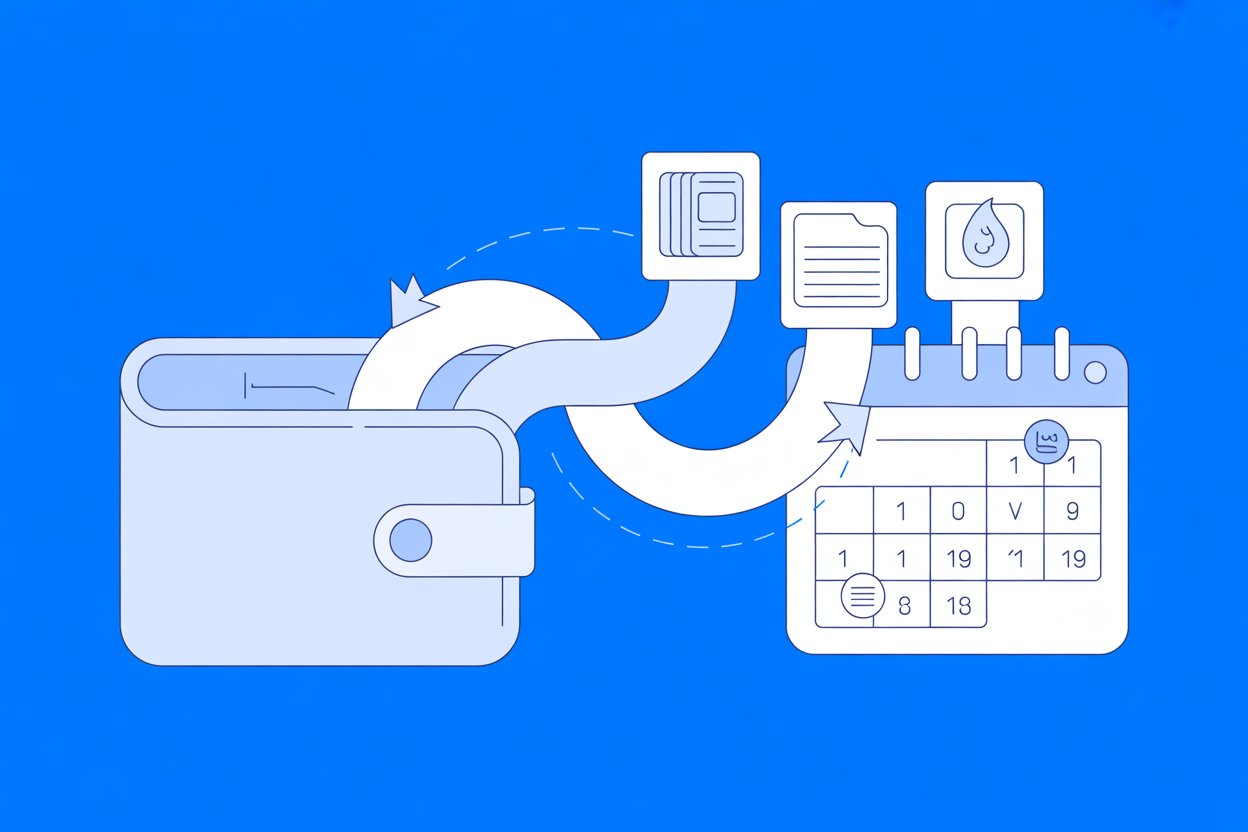
Late fees can eat into savings. Automating bills ensures you pay on time and avoid unnecessary costs.
Automation also reduces stress. I no longer worry about missing deadlines for utilities or credit payments.
This habit saves both money and mental energy.
Steps to automate payments:
- Set up auto-pay for regular bills
- Link accounts to a checking account with sufficient funds
- Monitor accounts monthly to avoid errors
- Adjust automation if amounts change
Automation protects your finances while keeping your routines simple.
9. Look for Deals Without Overbuying
Saving money is not just about cutting costs, it’s about smarter spending. I learned to take advantage of discounts while avoiding unnecessary purchases.
Deals should support your goals, not tempt you to spend on items you don’t need.
Intentional use of discounts increases savings without restricting lifestyle enjoyment.
Smart ways to use deals:
- Buy essentials during sales
- Compare prices before purchasing
- Use coupons or reward programs wisely
- Avoid impulse buying even on sale
This strategy helps you save without feeling deprived.
10. Build an Emergency Fund Gradually
An emergency fund prevents unexpected expenses from wrecking your budget. I started with small contributions, and over time, it became a safety net.
Even a modest emergency fund reduces stress and protects you from debt.
Consistency matters more than speed. Small, repeated deposits build significant savings over time.
Tips to build an emergency fund:
- Set aside a small percentage each month
- Keep funds in a separate account
- Increase contributions gradually
- Use the fund only for true emergencies
A safety net creates peace of mind and financial stability.
11. Review Your Finances Weekly or Monthly
Checking your finances regularly keeps you aware of progress. I review my budget weekly to catch mistakes early.
Regular reviews allow adjustments before small problems become big. It also reinforces good habits.
Consistency in review builds financial confidence and accountability.
Ways to review effectively:
- Check income and spending weekly
- Track savings growth
- Adjust for unexpected expenses
- Note trends and habits
Frequent reviews keep your money habits strong.
12. Surround Yourself With Positive Financial Influences

Your environment affects your money habits. I learned to spend time with people who value financial discipline.
Positive influences motivate you, offer advice, and normalize smart habits. They also make saving feel achievable.
Being around the right people changes your mindset and behavior.
Ways to leverage positive influence:
- Discuss money goals with supportive friends
- Follow financial experts online
- Join budgeting or saving communities
- Share progress and celebrate milestones
Supportive environments reinforce consistent saving behaviors.
Final Thoughts on Building Money Habits That Stick
Saving more each month is less about willpower and more about consistent habits. From tracking expenses to automating savings, small steps add up over time.
By focusing on manageable changes, staying consistent, and surrounding yourself with the right environment, you can grow your savings steadily without stress. Over time, these habits become natural and create real financial security.