10 Physical Assets That Can Generate Passive Income Over Time
If you want passive income that feels real and tangible, physical assets can be powerful. Unlike digital products or stocks, you can see and touch these investments. I used to think passive income was only about online businesses, but physical assets opened my eyes to long-term, steady cash flow opportunities. In this guide, I will walk you through ten physical assets that can generate passive income over time.
1. Rental Real Estate Properties
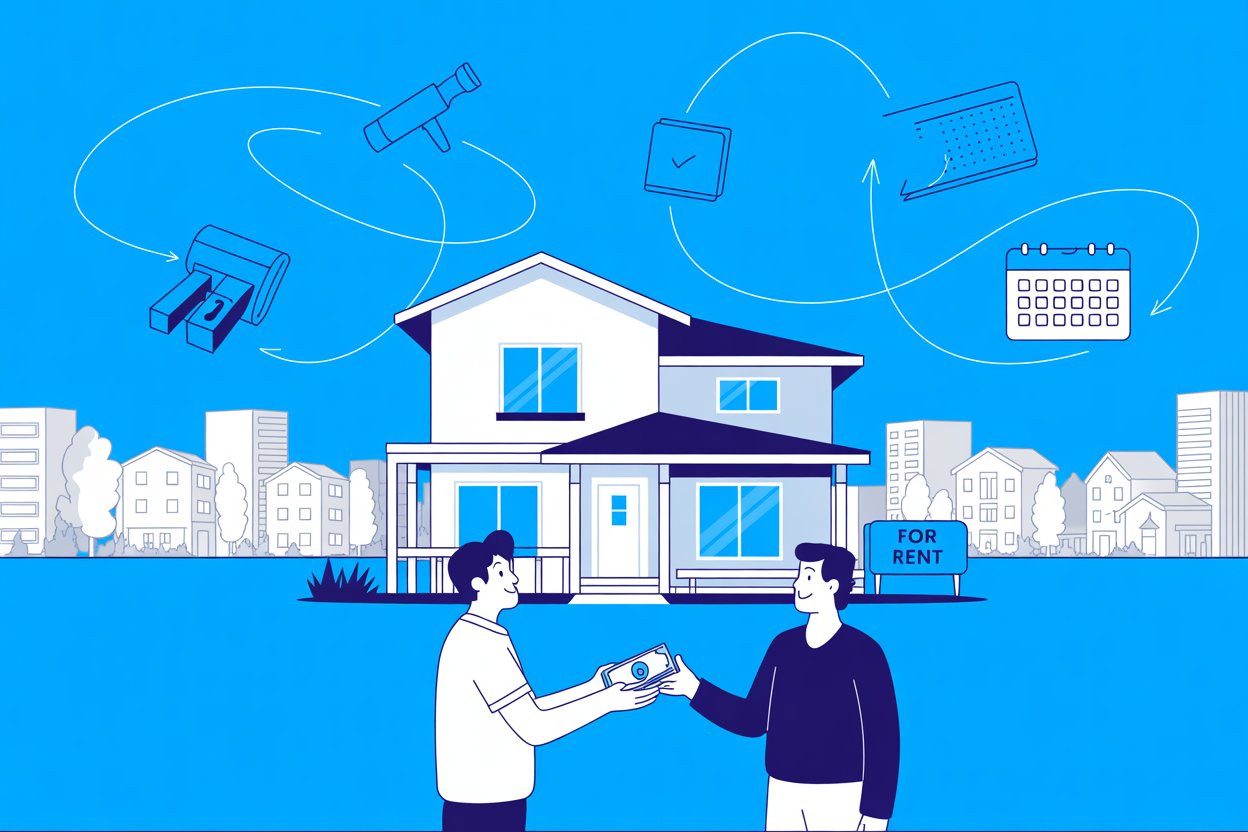
Rental real estate is one of the most common physical assets for passive income.
Owning residential property allows you to earn monthly rent while the property potentially increases in value.
I remember when I first considered rental property. The upfront cost felt intimidating. But after running the numbers carefully, I realized steady rental income could offset mortgage payments.
Types of rental real estate include:
- Single family homes
- Multi family units
- Apartments
- Short term vacation rentals
Long-term rentals usually provide more stable income. Short-term rentals can offer higher returns, but they require more management.
You must factor in:
- Property taxes
- Maintenance costs
- Insurance
- Vacancy periods
When managed properly, rental properties can generate consistent cash flow for decades.
2. Commercial Real Estate
Commercial real estate includes office buildings, retail shops, and industrial warehouses.
These properties are often leased to businesses instead of individuals.
Commercial leases are typically longer than residential leases. This can mean more predictable income.
Benefits of commercial real estate:
- Longer lease agreements
- Higher rental rates
- Professional tenants
- Triple net lease options, where tenants pay certain expenses
However, vacancies can last longer if a business leaves. Economic downturns also affect commercial demand.
This asset requires larger capital but can produce strong returns over time.
3. Farmland and Agricultural Land

Farmland is an overlooked but powerful physical asset.
Agricultural land can generate passive income through leasing to farmers. In some cases, owners receive fixed rent payments. In others, they earn a share of crop profits.
Farmland offers unique advantages:
- Essential industry demand
- Long-term land appreciation
- Hedge against inflation
- Limited supply
However, income may fluctuate depending on crop yields and weather conditions.
Maintenance requirements are often lower if leased properly. Over decades, farmland has historically maintained strong value.
4. Vending Machines and Automated Retail Units
Vending machines are small scale physical assets that can generate steady cash flow.
I once considered investing in vending machines because of their low entry cost compared to property.
Income depends heavily on location. High traffic areas like schools, offices, and hospitals perform better.
Key factors include:
- Initial machine cost
- Product restocking
- Location rental fees
- Maintenance and repairs
Once established in good locations, vending machines can operate with minimal daily involvement.
Scaling requires multiple machines in different areas. This creates diversified micro income streams.
5. Laundromats and Coin Operated Businesses
Laundromats are classic examples of physical passive income businesses.
They generate revenue from customers using washing machines and dryers.
Startup costs can be significant because equipment is expensive. However, demand remains steady, especially in urban areas.
Reasons laundromats can work well:
- Recurring customer base
- Cash flow driven model
- Essential service
- Low staffing needs
Expenses include utilities, maintenance, and lease payments if the property is rented.
With good management and location, laundromats can produce reliable long-term income.
6. Car Rentals and Vehicle Fleet Investments
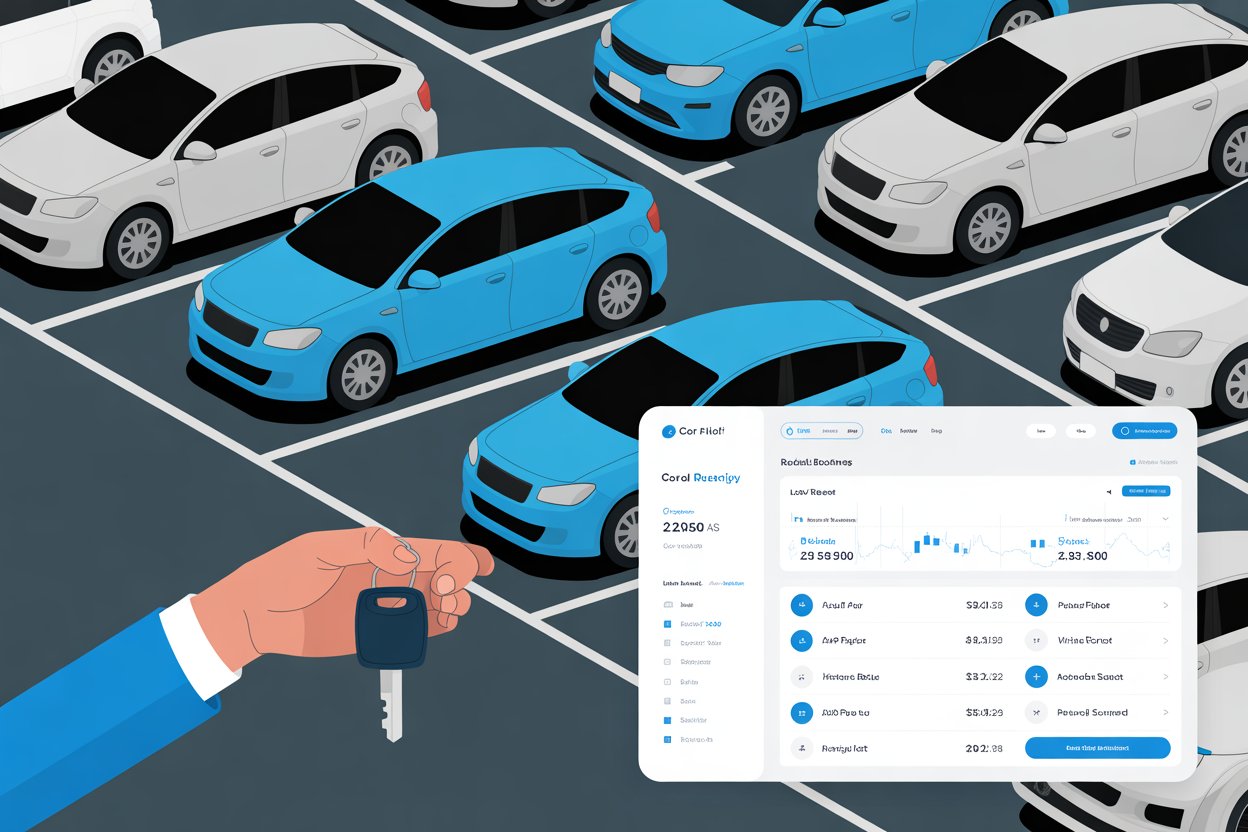
Cars can be depreciating assets, but they can also produce income when rented.
Some investors rent vehicles through peer to peer platforms or manage small fleets independently.
Income potential depends on:
- Vehicle type
- Market demand
- Insurance costs
- Maintenance expenses
Luxury cars may generate higher daily rental rates. Economy cars may provide steadier demand.
Depreciation must be carefully calculated. Profitability depends on keeping utilization high while managing repairs efficiently.
This asset requires more active oversight but can produce strong returns when structured properly.
7. Storage Units and Self Storage Facilities
Self storage facilities have grown in popularity over the past decade.
People need storage during moves, downsizing, and life transitions.
Storage units provide recurring monthly payments with relatively low operating costs compared to other real estate.
Advantages include:
- Low maintenance compared to apartments
- Short term rental flexibility
- High demand in growing cities
- Scalable unit expansion
Security systems are essential to protect assets and maintain reputation.
Because tenants manage their own items, management involvement is often lower than residential properties.
8. Equipment Rentals, Construction and Event Equipment
Equipment rentals can be surprisingly profitable.
Construction tools, heavy machinery, party tents, and event furniture are always in demand.
Instead of owning equipment that sits unused, customers rent for short periods.
Common rental categories include:
- Construction tools
- Landscaping equipment
- Audio and visual gear
- Event chairs and tents
Wear and tear is a major factor. Regular maintenance protects profitability.
This model works well in growing communities with active construction and event industries.
9. Billboard Advertising and Outdoor Signage
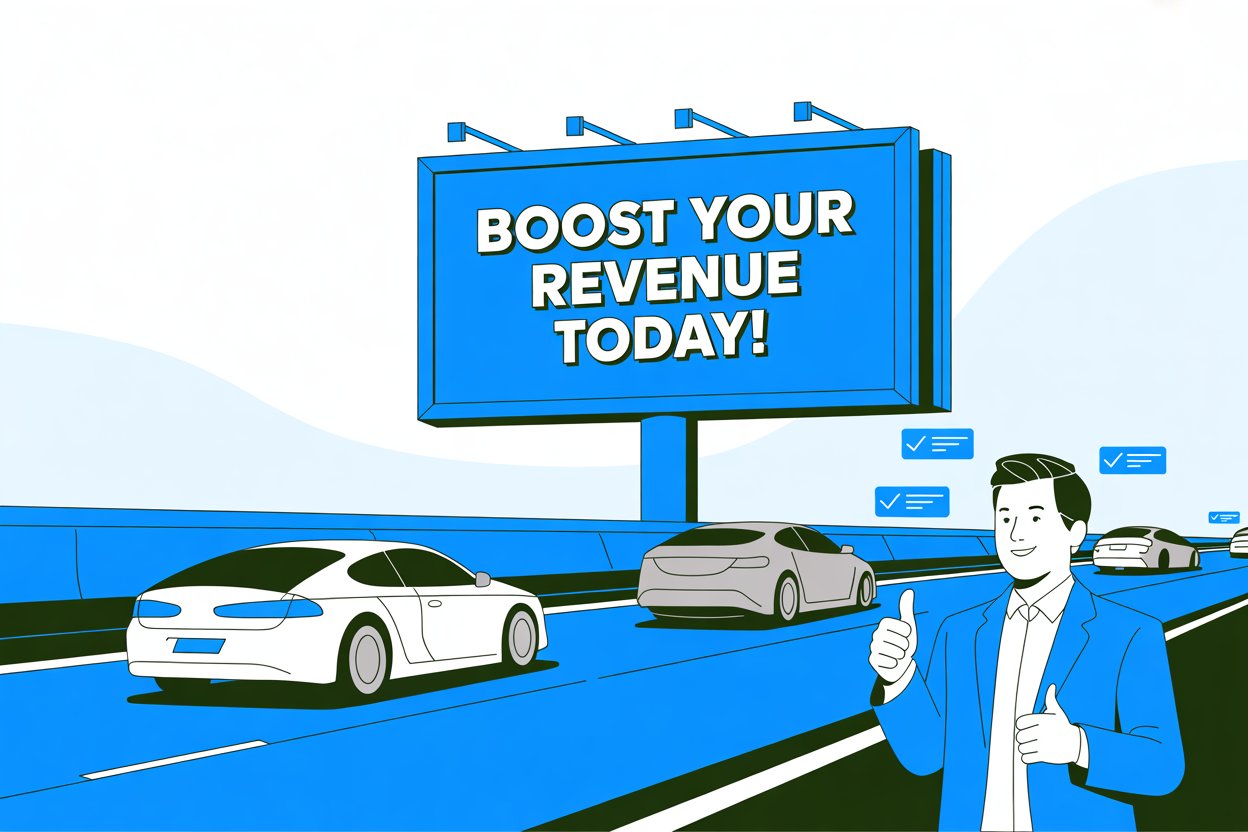
Billboards are another physical asset that can generate passive income.
Property owners can lease advertising space to businesses.
Revenue depends on location visibility and traffic volume.
Important considerations:
- Zoning regulations
- Installation costs
- Maintenance
- Advertising contracts
Well located billboards near highways or busy intersections can produce strong recurring payments.
Contracts may last months or years, providing predictable income streams.
10. Precious Metals and Collectible Physical Assets
Precious metals such as Gold and Silver are traditional physical stores of value.
While they do not produce monthly cash flow directly, they can protect wealth and appreciate over time.
Some investors also collect rare art, vintage cars, or limited edition items.
Benefits include:
- Inflation hedge
- Tangible ownership
- Portfolio diversification
- Global demand
However, storage and security are important. Liquidity may also vary depending on market conditions.
Precious metals work best as a complement to cash flow generating assets.
What Makes a Physical Asset Profitable Over Time
Not all physical assets are good investments. Profitability depends on careful evaluation.
From experience, I have learned to examine demand first. If there is no consistent need for the asset, income will be unstable.
Key factors to analyze include:
- Market demand
- Maintenance costs
- Operating expenses
- Location quality
- Appreciation potential
- Liquidity
Cash flow is important, but so is long-term value growth.
Another factor is scalability. Some assets, like vending machines, can be expanded gradually. Others require large upfront capital.
Risk management also matters. Insurance, diversification, and proper financial planning protect your investment.
Before purchasing any physical asset, calculate projected income and expenses carefully. Conservative estimates reduce unpleasant surprises.
Comparing Physical Assets for Passive Income Potential
Each asset type offers different levels of risk and return.
Real estate often provides stable long-term growth. Small scale assets like vending machines require lower capital but may generate smaller returns.
Consider:
- Your available capital
- Your risk tolerance
- Your time commitment
- Your long-term financial goals
Diversification can strengthen your strategy. Combining real estate with smaller equipment rentals or precious metals may balance risk.
There is no single best physical asset. The right choice depends on your personal situation and goals.
Final Thoughts
Physical assets can create powerful passive income streams over time. They require research, planning, and initial effort, but once structured properly, they can provide steady returns.
Start with what you understand. Research local demand. Run realistic numbers. Avoid emotional purchases.
Passive income is built slowly, not overnight. When you choose strong physical assets and manage them wisely, you create financial stability that can last for decades.
The key is patience, discipline, and smart decision making.