7 Online Side Hustles You Should Avoid If You Have Zero Capital
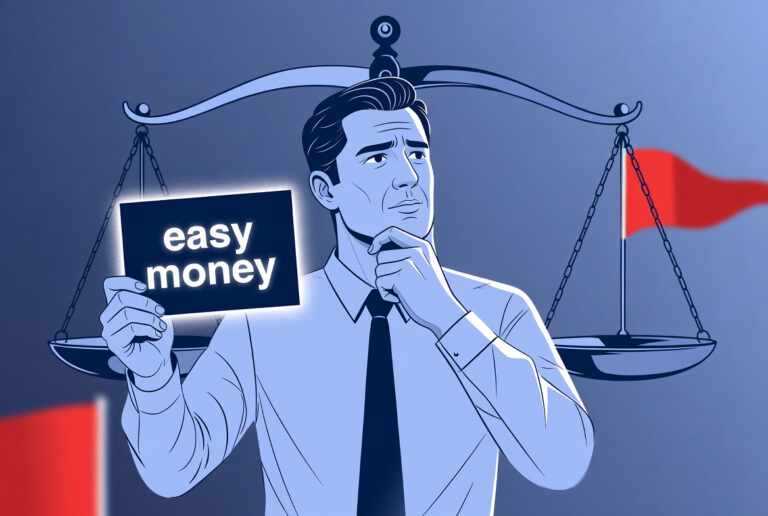
Starting an online side hustle with zero capital sounds attractive, but not every opportunity is realistic when you have no money to invest. Some business models require cash flow, testing budgets, or upfront costs that beginners often underestimate.
1. Dropshipping With Paid Ads
Dropshipping is heavily promoted as a low cost business model. Technically, you do not hold inventory, but that does not mean it is free.
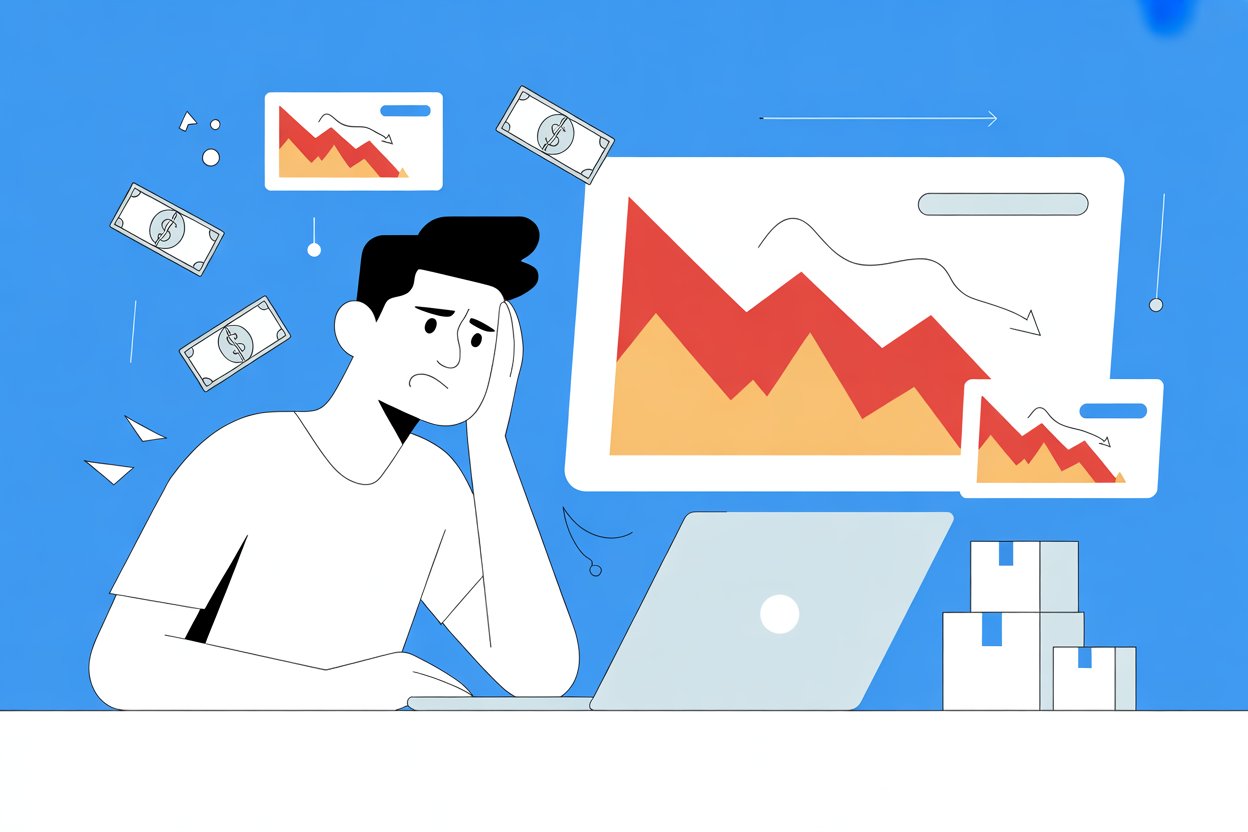
The real cost in dropshipping is advertising. Most successful stores rely on paid ads to test products quickly.
If you have zero capital, paid ads become risky. You may need to test multiple products before finding one that sells consistently.
Testing alone can require:
- Daily ad spend
- Product samples
- App subscriptions
- Store platform fees
If a product fails, you lose money. Without a budget, one failed test can wipe out your progress.
Organic marketing is possible, but it takes time and skill. Most beginners who start with zero capital struggle because they underestimate ad costs.
Dropshipping is not impossible, but it is not beginner friendly when you have no financial cushion.
2. Amazon FBA and Private Labeling
Amazon FBA sounds appealing because of its scale and global reach. However, it requires upfront investment.
You must buy inventory before selling. That means paying suppliers, shipping fees, and storage costs.
Common expenses include:
- Product manufacturing
- Shipping to Amazon warehouses
- Storage fees
- Listing tools and research software
If your product does not sell quickly, you still pay storage fees. That adds pressure.
With zero capital, you cannot absorb slow sales or unexpected issues.
Private labeling also requires branding and packaging, which increases costs further.
Amazon FBA can be profitable, but it is capital intensive. Without savings, it becomes stressful and risky.
3. Print on Demand With Heavy Advertising
Print on demand reduces inventory risk, but many beginners make one mistake, they rely heavily on paid ads from the start.
If you have no money, you cannot test designs properly with ads.
You may need to spend money on:
- E commerce platform subscriptions
- Domain name
- Premium design tools
- Advertising budget
Without paid traffic, growth may be slow unless you are skilled at organic content marketing.
Many people assume designs will sell automatically once uploaded. That is rarely true.
You need traffic, and traffic often costs money or time.
If you truly have zero capital, relying on paid promotion makes this model difficult to sustain.
4. Cryptocurrency Trading and Day Trading

Crypto trading attracts many beginners because of its potential high returns.
However, trading is not a side hustle, it is speculation.
Prices are volatile and unpredictable. Without capital, you cannot diversify properly.
Risks include:
- Sudden market crashes
- Emotional decision making
- Loss of entire investment
- Exchange platform risks
With zero capital, even small losses hurt more.
Many beginners treat trading as guaranteed income. In reality, most traders lose money, especially without experience.
Learning about crypto is valuable. Investing small amounts long term may make sense later.
But active trading with no capital is more gambling than business.
5. Buying and Flipping Websites or Digital Assets
Website flipping involves buying underperforming websites, improving them, then selling for profit.
The problem is obvious, you need money to buy websites first.
Quality websites cost hundreds or thousands of dollars.
Even small starter sites require:
- Purchase price
- Hosting fees
- Improvement costs
- Time investment
If traffic drops or revenue declines, the asset loses value.
With zero capital, you cannot afford mistakes in this model.
Flipping works better for people who already understand SEO, content strategy, and online monetization.
It is not ideal when you are just trying to start from scratch.
6. High Ticket Coaching Without Experience
High ticket coaching is often marketed as a fast way to earn thousands per client.
What most people do not mention is that you need credibility and audience trust first.
Without experience, authority, or testimonials, selling expensive programs becomes very difficult.
You may also need:
- Professional branding
- Sales funnels
- Advertising budget
- Content marketing effort
Charging high prices without proven results can damage your reputation.
If you have zero capital, focus first on gaining skills and real experience.
Coaching can work later when you have proof of results and trust built with your audience.
7. Multi Level Marketing Programs With Entry Fees

Many MLM programs require starter kits or membership fees.
They promise community support and product access, but the business model often depends on recruitment.
Typical costs include:
- Starter packages
- Monthly product purchases
- Event attendance fees
- Marketing materials
If you have zero capital, even small monthly requirements become stressful.
Income distribution in many MLM structures favors those at the top.
That does not mean every program is bad, but it is risky when you cannot afford ongoing fees.
Instead of paying to join a structure, focus on building skills you fully control.
What You Should Do Instead If You Have Zero Capital
If you truly have no money to invest, your best asset is skill.
Skill based side hustles allow you to trade time and ability instead of cash.
Better starting options include:
- Freelance writing
- Virtual assistant services
- Social media management
- Graphic design using free tools
- Online tutoring
These models require effort but minimal financial risk.
You can start with free platforms, build experience, then reinvest profits later.
When you earn your first income, you can consider expanding into models that require capital.
Starting small protects you from debt and unnecessary pressure.
Zero capital does not mean zero opportunity. It simply means you must choose wisely.
Final Thoughts
Not every online side hustle is suitable when you have zero capital.
Some models require advertising budgets, inventory purchases, or ongoing fees that beginners overlook.
Instead of chasing flashy opportunities, focus on building skills and earning your first consistent income.
Once you have savings and experience, more advanced business models become realistic.
Protect your limited resources. Start smart, grow gradually, and invest only when you are financially ready.
That approach may feel slower, but it is far more sustainable in the long run.