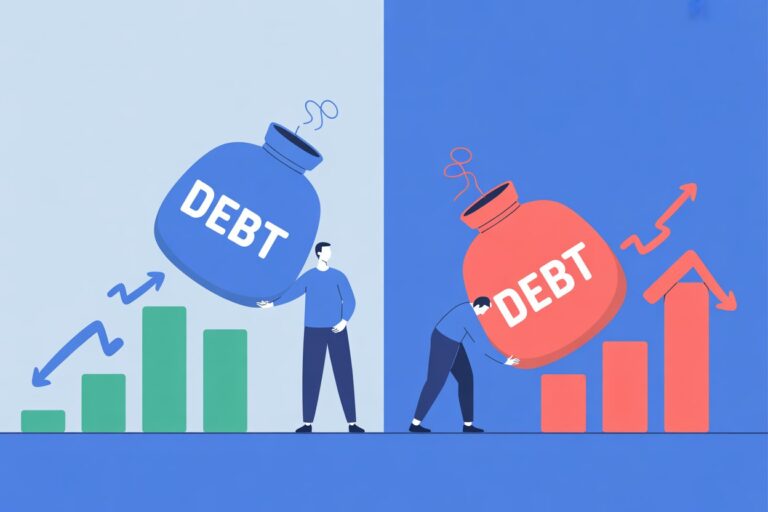
8 Simple Budgeting Rules for Financial Peace
Budgeting is not about restricting your life, it is about giving your money clear direction so you stop wondering where it all goes each month. These simple rules help you stay in control, reduce stress, and build steady financial peace.
1. Always Spend Less Than You Earn

This is the most basic budgeting rule, but also the most powerful. If your spending is higher than your income, financial stress becomes constant, no matter how much you earn or try to adjust your lifestyle.
Spending less than you earn creates breathing room in your finances. It allows you to save, invest, and handle unexpected expenses without depending on debt or borrowing from others.
How to Apply This Rule in Real Life
Many people understand this rule but still struggle to apply it consistently. The key is making small, intentional decisions every month that protect your income.
Practical ways to follow this rule include:
- Tracking your income clearly every month
- Cutting unnecessary subscriptions or expenses
- Avoiding impulse purchases
- Setting spending limits for categories
- Planning purchases before buying
Even small reductions in spending can create noticeable financial relief over time.
When I first started paying attention to this rule, I realized most financial pressure came from small, repeated expenses, not big purchases. Once I adjusted that, things became easier.
Why This Rule Matters So Much
This rule forms the foundation of every successful budget. Without it, every other financial plan eventually breaks down because spending slowly eats into savings.
Key benefits include:
- Better financial control
- Reduced dependence on debt
- Increased savings potential
- More predictable monthly finances
If you master only one budgeting rule, this should be it.
2. Track Every Expense You Make
If you do not track your expenses, it becomes almost impossible to understand where your money is going. Many people feel broke not because they earn too little, but because they lose track of small spending.
Tracking expenses gives you awareness, and awareness leads to better decisions.
How Expense Tracking Works
Expense tracking simply means recording every single thing you spend money on. This helps you see patterns you would normally ignore in daily life.
You can track expenses using:
- Mobile budgeting apps
- Spreadsheets
- Notebook journals
- Banking transaction history
The method does not matter as much as consistency.
Common Spending Habits You Will Discover
Once you start tracking properly, you may notice patterns like:
- Frequent small food purchases
- Unplanned online shopping
- Transportation overspending
- Subscription services you forgot about
- Emotional spending during stress
These small habits often add up more than expected.
Why Tracking Changes Everything
Expense tracking forces honesty. It shows you the real picture of your financial behavior instead of assumptions.
Benefits include:
- Better financial awareness
- Easier budgeting decisions
- Reduced wasteful spending
- Improved savings consistency
Once you see your spending clearly, improving it becomes much easier.
3. Build a Realistic Monthly Budget

A budget is simply a plan for your money. Without a plan, money disappears quickly, but with a budget, every income has a purpose and direction.
A realistic budget is one you can actually follow, not one that looks perfect on paper but fails in real life.
How to Create a Simple Budget
A good budget does not need to be complicated. It only needs to match your lifestyle and income level.
Start by dividing your income into categories like:
- Rent or housing
- Food and groceries
- Transportation
- Savings
- Debt repayment
- Personal spending
This helps you assign every naira or dollar a purpose.
Popular Budgeting Methods
Different methods work for different people. You can choose one that feels easiest to maintain.
Common budgeting systems include:
- 50/30/20 rule
- Zero-based budgeting
- Envelope system
- Pay-yourself-first method
Each method focuses on controlling spending in a structured way.
How to Stick to Your Budget
Creating a budget is easy, but following it consistently is where most people struggle.
Helpful strategies include:
- Reviewing your budget weekly
- Adjusting unrealistic categories
- Avoiding emotional spending decisions
- Setting spending alerts on your bank account
- Keeping a simple tracking system
A budget should support your life, not stress you out.
4. Prioritize Needs Over Wants
One of the fastest ways to lose financial control is confusing needs with wants. Needs are essential for survival and stability, while wants are things that improve comfort but are not necessary.
Understanding this difference helps you make smarter spending decisions.
Identifying Needs and Wants Clearly
Sometimes the line between needs and wants can feel blurry, especially with modern lifestyles and online shopping.
Examples of needs include:
- Food and basic groceries
- Rent or shelter
- Transportation
- Utilities
- Basic clothing
Examples of wants include:
- Luxury items
- Frequent dining out
- Entertainment subscriptions
- Trendy gadgets
- Impulse online purchases
How Emotional Spending Affects Your Budget
Most unnecessary spending comes from emotions rather than real needs. Stress, boredom, and social pressure often influence buying decisions.
To reduce emotional spending:
- Wait 24 hours before buying non-essential items
- Avoid shopping when stressed
- Set monthly limits for fun spending
- Unsubscribe from unnecessary marketing emails
Why This Rule Builds Financial Discipline
When you consistently prioritize needs over wants, your financial habits naturally improve over time.
Benefits include:
- More savings every month
- Reduced financial regret
- Better money control
- Stronger discipline
This rule alone can significantly improve your financial stability.
5. Build an Emergency Fund Before Major Spending

An emergency fund is money set aside specifically for unexpected situations. Without it, even small emergencies can push you into debt or financial stress.
Life is unpredictable, so having financial backup is essential.
How Much You Should Save
The ideal emergency fund usually covers three to six months of basic expenses, but you do not need to start big.
You can build it gradually:
- Start with one month of expenses
- Then move to three months
- Eventually aim for six months or more
Even small savings create a sense of security.
Where to Keep Your Emergency Fund
Your emergency fund should be safe, accessible, and separate from your daily spending account.
Good options include:
- Savings accounts
- Money market accounts
- Digital savings wallets
- Bank emergency sub-accounts
Avoid risky investments for emergency savings.
Why Emergency Funds Are Important
Without an emergency fund, unexpected expenses can disrupt your entire budget.
Common emergencies include:
- Medical bills
- Job loss
- Car repairs
- Family emergencies
- Urgent home repairs
Having savings prevents panic during these situations.
6. Avoid Lifestyle Inflation
Lifestyle inflation happens when your spending increases every time your income increases. At first, it feels rewarding, but over time it slows down financial progress.
Many people earn more money but still struggle financially because of this habit.
How Lifestyle Inflation Starts
It usually begins with small upgrades that seem harmless at first.
Examples include:
- Moving to a more expensive apartment
- Eating out more often
- Buying expensive gadgets
- Increasing shopping habits
- Upgrading subscriptions unnecessarily
These changes gradually consume extra income.
How to Control Lifestyle Inflation
The goal is not to stop enjoying life, but to grow your savings at the same time your income increases.
Helpful strategies include:
- Saving a percentage of every raise
- Maintaining your current lifestyle for a while
- Investing extra income instead of spending it
- Setting clear financial goals
Why This Rule Matters Long-Term
Controlling lifestyle inflation helps you build wealth faster without needing extreme income increases.
Benefits include:
- Faster savings growth
- More investment opportunities
- Stronger financial discipline
- Long-term wealth stability
Small financial discipline today creates big results in the future.
7. Review and Adjust Your Budget Monthly

A budget is not something you create once and forget. It should evolve as your income, expenses, and goals change over time.
Regular reviews help you stay on track and fix problems early.
How to Review Your Budget Effectively
Monthly reviews do not need to be complicated. The goal is to check if your spending matches your plan.
You can review:
- Total income vs expenses
- Savings progress
- Debt reduction progress
- Spending categories
- Unexpected costs
This helps you stay aware of your financial direction.
Adjusting Your Budget Over Time
Life changes, and your budget should change with it. If something is not working, adjust it instead of abandoning your budget completely.
You may need to:
- Increase savings goals
- Reduce unnecessary categories
- Add new expense categories
- Rebalance spending limits
Flexibility keeps your budget realistic.
Why Regular Reviews Improve Financial Success
People who review their budgets regularly tend to stay financially stable longer.
Benefits include:
- Better financial awareness
- Faster goal achievement
- Reduced financial surprises
- Improved money control
Small monthly adjustments prevent big financial problems later.
8. Review and Adjust Your Budget Monthly
A budget is not something you create once and forget. It should evolve as your income, expenses, and goals change over time.
Regular reviews help you stay on track and fix problems early before they become bigger financial issues.
How to Review Your Budget Effectively
Monthly reviews do not need to be complicated or time-consuming. The goal is simply to compare your actual spending with your planned budget.
Focus on checking:
- Total income vs total expenses
- Savings progress for the month
- Debt repayment consistency
- Spending patterns across categories
- Unexpected or emergency costs
This simple reflection helps you stay aware of your financial direction.
Adjusting Your Budget Over Time
Life is not static, so your budget should not be either. Income changes, expenses increase, and priorities shift, so your budget must adapt accordingly.
You may need to:
- Increase savings contributions
- Reduce or remove unused categories
- Add new essential expenses
- Rebalance spending limits
- Adjust goals based on new income levels
A flexible budget is easier to maintain long-term than a rigid one.
Why Regular Reviews Improve Financial Success
People who consistently review their budgets tend to make better financial decisions over time because they understand their money habits clearly.
Benefits include:
- Better financial control
- Faster progress toward goals
- Fewer unexpected financial surprises
- Stronger spending awareness
- Improved money discipline
Small monthly adjustments often prevent long-term financial stress.
8. Review and Adjust Your Budget Monthly
A budget is not something you create once and forget. It should evolve as your income, expenses, and goals change over time.
Regular reviews help you stay on track and fix problems early before they become bigger financial issues.
How to Review Your Budget Effectively
Monthly reviews do not need to be complicated or time-consuming. The goal is simply to compare your actual spending with your planned budget.
Focus on checking:
- Total income vs total expenses
- Savings progress for the month
- Debt repayment consistency
- Spending patterns across categories
- Unexpected or emergency costs
This simple reflection helps you stay aware of your financial direction.
Adjusting Your Budget Over Time
Life is not static, so your budget should not be either. Income changes, expenses increase, and priorities shift, so your budget must adapt accordingly.
You may need to:
- Increase savings contributions
- Reduce or remove unused categories
- Add new essential expenses
- Rebalance spending limits
- Adjust goals based on new income levels
A flexible budget is easier to maintain long-term than a rigid one.
Why Regular Reviews Improve Financial Success
People who consistently review their budgets tend to make better financial decisions over time because they understand their money habits clearly.
Benefits include:
- Better financial control
- Faster progress toward goals
- Fewer unexpected financial surprises
- Stronger spending awareness
- Improved money discipline
Small monthly adjustments often prevent long-term financial stress.
Conclusion
Budgeting is not about limiting your life, it is about giving your money structure so you can live with less stress and more control. When you follow simple rules like spending less than you earn, tracking expenses, and building an emergency fund, your financial situation starts to feel more stable and predictable.