Your “Want vs. Need” Checklist for Every Purchase! 7 Things to Note
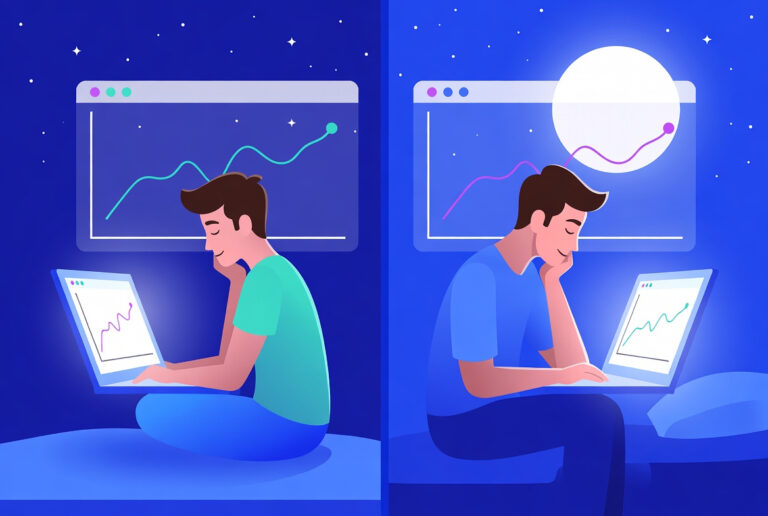
Most purchases are not bad decisions, they are rushed decisions. When emotions, convenience, or stress take over, it becomes harder to tell what we truly need versus what we simply want.
This checklist helps you slow down, ask better questions, and spend with intention instead of impulse.
1. Does This Solve a Current Problem or a Future One
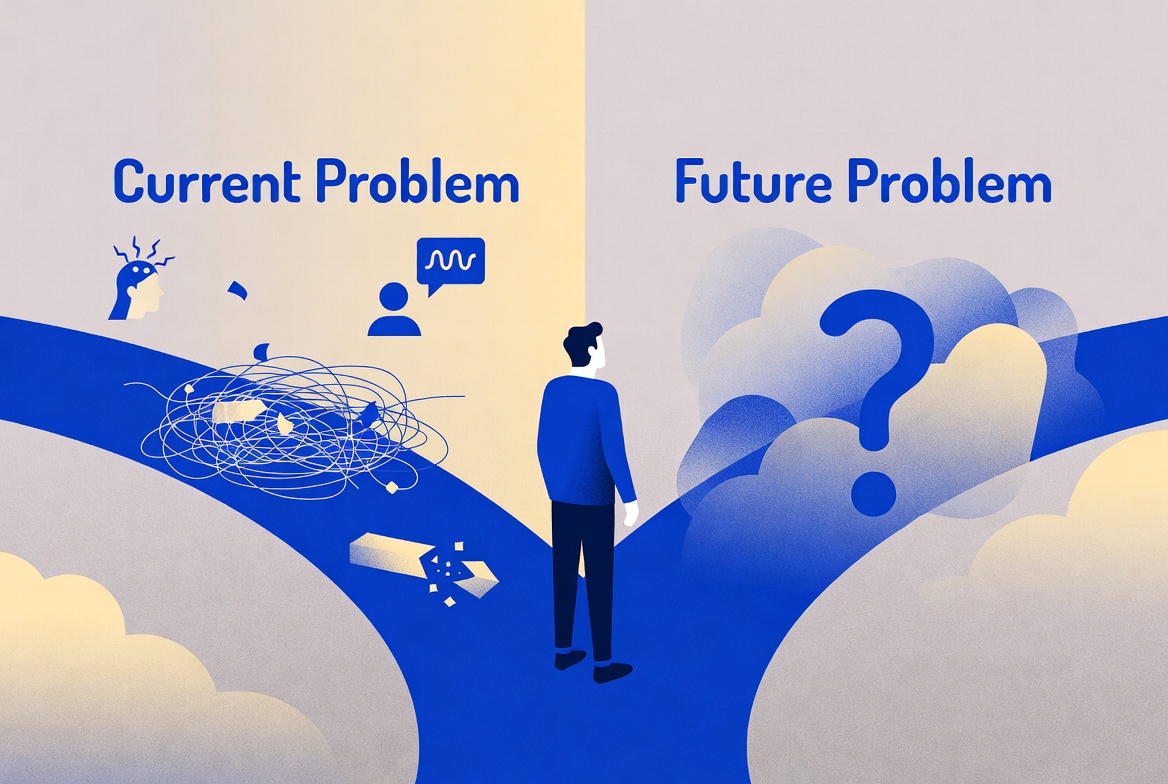
This is the first question I ask before buying anything. Many purchases feel necessary because we imagine future benefits, not because they solve a problem we actually have today.
Future-focused purchases often sound logical. We tell ourselves we are preparing ahead, investing in ourselves, or saving time later. In reality, many of these items sit unused.
A true need usually fixes something that already affects your daily life. A want often promises improvement someday, without urgency.
Ask yourself honestly:
-
What problem am I trying to solve right now
-
Is this problem affecting me weekly or daily
-
Have I managed fine without this until now
If the problem is not current, the purchase can usually wait.
2. Would My Life Be Noticeably Worse Without This
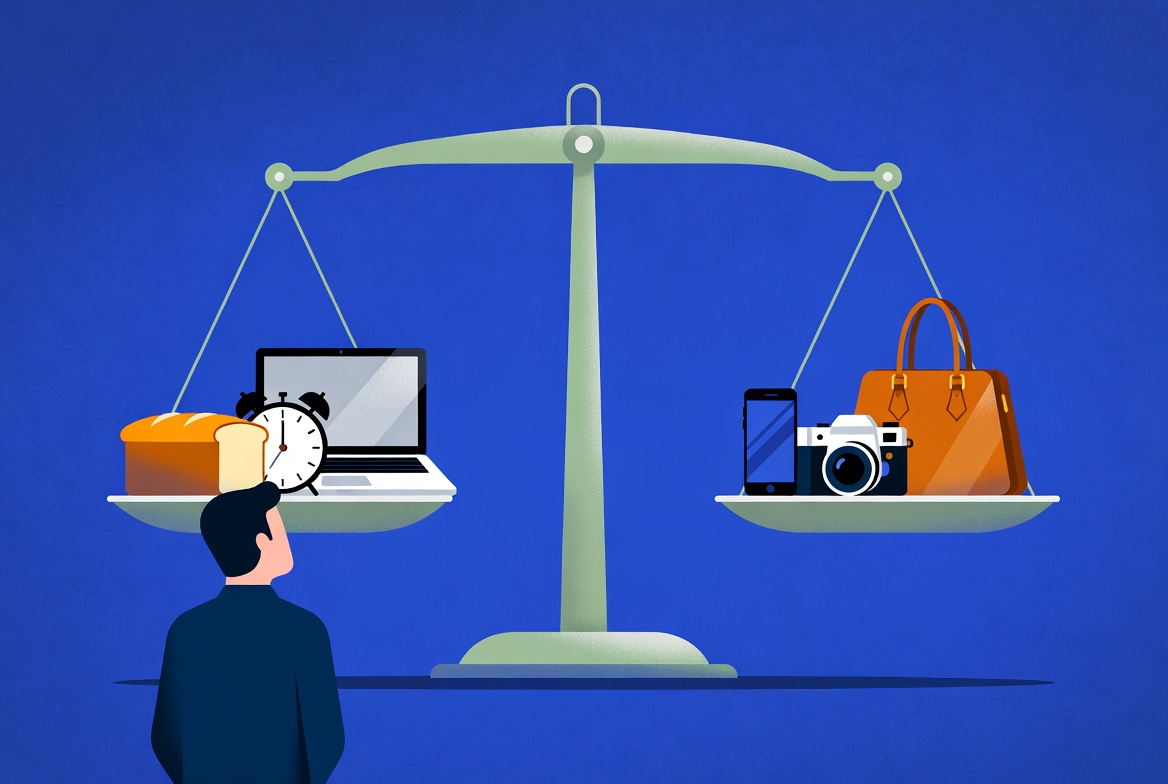
This question removes excitement from the decision and replaces it with clarity. Instead of asking how good the purchase feels, you ask what happens if you do not buy it.
Most wants improve comfort or enjoyment, but they do not reduce quality of life when missing. Needs usually create discomfort or friction when absent.
I found this question especially helpful with upgrades. New versions often feel necessary until you imagine continuing without them.
Signs it may be a need include:
-
Daily inconvenience without it
-
Reduced productivity or health
-
Increased stress or wasted time
If life remains mostly the same without it, it is likely a want.
3. Am I Paying for Convenience or Avoidance
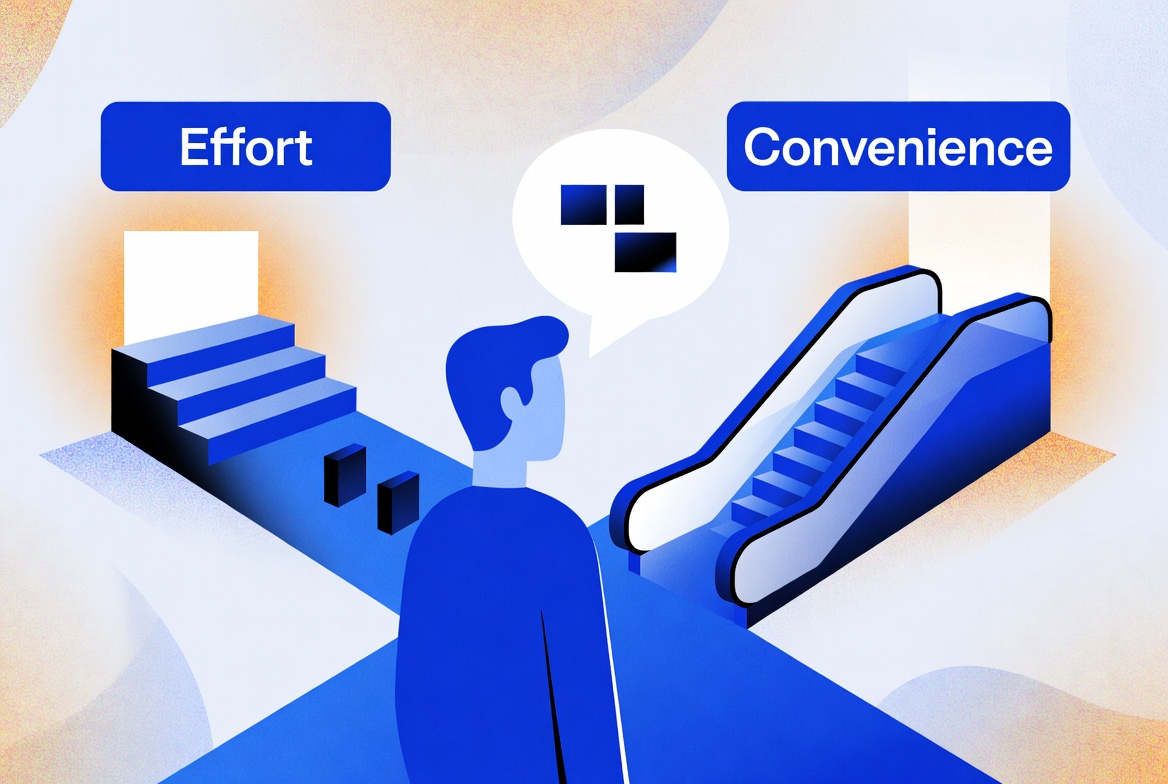
Convenience spending is tricky because it sits between wants and needs. Sometimes convenience is worth paying for, other times it hides avoidance.
We often spend money to avoid discomfort, effort, or learning something new. The purchase feels justified, but the root issue remains.
This question helped me see when money was replacing effort rather than adding value.
Common avoidance purchases include:
-
Tools bought instead of learning basics
-
Subscriptions replacing simple routines
-
Services hired to avoid minor discomfort
Convenience becomes a need only when time, health, or energy are genuinely limited.
4. Is This Purchase Replacing Something I Already Own
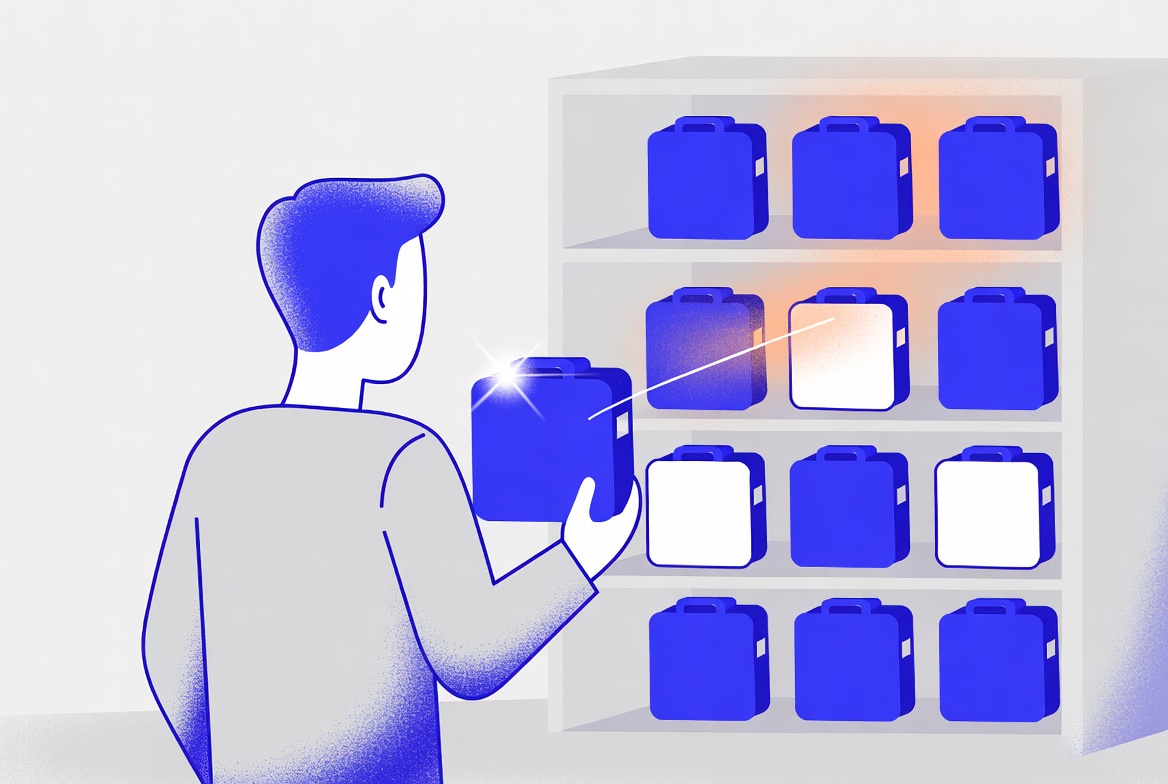
Duplication is one of the quietest money drains. Many purchases are not new needs, they are replacements that were never required.
Before buying something new, I now check what I already own that serves the same purpose. Often, the difference is minimal.
Upgrades feel productive, but they are not always necessary.
Ask yourself:
-
What am I replacing
-
Is the current item broken or just boring
-
Will this change how I actually use it
Replacing for novelty usually signals a want, not a need.
5. How Often Will I Actually Use This
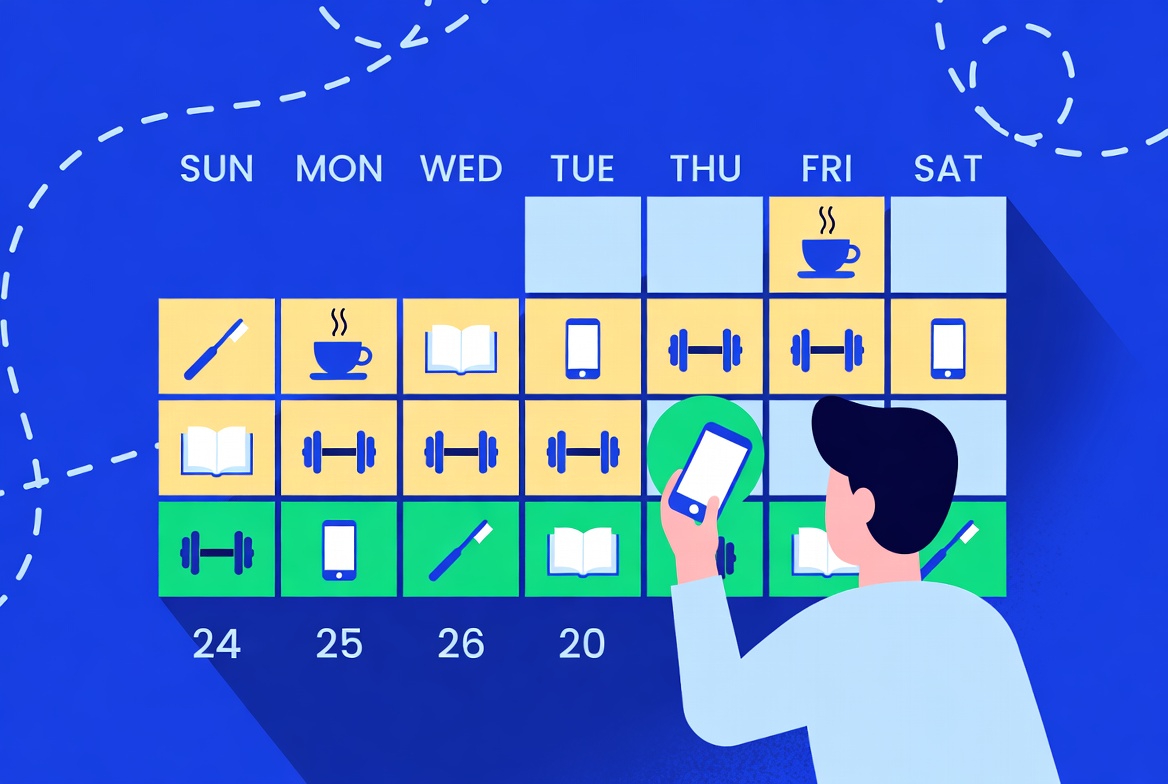
Usage matters more than price. A cheap item used once is more wasteful than an expensive item used daily.
We tend to imagine ideal usage instead of realistic behavior. This gap causes clutter and regret.
I learned to base decisions on past habits, not future intentions.
Helpful questions include:
-
How often will I use this per week
-
Have I used similar items consistently
-
Does this fit into my current routine
Needs integrate naturally into daily life, wants require motivation to justify.
6. Is This Influenced by Emotion or Environment

Emotional spending is not always obvious. It often shows up as boredom, stress, or social pressure rather than excitement.
Environment also matters. Shopping while tired, scrolling late at night, or browsing during sales changes perception.
Once I noticed patterns, I stopped trusting decisions made under emotional influence.
Watch for triggers like:
-
Stressful days
-
Comparison with others
-
Limited-time offers
-
Social media exposure
If emotion is driving the purchase, delay usually brings clarity.
7. What Am I Giving Up by Spending This Money
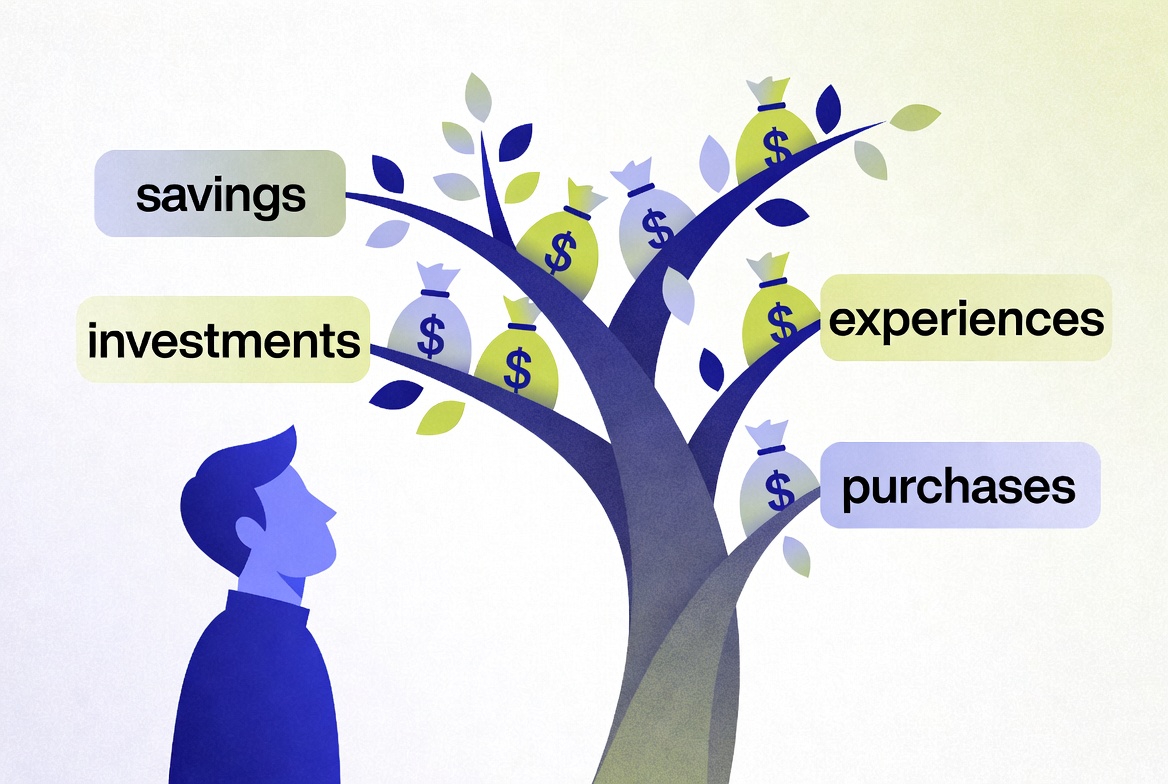
Every purchase costs more than money. It also costs future options.
This question reframes spending as a tradeoff, not a loss. Instead of guilt, it creates awareness.
When you see what the money could do elsewhere, priorities become clearer.
Consider what this purchase replaces:
-
Savings or emergency funds
-
Debt reduction
-
Experiences you value more
-
Long-term security
Needs usually support your future, wants often compete with it.
How to Use This Checklist Before Any Purchase
This checklist works best when used consistently, not perfectly. The goal is not restriction, but reflection.
I use it as a short pause, not a full interrogation. Even asking two or three questions changes outcomes.
The key is timing. Use it before checkout, not after regret sets in.
A simple way to apply it:
-
Pause before buying
-
Ask the first three questions
-
Delay if answers feel unclear
-
Revisit after a day if needed
Clarity improves with repetition, not pressure.
Common Mistakes People Make When Defining Wants and Needs
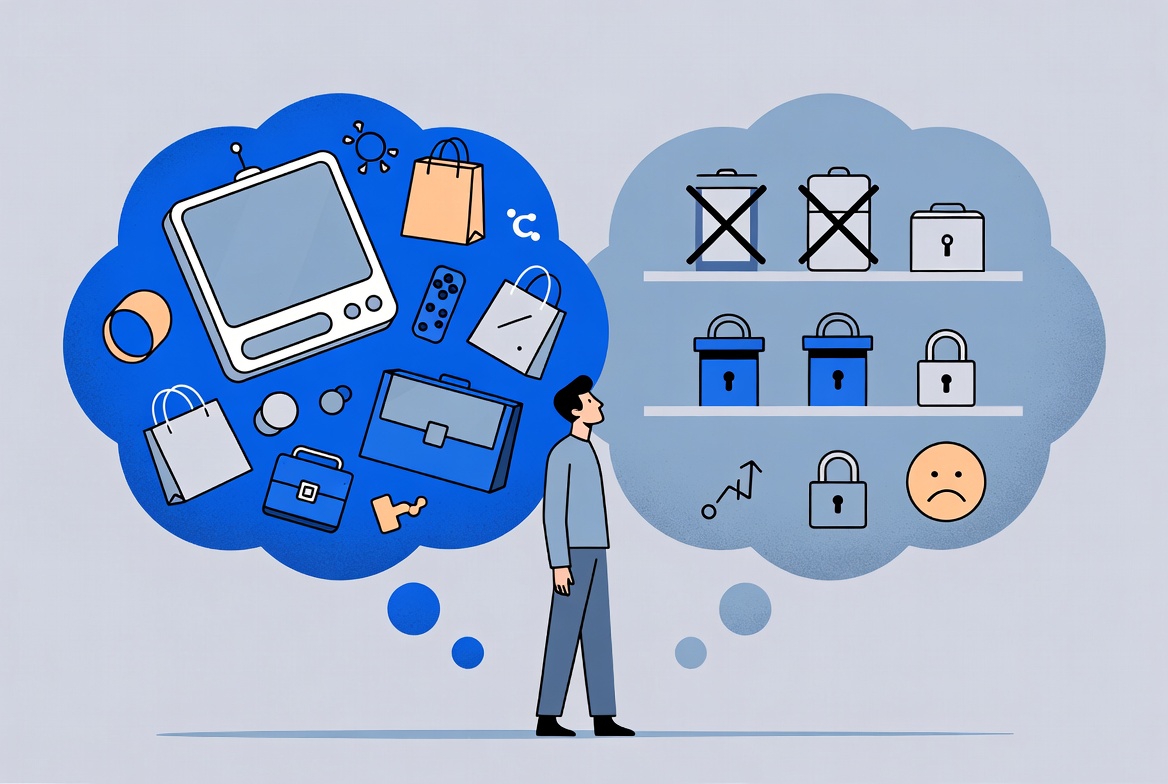
One common mistake is turning every want into a need through justification. We tell ourselves stories to feel better about spending.
Another mistake is overcorrecting and labeling all wants as bad. This leads to deprivation and eventual burnout.
Balance matters more than strict rules.
Common errors include:
-
Ignoring personal context
-
Comparing needs to others
-
Using guilt as motivation
-
Treating discipline as punishment
Healthy spending comes from awareness, not extremes.
Final Thoughts
Learning to separate wants from needs does not remove joy from spending, it removes regret. This checklist is not about saying no to everything, it is about saying yes with clarity.
Over time, better questions lead to better habits, and better habits create financial confidence without constant stress or second guessing.