The First 5 Things to Do After You Lose Money on an Investment
Losing money on an investment hits harder than most people expect. It feels personal, frustrating, and sometimes embarrassing.
I have been there, staring at a loss and wondering what I did wrong. Before you make any move, know this, what you do next matters more than the loss itself.
1. Pause Before You Touch Anything

The first instinct after a loss is usually to act fast. You want to sell, fix, recover, or undo the damage immediately. That urge is emotional, not strategic.
When I experienced my first noticeable loss, my hands were shaking as I hovered over the sell button. Acting in that moment would have locked in regret instead of clarity.
Markets move faster than emotions can process. Giving yourself space prevents one bad moment from turning into a long term mistake.
A pause is not avoidance. It is intentional restraint. It gives your brain time to shift from panic mode to thinking mode.
During this pause, focus on slowing everything down. Do not check prices every hour or scroll through alarming headlines.
Here are simple ways to create that pause.
- Step away from your investment app for a few days
- Avoid financial news and opinion content temporarily
- Remind yourself that nothing requires instant action
- Write down how you feel instead of acting on it
Most bad post loss decisions happen within the first emotional window. Let that window close before you decide anything.
2. Separate the Loss From Your Identity

One of the most damaging reactions to a loss is internalizing it. You start thinking you are bad with money or not cut out for investing.
I made this mistake early on. I did not just lose money, I felt like I failed as a person. That mindset made everything heavier than it needed to be.
An investment loss is an event, not a reflection of your intelligence or worth. Even experienced investors lose money regularly.
When you attach identity to outcomes, every dip feels like a personal judgment. That makes rational thinking almost impossible.
Instead, try to see the loss as data. Something happened, and it can be examined without blame.
To create emotional distance, it helps to reframe your inner dialogue.
- Replace “I failed” with “this investment did not work”
- Remember that loss is common, not unique to you
- Separate effort from outcome
- Talk about it like a business decision, not a flaw
The moment you detach your identity from the loss, you regain control over your next steps.
3. Review What Actually Happened, Not What You Feel Happened
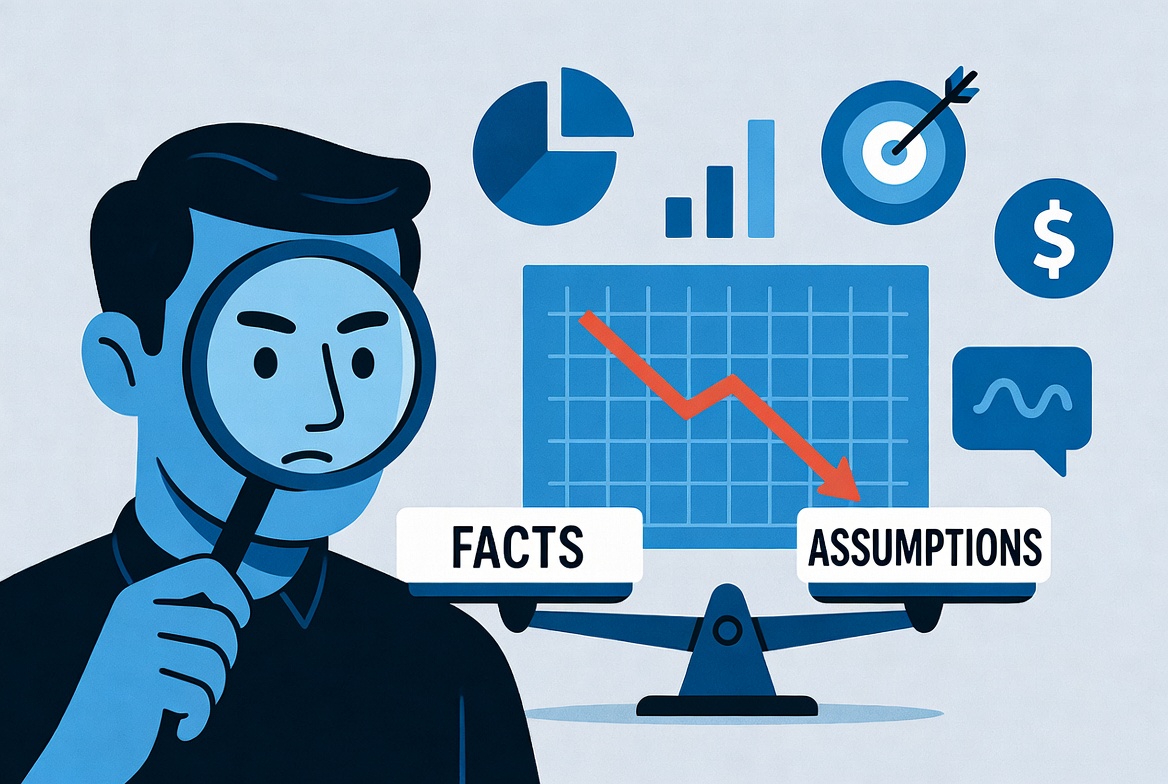
After a loss, emotions fill in gaps with assumptions. It feels like everything went wrong, even when the reality is more nuanced.
I once believed an investment failed because I made a terrible decision. When I reviewed it calmly later, I realized the market itself dropped, not just my pick.
Facts matter more than feelings here. This step is about understanding reality instead of reacting to fear.
Start by looking at what caused the loss. Was it a broad market decline, a company specific issue, or a mismatch between your timeline and the investment?
Avoid headlines and opinions. They often exaggerate drama and push urgency.
Instead, focus on neutral information and your original reasoning.
Ask yourself grounded questions.
- What exactly caused the price to drop
- Has the underlying reason for investing changed
- Was this risk expected from the beginning
- Did anything break the original thesis
This review is not about justifying the loss or blaming yourself. It is about learning accurately so future decisions improve.
4. Revisit Your Original Plan and Time Horizon

Most regret after a loss comes from forgetting why you invested in the first place. In stressful moments, short term movement feels like long term failure.
I learned that many losses felt unbearable simply because I lost sight of my timeline. I reacted as if every dip was permanent.
Go back to your original plan. Look at the goal, the time horizon, and the role this investment played in your bigger picture.
If your plan was long term, short term drops may not matter as much as they feel right now.
Sometimes nothing has changed except the price. Other times, new information genuinely alters the outlook.
This step helps you tell the difference.
Re grounding yourself in the plan brings clarity.
- Check whether your time horizon is still intact
- Review the purpose of the investment
- Confirm whether the risk level still fits your situation
- Decide if the original logic still holds
Many good investments go through uncomfortable phases. Staying aligned with your plan often matters more than reacting to price.
5. Decide on the Next Step With a Clear Head

Only after pausing, detaching emotionally, reviewing facts, and revisiting your plan should you decide what to do next.
At this stage, the decision feels calmer. You are no longer reacting, you are choosing.
There are usually three reasonable options. Hold, adjust, or exit. None of them are automatically right or wrong.
Holding makes sense when the original plan is intact. Adjusting works when your position size or risk feels off. Exiting is reasonable when the thesis no longer holds.
What matters is that the choice aligns with logic, not fear or regret.
When deciding, focus on forward looking thinking.
- What would you do if you were starting fresh today
- Does keeping this investment still make sense
- Would selling now reduce or increase stress long term
- Is this decision based on data or emotion
Clear decisions feel quieter. If the choice feels frantic or rushed, it may be worth waiting longer.
Common Mistakes People Make After a Loss
Even smart investors fall into predictable traps after losing money. Awareness helps you avoid repeating them.
One common mistake is panic selling. You sell just to stop the pain, often near the worst possible moment.
Another is revenge investing. This is when you jump into risky trades trying to win back losses quickly.
Some people swing to the opposite extreme and swear off investing entirely, missing future growth opportunities.
I have made more than one of these mistakes. They all came from acting emotionally instead of intentionally.
Here are patterns worth watching for.
- Making sudden, drastic portfolio changes
- Chasing fast wins to recover losses
- Abandoning a long term strategy overnight
- Letting one loss define your entire approach
Mistakes compound when fear drives them. Slowing down breaks that cycle.
Final Thoughts
Losing money on an investment is painful, but it does not have to be destructive. In many cases, it becomes a powerful teacher. When you pause, separate emotion from identity, review facts, revisit your plan, and choose calmly, you turn a loss into experience.
Over time, these moments build resilience and confidence. Investing is not about avoiding losses completely, it is about learning how to respond when they happen and staying committed to a thoughtful process.