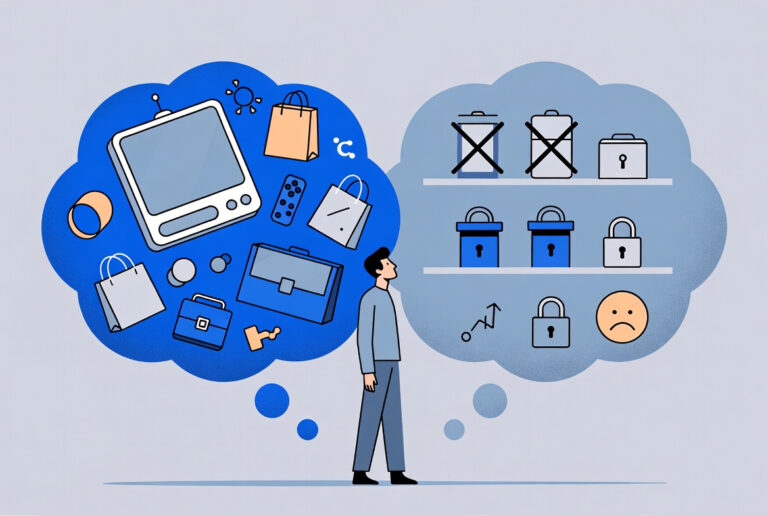
Saving vs Investing: Where Should Your Money Go First?
This question comes up for almost everyone once they start earning consistently. I remember feeling stuck, saving felt safe but slow, investing felt exciting but scary. The right answer depends on timing, not trends.
What Saving and Investing Actually Do for Your Money
Saving and investing are often treated like rivals, but they play very different roles. Saving protects your money, investing grows it. Confusing these roles usually leads to frustration or unnecessary risk.
Saving keeps money accessible and stable. It is there for emergencies, short term goals, and peace of mind. Investing accepts ups and downs in exchange for long term growth.
When I finally understood this difference, the pressure eased. I stopped asking which one was better and started asking which one I needed right now.
When Saving Should Come First
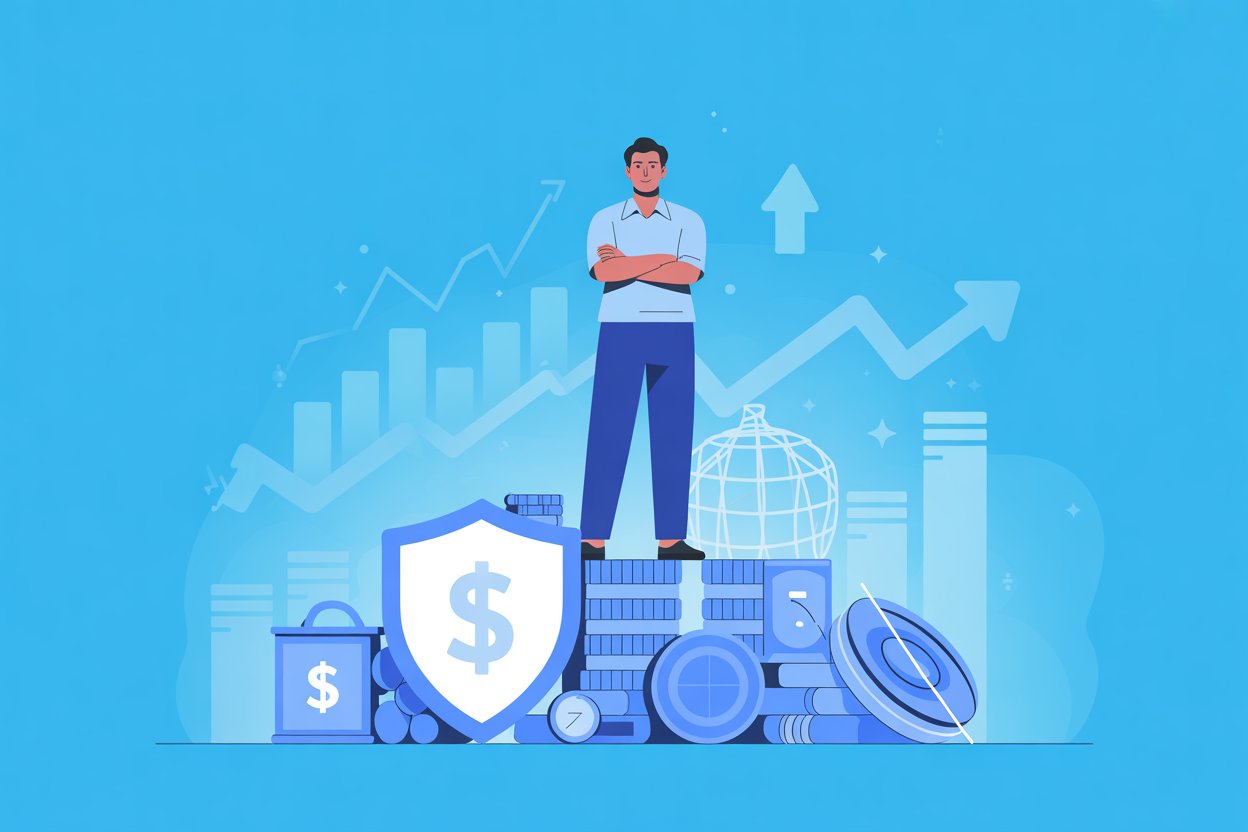
There are seasons where saving is the smartest move, even if investing sounds more exciting. Stability always comes before optimization, especially when your financial foundation is still shaky.
If your income is inconsistent or your expenses feel unpredictable, investing early can add stress instead of confidence. I learned this after pulling money out of investments during a rough patch.
Saving comes first when your financial life needs breathing room, not acceleration.
Situations where saving should be the priority
- No emergency fund yet
- Irregular or unstable income
- High interest debt causing stress
- Upcoming major expenses within a year
In these cases, saving buys you flexibility, which is more valuable than growth.
Why an Emergency Fund Changes Everything
An emergency fund is not exciting, but it quietly protects every other financial decision you make. Without one, even small surprises can derail your plans.
I used to think emergencies were rare. Then real life happened, car repairs, medical bills, sudden travel. Each one would have forced debt or selling investments.
With an emergency fund, you stop reacting and start choosing. That shift alone makes investing easier later.
Aim for progress, not perfection. Even a small buffer changes how you feel about money.
When Investing Makes More Sense Early On
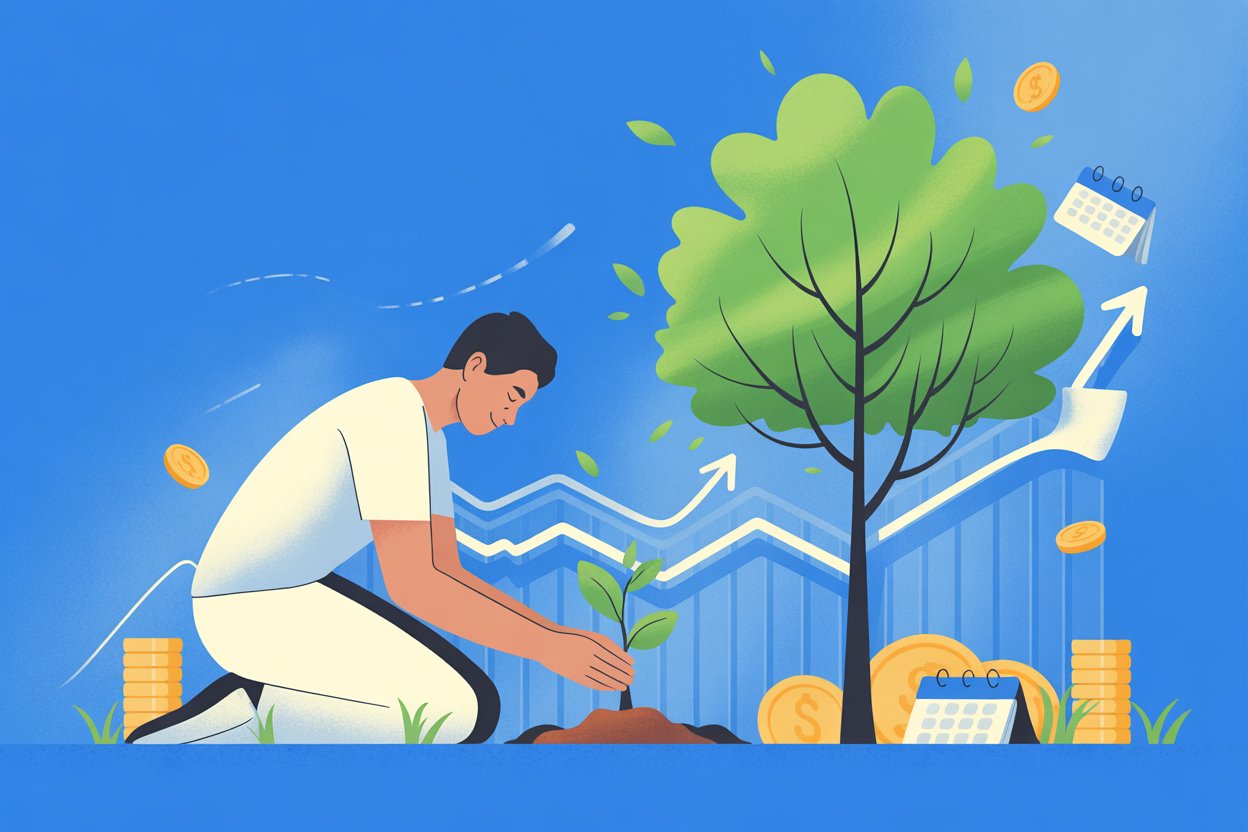
There are times when investing early is not reckless, it is smart. Time is the biggest advantage investors have, especially when starting young or with long horizons.
If your basics are covered and your income is steady, delaying investing too long can cost you more than market swings ever will.
I started small and imperfect, but consistency mattered more than the amount.
Signs you may be ready to invest
- Emergency savings already in place
- Stable monthly income
- Long term goals beyond five years
- Comfort with temporary ups and downs
Investing early does not mean investing aggressively. It means starting intentionally.
How Time Works Harder Than Effort in Investing
Many people overestimate how much effort investing needs and underestimate how much time matters. Small, regular contributions grow quietly in the background.
I used to wait for the perfect moment. Looking back, starting earlier with less knowledge would have been better than waiting for certainty.
Time smooths mistakes, lessons, and market cycles. Effort matters, but patience matters more.
How Risk Tolerance Changes the Decision

Risk tolerance is not just about numbers, it is emotional. Two people can make the same investment and feel completely different about it.
If market drops keep you awake at night, investing too early can backfire. Stress leads to bad decisions like selling at the wrong time.
I learned that peace of mind has real value. Your strategy should help you sleep, not constantly check prices.
Knowing yourself matters as much as knowing the market.
Using Both at the Same Time Without Feeling Stuck
Saving and investing do not have to be all or nothing. Most people benefit from doing both, even if one gets more attention at different times.
Splitting your money with intention reduces pressure. You are building safety and growth at the same time.
This approach helped me stop feeling behind. Progress felt steady instead of fragile.
Simple ways to balance both
- Save a fixed percentage automatically
- Invest a smaller amount consistently
- Increase investing as savings grow
- Adjust ratios during life changes
Balance creates momentum without overwhelm.
Why Starting Small Is Better Than Waiting

Waiting feels responsible, but it often turns into procrastination. Starting small builds confidence, habits, and understanding.
My first investments were tiny and imperfect. That was fine. They taught me how markets move and how I react emotionally.
Small steps reduce fear. Once fear shrinks, clarity grows.
You do not need a perfect plan to begin, just a reasonable one.
Common Mistakes People Make When Choosing Between Saving and Investing
Most mistakes come from copying advice without context. What works for one person can be wrong for another depending on timing and stability.
I made mistakes by investing money I might need soon and saving too much without a clear goal.
Learning usually comes from experience, but awareness helps you avoid costly lessons.
Mistakes to watch out for
- Investing emergency money
- Saving endlessly without purpose
- Chasing trends instead of goals
- Ignoring emotional comfort
Avoiding these keeps your strategy sustainable.
How Debt Fits Into the Decision
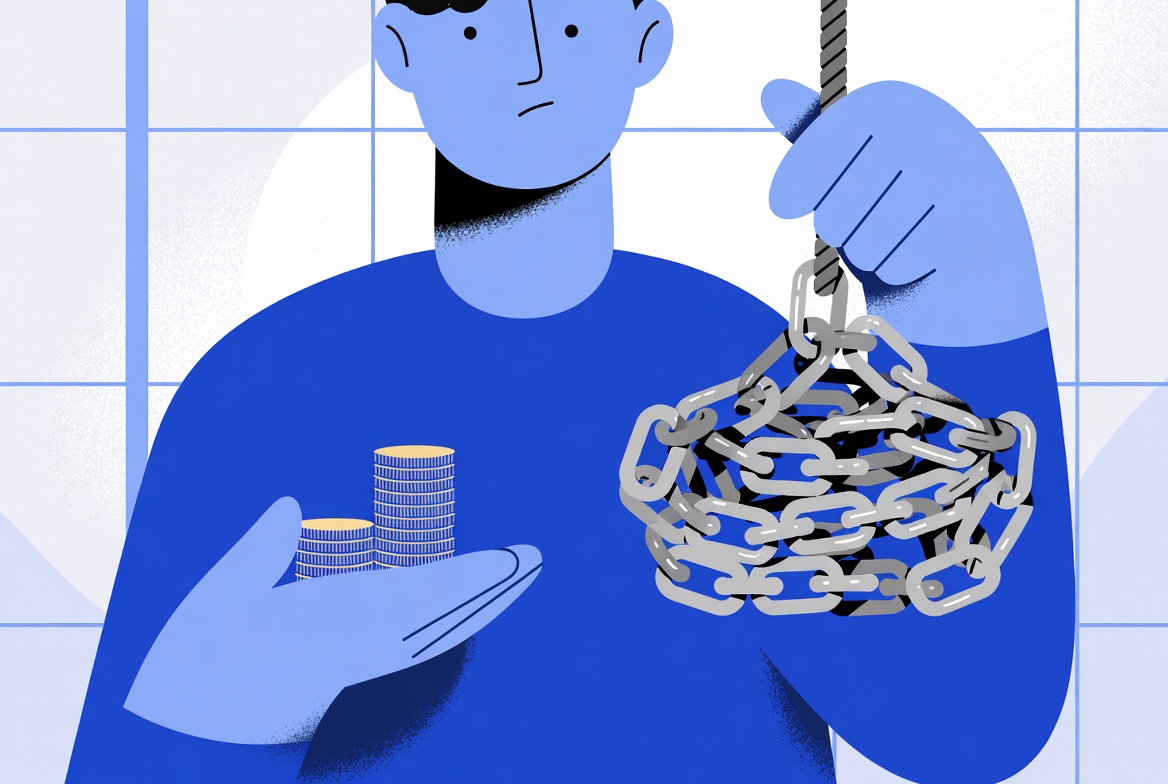
Debt complicates the saving versus investing question. Not all debt is equal, and context matters.
High interest debt often deserves attention before investing because the guaranteed cost outweighs potential returns. Low interest debt may coexist with investing.
I focused on reducing stressful debt first. That mental relief made every other decision easier.
Debt is not just a math problem, it is an emotional one.
A Simple Framework to Decide What to Do First
Decision fatigue makes money feel harder than it is. A simple framework can remove that pressure.
Instead of asking what you should do, ask what your money needs most right now.
Questions to guide your decision
- Would an emergency break me financially
- Is my income stable and predictable
- How soon might I need this money
- Can I handle short term losses calmly
Your answers point toward saving, investing, or a mix.
How Life Stages Affect the Right Choice
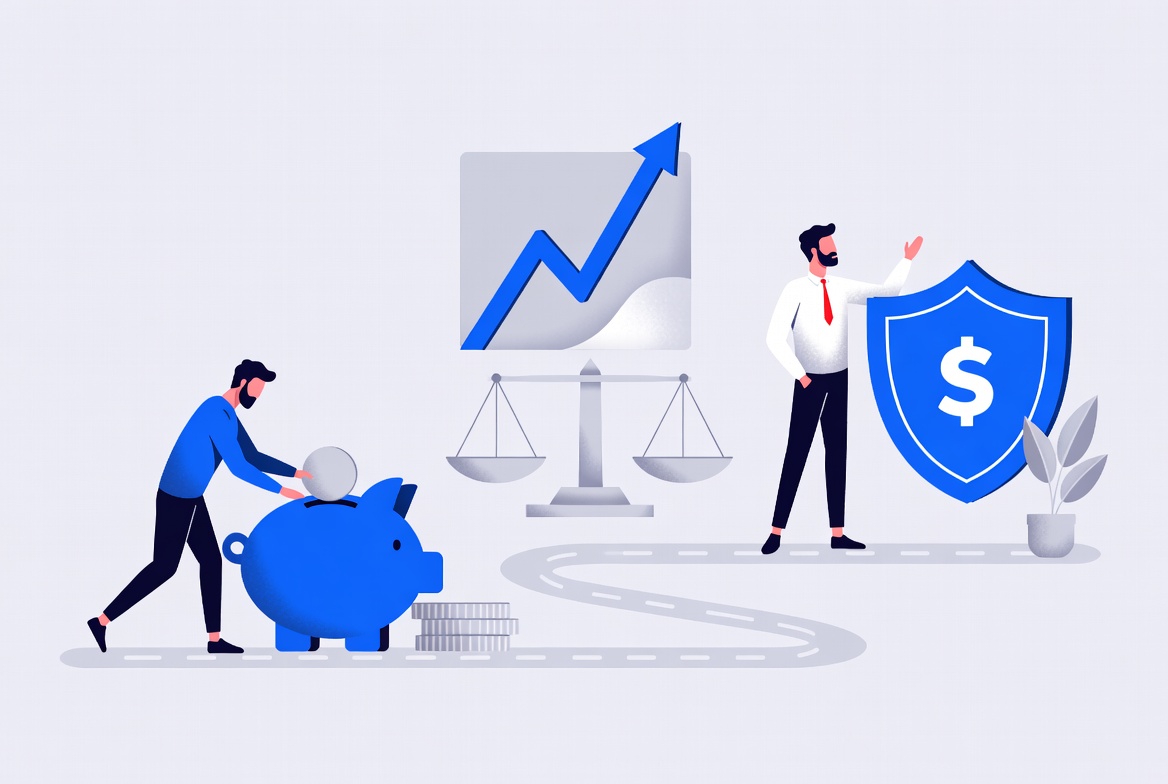
Money decisions change as life changes. What made sense at one stage may not fit another.
Early careers often benefit from building savings and habits. Mid stages balance growth and stability. Later stages focus more on preservation.
I stopped judging past decisions once I saw them as stage specific, not mistakes.
Your strategy should evolve with you.
Why Flexibility Matters More Than Optimization
Many people chase the perfect strategy and end up stuck. Flexibility beats optimization every time.
A good plan you can adjust is better than a perfect plan you avoid. Life will change your numbers whether you want it to or not.
I revisit my approach regularly without guilt. Adjusting means you are paying attention.
Money should support your life, not trap it.
Final Thoughts
Saving and investing are not competitors, they are partners with different jobs. The right place for your money depends on your stability, goals, and comfort level.
Start where you are, build gradually, and allow your strategy to evolve. Progress comes from alignment, not rushing or copying someone else’s timeline.