Realistic Wealth-Building Timelines for Ordinary People
For a long time, I thought wealth was something that happened suddenly to lucky people. Over time, I realized most real wealth is slow, quiet, and built through ordinary actions repeated for years, not dramatic breakthroughs.
The First 1–3 Years: Building the Base
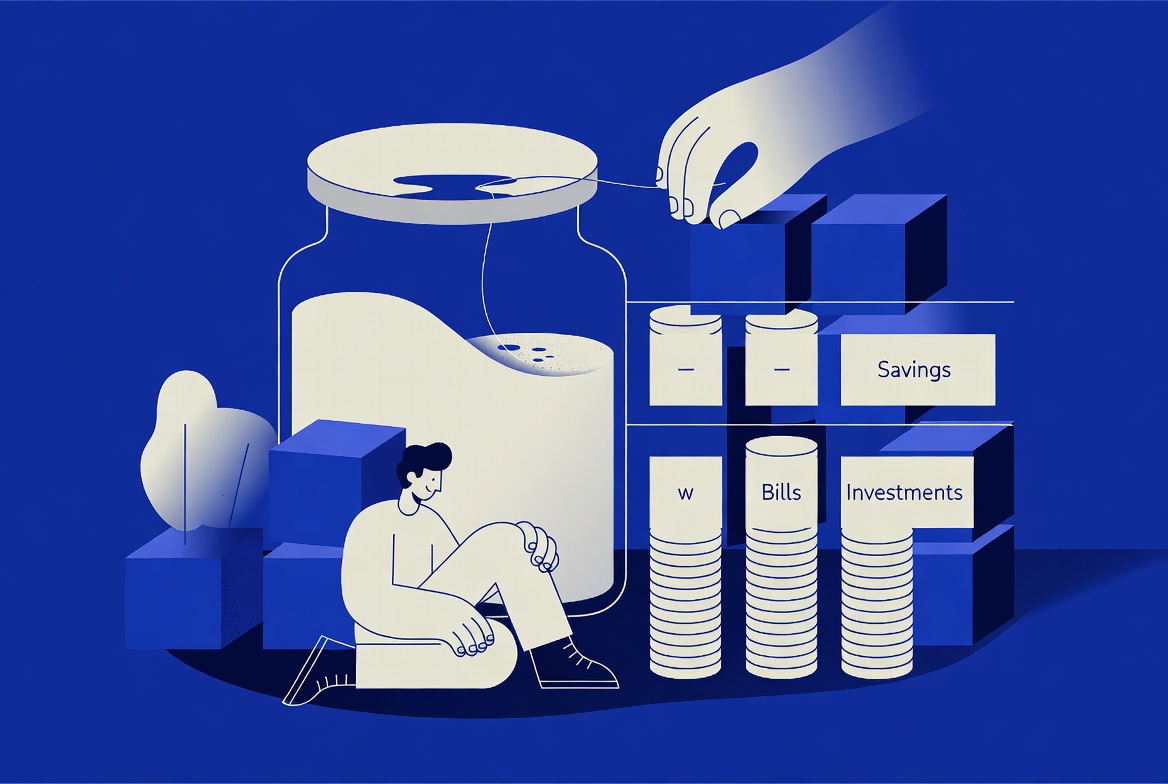
This phase is where most people underestimate the work and overestimate the reward. Wealth does not grow here, stability does. You are clearing friction, not stacking money yet.
During these early years, progress often feels invisible. Most effort goes toward stopping financial leaks, fixing habits, and learning how money actually behaves in your life.
You are not behind if nothing looks impressive yet. This stage is about control, not comfort.
What Progress Really Looks Like in Years 1–3
You start to notice patterns instead of reacting blindly. Money becomes something you manage, not something that surprises you constantly.
You may still feel tight financially, but the chaos reduces. That reduction is the first real win.
-
Fewer emergencies feel catastrophic
-
You know where your money goes
-
You recover faster from setbacks
Why This Phase Feels Slow but Matters Most
Foundations are boring by design. They exist to hold weight later. Skipping this phase usually leads to collapse when income or investments increase.
Most people quit here because effort does not match visible reward yet. Those who stay build resilience others never develop.
Years 3–7: Momentum Starts to Show
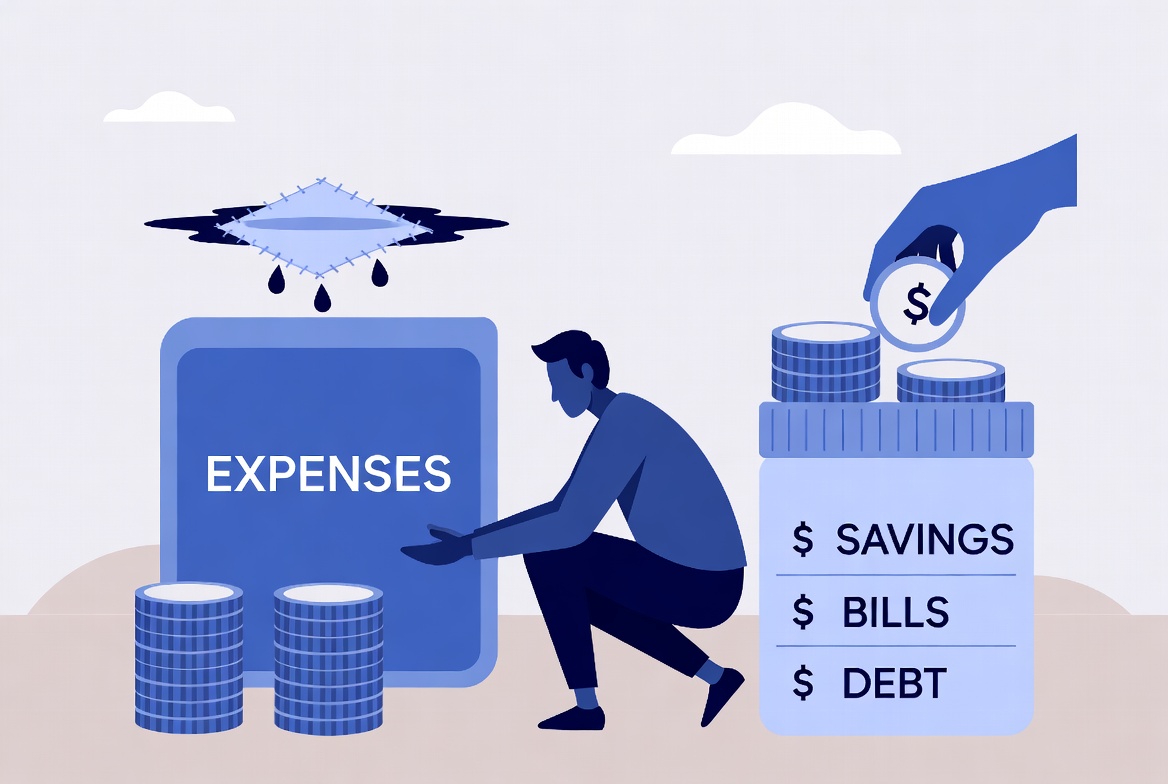
This is the phase where effort finally starts echoing back. Systems built earlier require less mental energy, and consistency becomes easier to maintain.
You are no longer guessing. You have proof that your approach works, even if results are still modest.
This phase feels encouraging but also dangerous. Confidence rises, which can tempt people to rush.
How Momentum Actually Builds in This Stage
Compounding becomes noticeable, not dramatic, but real. Progress feels steadier instead of fragile.
Mistakes still happen, but they do not knock you off course as easily.
-
Savings grow without constant stress
-
Investments start showing meaningful movement
-
Money decisions feel less emotional
The Quiet Confidence Shift
You stop needing external validation. You trust your process because you have lived through results.
This confidence reduces impulsive decisions. You no longer feel pressure to chase every new opportunity.
Many people sabotage themselves here by changing strategies too quickly. Staying boring is often the winning move.
Years 7–15: Wealth Feels Real
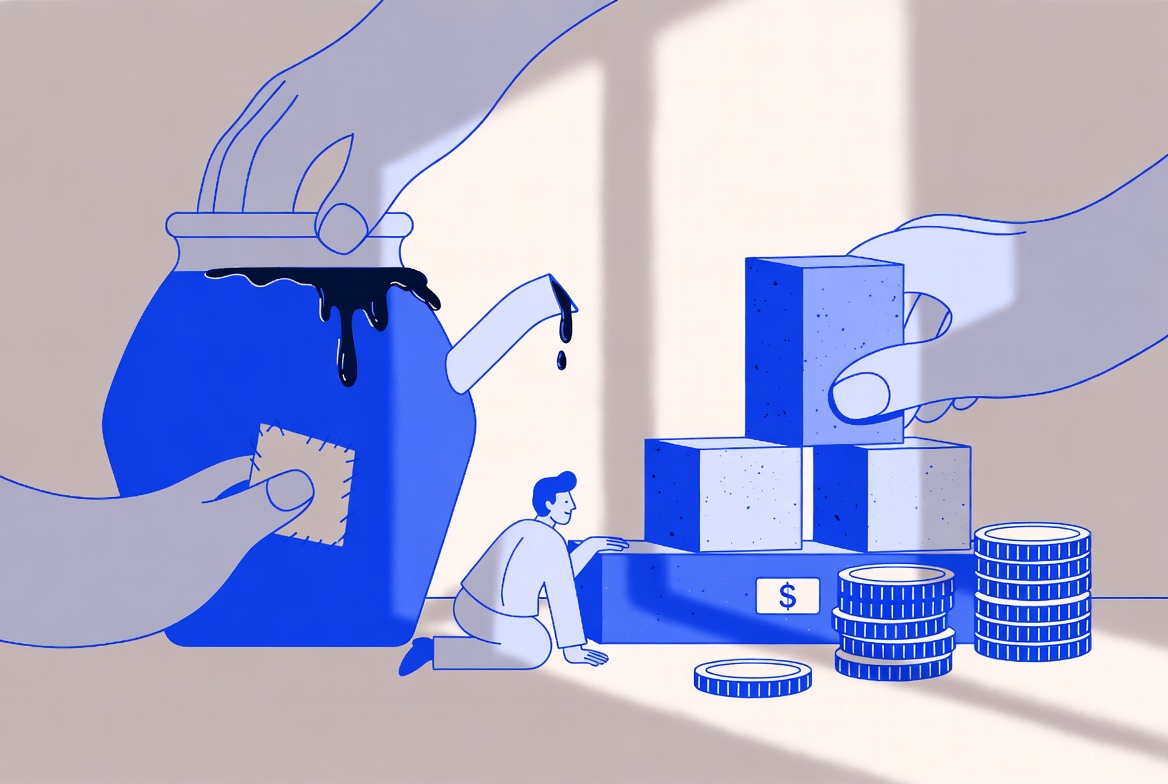
This phase is where wealth stops feeling theoretical. You may not feel rich, but you feel capable, protected, and flexible.
Money begins to serve your life instead of controlling it. That shift is subtle but powerful.
You notice that time is doing more work than effort now.
What Changes Emotionally in This Phase
Financial stress fades into the background. Decisions are made from preference instead of urgency.
You think longer term because you can afford to.
-
Stronger sense of security
-
More freedom in career decisions
-
Less fear around market or income changes
Why Patience Pays Off Here
Years of consistency compound quietly until results feel disproportionate to effort. That is not luck, it is delayed reward.
This phase rewards those who resisted shortcuts earlier. The discipline you barely noticed building now protects everything you have created.
Why Wealth Feels Slower Than Expected
Wealth feels slow because progress is invisible at first. Early effort mostly fixes problems rather than creating abundance. That phase feels unrewarding, even though it is doing the most important work.
Another reason is comparison. When you measure your progress against highlight reels online, steady growth feels like failure. The timeline looks longer only because expectations were never realistic.
The Problem With Internet Success Timelines
Online stories compress time. Ten or fifteen years of effort are presented as one lucky moment. That distortion makes normal progress feel disappointing.
Most people skip sharing the boring middle. They share outcomes, not routines. Without context, it feels like everyone else is moving faster, even when they are not.
What Wealth Really Looks Like for Most People

For ordinary people, wealth looks like stability before luxury. It feels like less stress, more choice, and fewer emergencies rather than flashy spending.
Wealth often shows up quietly. Bills get easier to handle. Savings stop feeling fragile. Decisions feel less urgent and more intentional.
Stability Before Abundance
Before wealth grows, life must stop leaking money. That phase involves fixing habits, managing cash flow, and reducing constant financial pressure.
Stability creates space. Without it, any extra money disappears into problems instead of building long term value.
Why Quiet Progress Matters
Quiet progress compounds. Loud progress usually burns out. Small improvements repeated consistently build momentum that looks unimpressive early but becomes powerful over time.
- Fewer financial surprises
- Better decision making
- Growing confidence
Common Timeline Mistakes That Delay Wealth
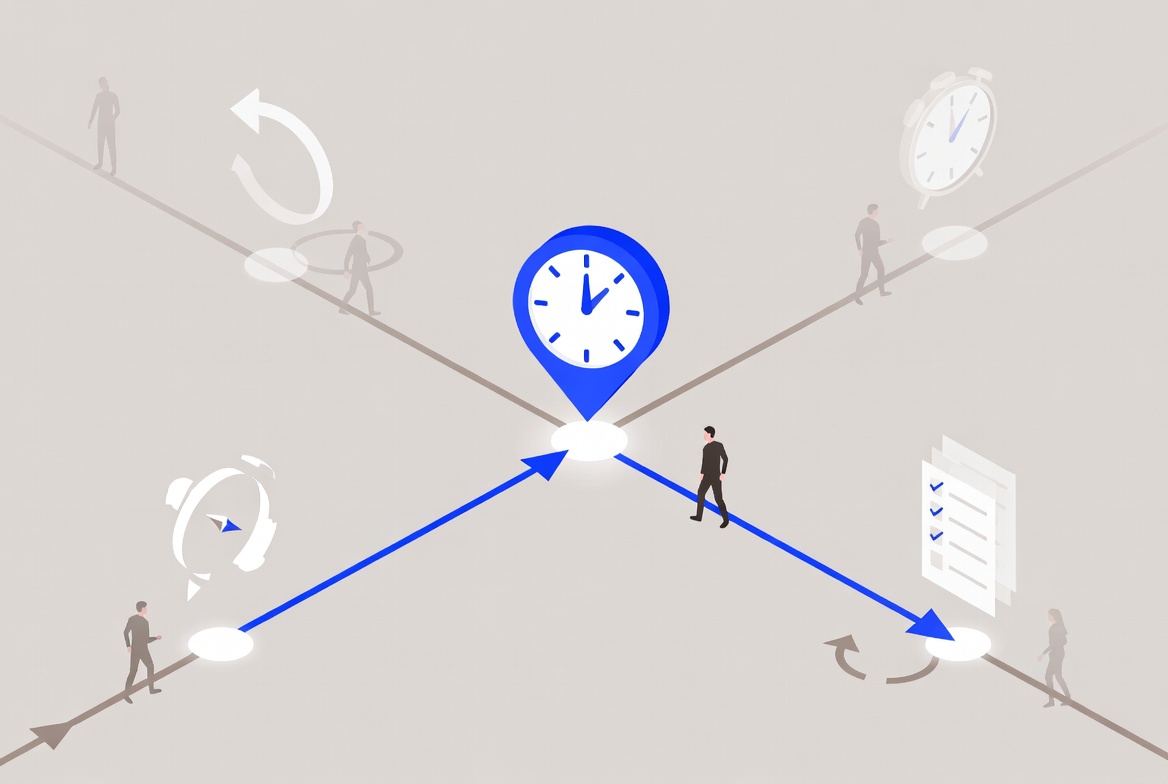
Most people do not fail to build wealth because they do nothing. They fail because they repeat small mistakes that quietly stretch the timeline without feeling dramatic in the moment.
These mistakes feel reasonable short term. Over time, they become expensive.
Chasing Speed Instead of Direction
One of the biggest mistakes is trying to move fast instead of moving correctly. Speed feels productive, but direction determines whether effort compounds or cancels itself out.
People chase shortcuts because slow progress feels uncomfortable. Unfortunately, fast moves often introduce risk, stress, and instability that undo earlier gains.
-
Jumping into complex investments too early
-
Increasing lifestyle before income stabilizes
-
Taking on risk without understanding it
Restarting Instead of Sticking
Restarting feels like action. In reality, it resets progress. Each restart delays compounding and erodes confidence.
Switching systems, strategies, or goals too often prevents momentum from forming. Wealth rewards continuity more than novelty.
-
New budget every month
-
Changing investment plans frequently
-
Abandoning strategies during slow periods
Underestimating the Power of Time
Many people assume effort matters more than time. They try to compress years of growth into months.
Time is not passive. It multiplies whatever behavior you repeat. Ignoring this leads to unrealistic expectations and frustration.
Wealth timelines stretch when people expect immediate confirmation that they are doing things right.
Waiting to Feel “Ready”
Readiness feels responsible, but it often masks fear. Many people delay action until they feel confident, knowledgeable, or secure.
Confidence usually comes after starting, not before. Waiting delays learning and compounding at the same time.
-
Waiting for higher income
-
Waiting for perfect clarity
-
Waiting for less risk
Comparing Your Timeline to Someone Else’s
Comparison distorts perception. You see outcomes without context and assume your pace is wrong.
Most success stories skip early years, setbacks, and advantages. Comparing timelines leads to discouragement and unnecessary changes.
-
Different starting points
-
Different income levels
-
Different life responsibilities
Confusing Activity With Progress
Being busy does not mean moving forward. Constant adjustments can feel productive while delivering little progress.
Wealth grows from consistency, not constant motion. Simplifying often accelerates results more than adding complexity.
Final Thoughts
Real wealth building is not dramatic. It is repetitive, ordinary, and patient. The timeline is longer than most people expect, but the process is simpler than advertised.
When you align expectations with reality, progress feels calmer and more sustainable. Ordinary people build wealth by staying consistent through unexciting years and trusting that time will reward steady effort.