5 Sneaky Ways Your Grocery Budget Leaks Money (And How to Fix It)
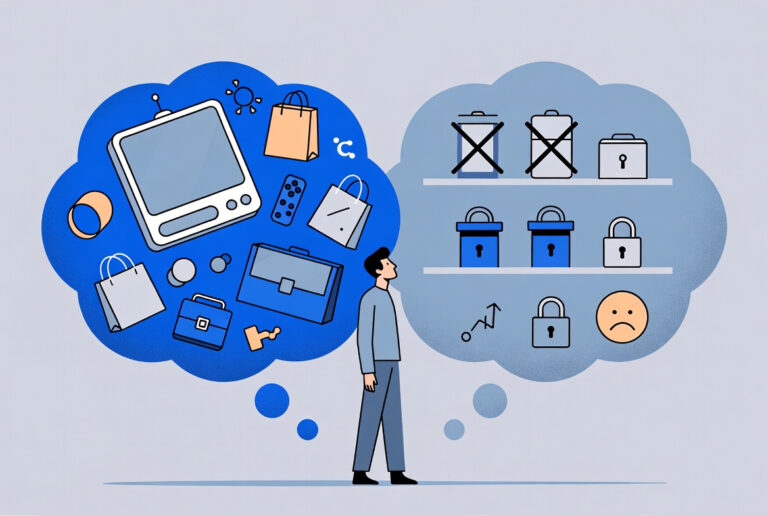
If your grocery spending always feels higher than expected, you are not alone. I used to wonder how a quick store run turned expensive so fast. The truth is, grocery leaks are quiet, habitual, and easy to miss unless you know where to look.
1. Shopping Without a Clear Meal Plan

Walking into a grocery store without a plan almost guarantees overspending. When meals are not decided ahead of time, every aisle becomes a place to negotiate with hunger, cravings, and convenience.
I learned this the hard way. On weeks I skipped planning, I bought random ingredients that did not come together, which led to extra trips, more spending, and wasted food by week’s end.
A meal plan does not need to be rigid or fancy. It just needs to answer one question before you shop, what am I actually eating this week?
Simple ways to plan without overthinking
- Choose three main meals you know you will cook
- Repeat easy breakfasts and lunches
- Build snacks around what you already have
- Plan meals that share ingredients
When meals are decided first, the grocery list becomes focused. You stop shopping for ideas and start shopping with intention.
2. Buying Convenience Items That Replace Planning
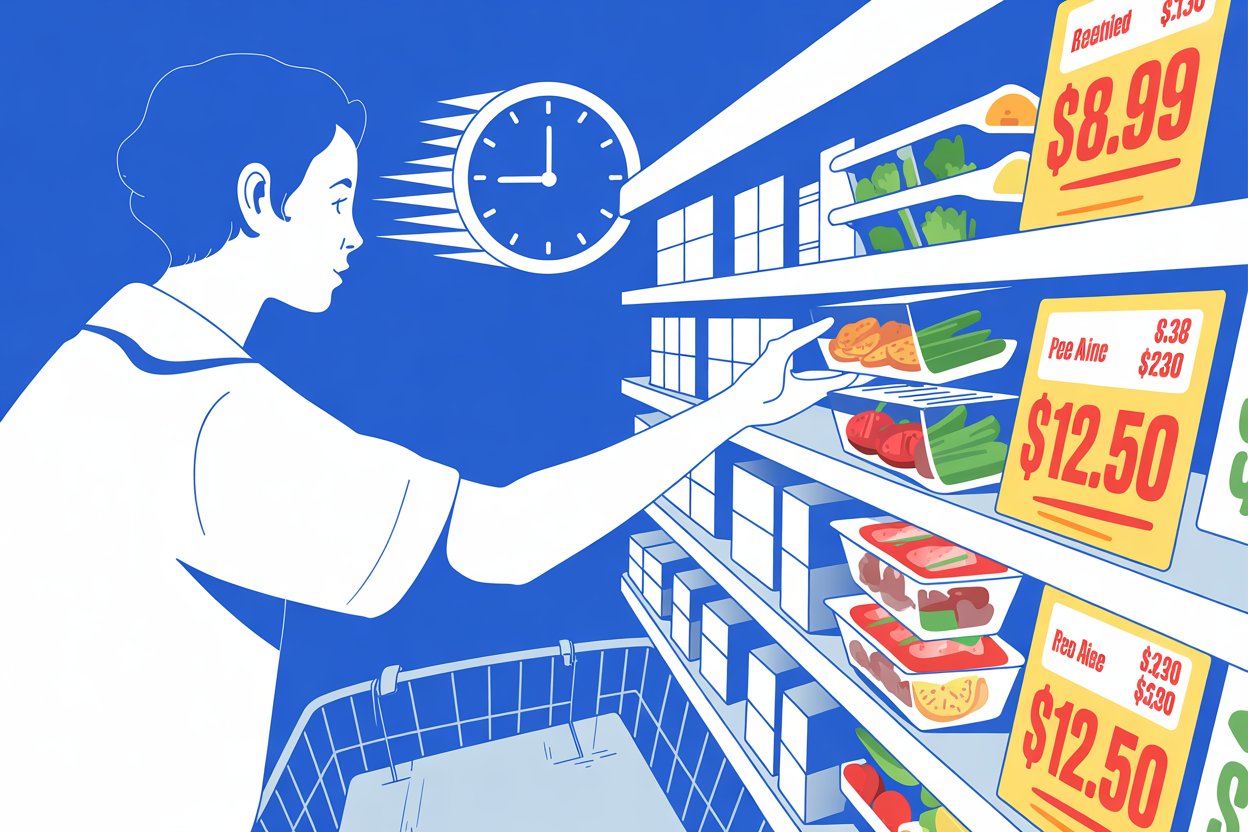
Convenience foods feel like small upgrades, but they quietly drain your budget. Pre chopped vegetables, single serve snacks, and ready to cook meals often cost double or more than their basic versions.
I used to justify these items by telling myself I was paying for time. Sometimes that is true, but most of the time I realized I was paying for skipped planning instead.
The real cost shows up when convenience becomes the default, not the exception. Those extra dollars stack up fast over weeks and months.
Common convenience costs people overlook
- Pre sliced fruits and vegetables
- Individually packaged snacks
- Pre marinated meats
- Ready to heat meals
Convenience can be helpful on busy weeks, but it should be a tool, not a habit. Planning one simple prep session can replace several overpriced shortcuts.
3. Falling for Store Layouts and Psychological Triggers
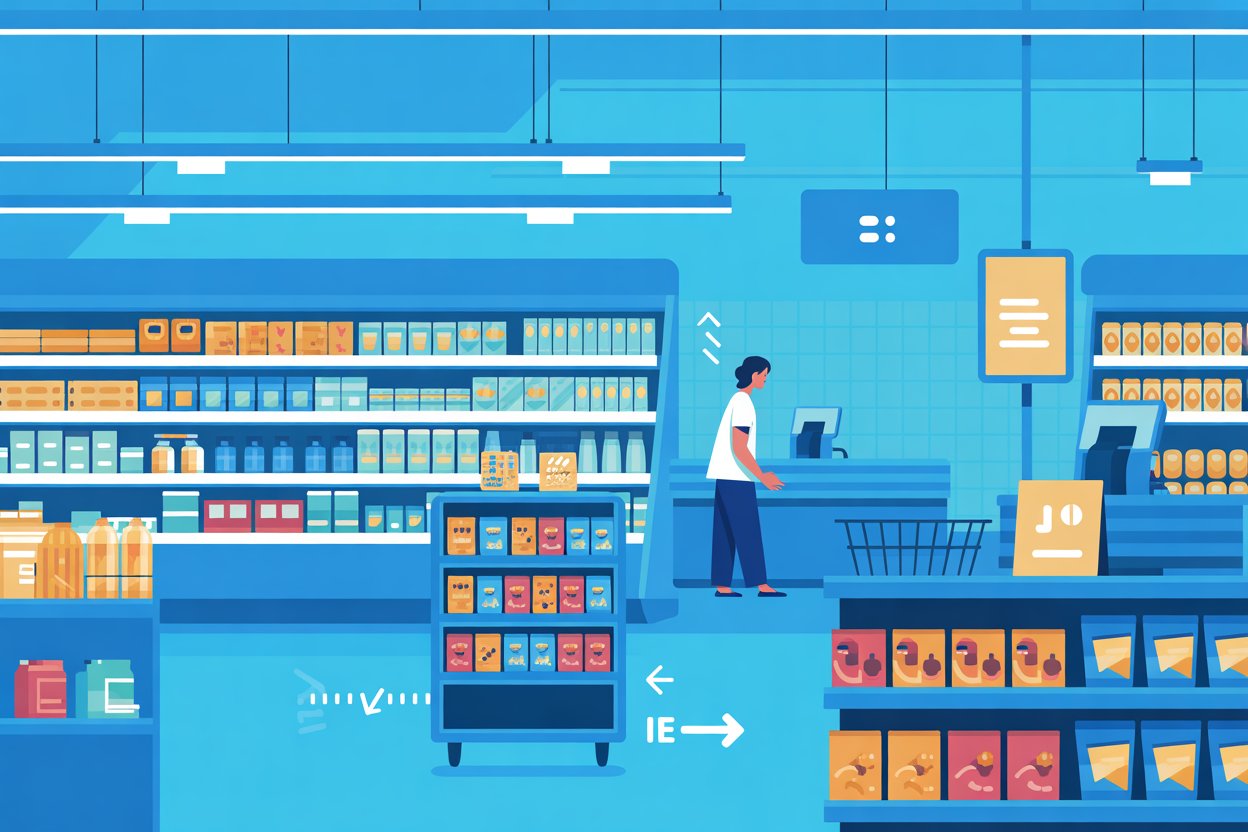
Grocery stores are designed to make you spend more, not to help you save. The layout, lighting, music, and even smells are carefully chosen to slow you down and encourage impulse buys.
Once I noticed this, shopping felt different. End caps, checkout displays, and eye level shelves are all premium real estate meant to catch your attention when your guard is lowest.
Impulse spending rarely feels like a big decision. It feels like one extra item that somehow ends up repeated every trip.
Common psychological triggers in stores
- Sale signs without real discounts
- Items placed at eye level
- Snacks near checkout lines
- Limited time or seasonal displays
The fix is awareness, not willpower. When you expect these tactics, they lose their power and become easier to ignore.
4. Overbuying Fresh Foods That Go to Waste
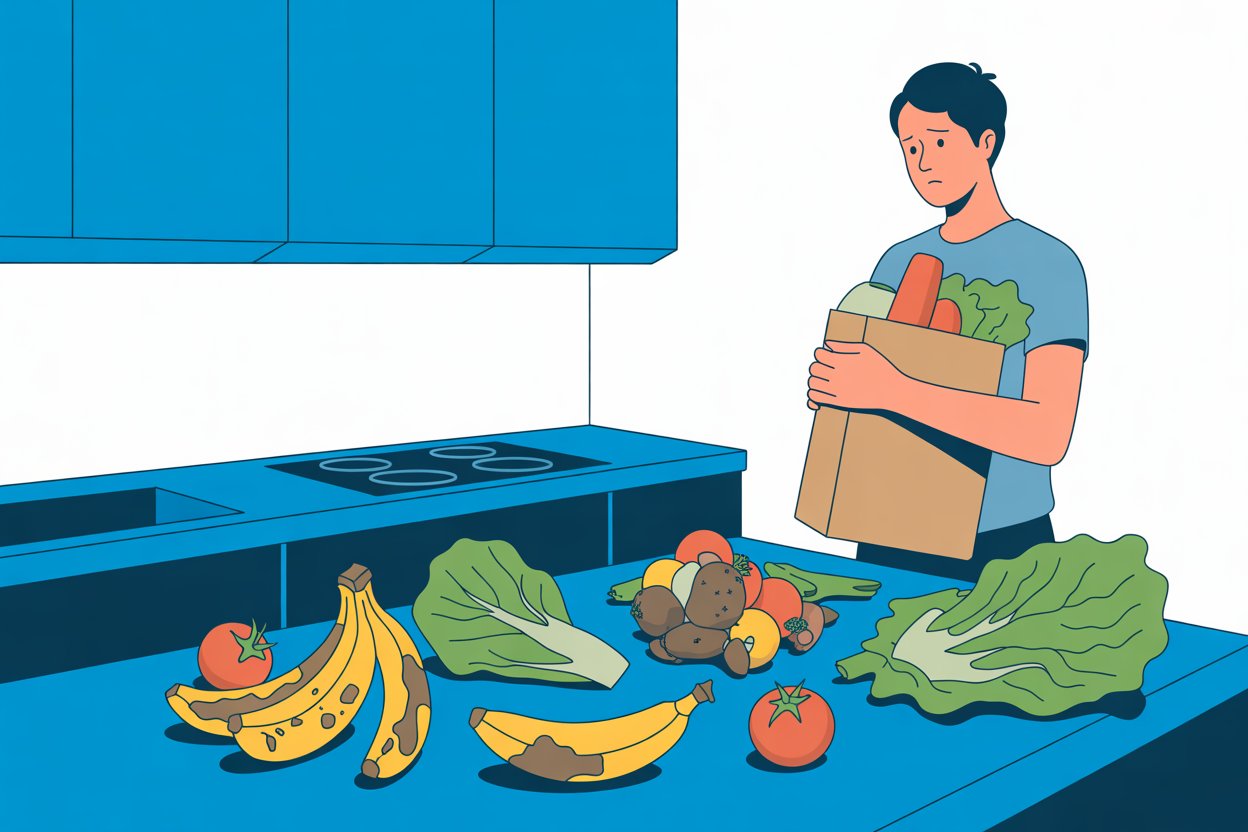
Food waste is one of the most painful grocery leaks because you pay for it and get nothing in return. Fresh produce, dairy, and baked goods are the most common victims.
I used to buy produce with good intentions, imagining healthier meals I never had time to cook. By the end of the week, those items became compost instead of dinner.
Buying less but using more is the real goal. A smaller haul that gets eaten beats an ambitious cart that ends up forgotten.
Ways to reduce fresh food waste
- Buy produce for specific meals, not ideas
- Choose frozen options for backup
- Store foods properly to extend freshness
- Plan one leftover or flexible meal
When waste goes down, grocery spending improves without cutting enjoyment.
5. Ignoring Price Changes and Product Swaps

Prices change quietly. Package sizes shrink. Ingredients shift. Brand loyalty can keep you paying more without noticing.
I once compared my usual items to store brands out of curiosity and realized how much I was overpaying for familiarity, not quality.
Being flexible is one of the most powerful grocery skills you can learn. Swapping brands or stores occasionally keeps prices honest and your budget healthier.
Hidden price changes to watch for
- Smaller packages at the same price
- New versions with less product
- Brand name markups on basics
- Sales that require buying more
Checking unit prices instead of shelf prices helps reveal the real cost.
Simple Fixes That Protect Your Grocery Budget
Fixing grocery leaks does not require extreme budgeting or cutting foods you love. It works best when you build small systems that reduce decision fatigue.
I stopped trying to shop perfectly and started shopping consistently. That shift made everything easier.
Budget friendly systems that work
- Shop with a short, specific list
- Eat before shopping to avoid impulse buys
- Limit store trips to once per week
- Keep a running list of staples at home
These systems remove temptation before it shows up.
How to Track Grocery Spending Without Obsession
Tracking groceries does not mean logging every receipt or calculating every cent. Over tracking often leads to burnout and avoidance.
What helped me was using simple signals instead of detailed tracking. I looked for patterns rather than perfection.
Low effort tracking ideas
- Set a weekly grocery range, not a fixed number
- Review totals once a month, not daily
- Notice which trips go over budget and why
- Track waste, not just spending
Awareness creates change naturally when it is not overwhelming.
How Grocery Habits Connect to Bigger Money Wins
Grocery spending is one of the easiest places to improve because it happens often. Small changes repeat weekly, which makes their impact bigger over time.
When I fixed my grocery habits, other money decisions became easier too. I felt more in control, less reactive, and more intentional overall.
The skills you build here transfer into other areas like subscriptions, dining out, and impulse spending.
Final Thoughts
Your grocery budget is not broken, it is leaking in quiet, predictable ways. Once you see those leaks, fixing them feels surprisingly manageable. Focus on awareness, simple systems, and consistency.
You do not need to spend less perfectly, you just need to spend more intentionally. Over time, those small choices turn into real savings without sacrificing comfort or enjoyment.