Online Business Opportunities: 7 Industries Overlooked by Entrepreneurs
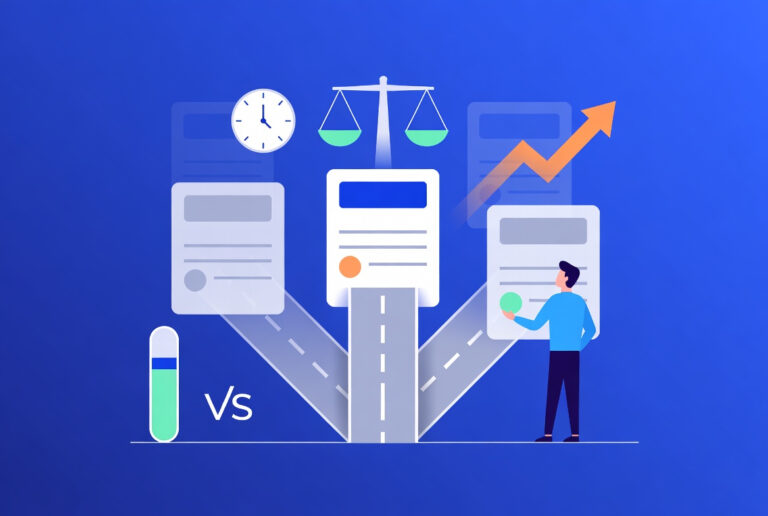
Most people chase online business ideas that already feel crowded. I have noticed that real opportunity often lives in quieter places, where problems are boring, demand is steady, and competition is low. These overlooked industries may not look exciting, but they pay consistently.
1. Local Service Support Businesses Moving Online

Many local service businesses are excellent at their craft but terrible with digital tasks. Plumbers, cleaners, electricians, and repair services often struggle with scheduling, emails, invoices, and online visibility.
I have worked with local businesses that had more work than they could handle, yet still lost clients because of poor organization. Supporting them online solves real pain points.
This industry works because local services rarely disappear. People always need repairs, cleaning, and maintenance, regardless of trends or economic shifts.
Support can take many forms, depending on your skills and tools.
- Appointment scheduling and calendar management
- Invoice creation and payment follow ups
- Website updates and basic online presence
- Customer email and message handling
You are not replacing their work. You are making their work easier, which makes this industry quietly powerful.
2. Niche Education for Practical, Everyday Skills

Online education is often associated with big platforms and broad topics. What many entrepreneurs miss is the demand for very specific, practical skills.
People want to learn how to do things that improve their daily lives or jobs, not just earn certificates. These niches are smaller but highly motivated.
I once helped create a simple course around a very narrow workplace skill. The audience was small, but they were willing to pay because the skill saved them time immediately.
Niche education works best when it focuses on application, not theory.
Here are examples of practical skills people pay to learn.
- Using specific software tools efficiently
- Managing paperwork or reporting tasks
- Improving communication in a particular role
- Learning processes unique to certain industries
Small audiences with real problems often convert better than large audiences with casual interest.
3. Process Automation for Small Businesses

Many small businesses run on manual processes that waste time every day. Owners know it, but they often lack the time or knowledge to fix it.
Automation does not always mean complex systems. Sometimes it is simple workflows that remove repetitive tasks.
I have seen businesses save hours each week just by connecting tools they already use. They gladly paid for that clarity.
This industry is overlooked because it sounds technical, but most solutions are practical and straightforward.
Automation services can focus on clear outcomes.
- Reducing manual data entry
- Streamlining customer onboarding
- Automating follow up emails and reminders
- Connecting existing software tools
Small businesses value time savings more than flashy features. That makes this space stable and rewarding.
4. Compliance, Documentation, and Paperwork Services

Paperwork is a universal frustration. Many businesses struggle with forms, records, and compliance tasks they do not fully understand.
This industry is not exciting, which is exactly why it works. People are willing to pay to avoid mistakes and stress.
I have spoken with business owners who delayed growth simply because paperwork felt overwhelming. Helping them navigate it creates trust quickly.
These services often require organization more than expertise.
Opportunities include managing or preparing documents such as:
- Standard operating procedures
- Internal compliance records
- Client onboarding documentation
- Industry specific forms and reports
Accuracy and reliability matter more than speed here, which attracts long term clients.
5. Industry-Specific Marketplaces and Directories
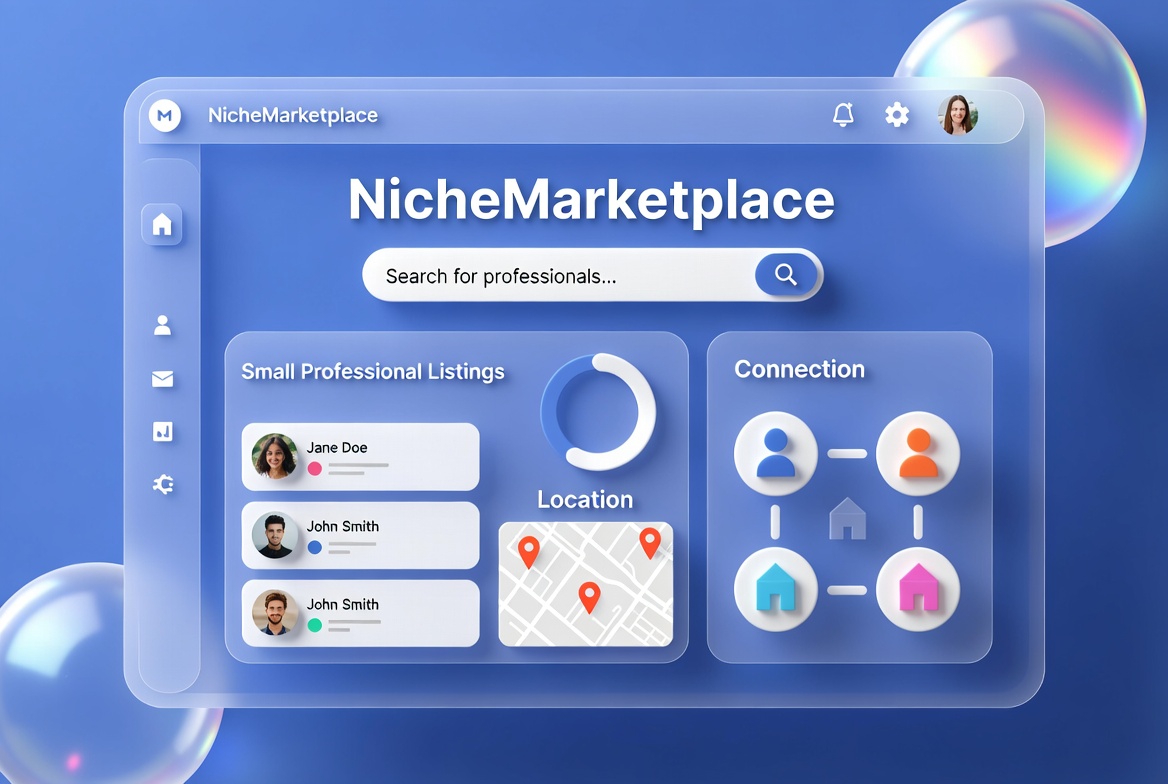
General marketplaces are crowded, but narrow ones still have room to grow. Industry specific directories connect buyers and sellers who already want to find each other.
I have seen niche directories outperform broader platforms because they focus on relevance. Users trust them more.
These platforms work best when they solve discovery problems in specialized fields.
Examples of focused marketplace ideas include:
- Service provider directories for one profession
- Supplier listings for niche industries
- Location based professional networks
- Curated vendor platforms
You are not selling products directly. You are selling access, visibility, and convenience.
6. Digital Products for Boring but Necessary Tasks

Not all digital products need to inspire creativity. Many successful products simply make dull tasks easier.
Templates, checklists, and guides save time, which people value deeply. I have personally paid for simple tools that removed mental effort.
These products often perform well because they are easy to create and easy to explain.
They work best when designed around real workflows.
Common product types include:
- Business templates and trackers
- Checklists for recurring tasks
- Step by step guides for processes
- Pre built systems for organization
Boring products often sell better because they solve immediate, recurring problems.
7. Support Communities for Underserved Professions

Some professions feel isolated or ignored online. Creating a focused community gives them a space to share, learn, and support each other.
I have seen paid communities thrive in niches most people overlook. Members value connection as much as information.
These communities work when they are specific and moderated with care.
Strong communities usually offer:
- Peer discussion and shared experiences
- Access to curated resources
- Expert guidance or Q and A sessions
- A sense of belonging
Trust grows over time, which makes monetization more sustainable.
Why These Industries Stay Overlooked
These industries are not ignored because they lack value. They are ignored because they lack excitement.
Entrepreneurs often chase trends, visibility, and rapid growth stories. Quiet industries do not offer that narrative.
They solve problems people do not brag about, but still pay to fix.
Common reasons these industries stay hidden include:
- They are not glamorous or viral
- They require understanding real workflows
- They grow steadily, not explosively
Opportunity often lives where attention is low and demand is steady.
How to Evaluate Which Industry Fits You Best
Not every overlooked industry will suit your skills or interests. Choosing the right one matters more than choosing the most profitable on paper.
I have learned that alignment creates staying power. When the work fits you, consistency becomes easier.
Ask yourself practical questions before committing.
- Do I understand this problem well
- Can I explain the solution clearly
- Does this industry have recurring demand
- Am I comfortable serving this audience
The best fit is usually the one that feels logical, not glamorous.
Final Thoughts
Online business opportunity is not disappearing. It is shifting into quieter corners where fewer people look. Overlooked industries reward patience, observation, and problem solving more than hype.
If you focus on real needs instead of trends, you build something durable. These businesses may not look impressive on social media, but they often deliver consistent income and long term stability.