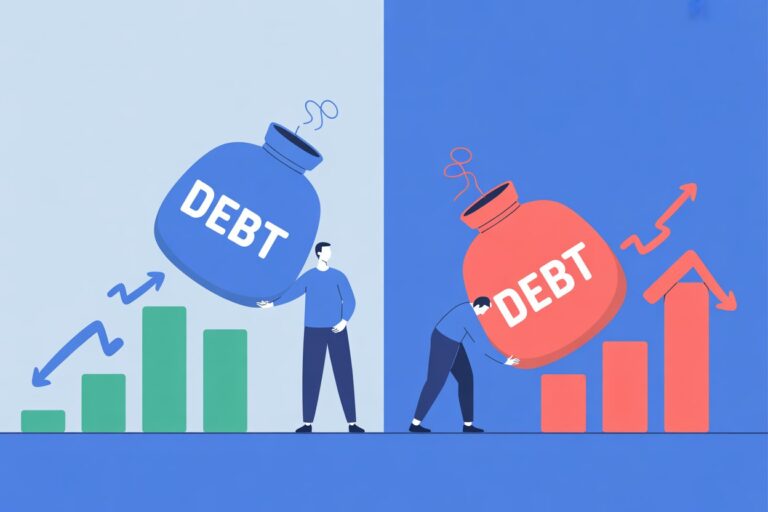
5 Investing Fears Everyone Has (And How to Get Past Them)
Investing sounds smart in theory, but emotionally it can feel terrifying. I remember staring at my first investment screen, heart racing, convinced one wrong move would ruin everything.
If that sounds familiar, you are not broken. These fears are normal, common, and very human. The good news is that each one can be worked through with the right mindset and simple adjustments.
1. Fear of Losing Money and Never Recovering
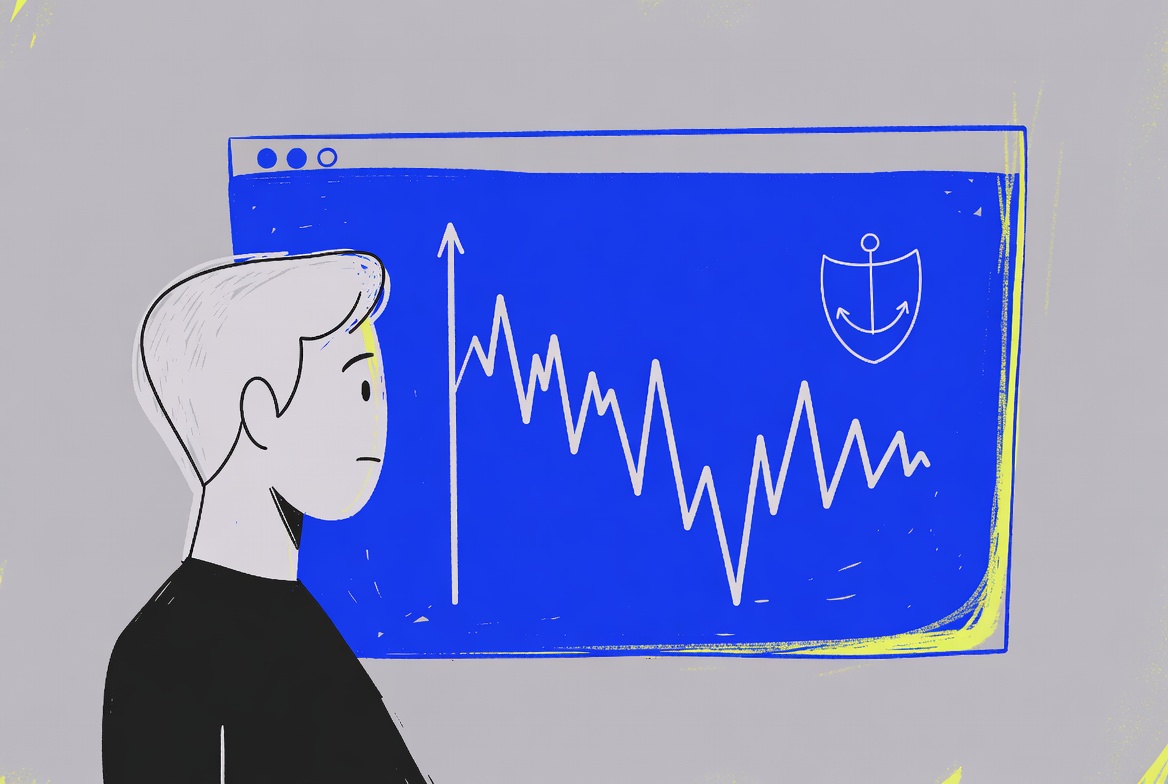
This is the fear almost everyone feels first, and honestly, it makes sense. Money represents safety, effort, and time. The idea of watching it shrink, even temporarily, feels deeply uncomfortable.
I used to think investing meant putting money at constant risk. What changed was understanding that loss is not the same as failure. Markets move, sometimes sharply, and temporary drops are part of how long term growth happens.
Loss feels worse than gain feels good. That emotional imbalance makes even small dips feel dramatic, especially when you are new. It can cause panic selling or avoiding investing altogether.
What helped me was separating short term movement from long term direction. When I stopped checking daily and focused on years instead, the fear softened.
To reduce this fear, it helps to anchor yourself in reality rather than emotion.
- Invest money you will not need soon
- Start with amounts small enough to stay calm
- Expect fluctuations instead of fearing them
- Remind yourself that recovery is normal over time
You do not eliminate risk, but you learn to live with it. That is where confidence slowly builds.
2. Fear of Not Knowing Enough to Start
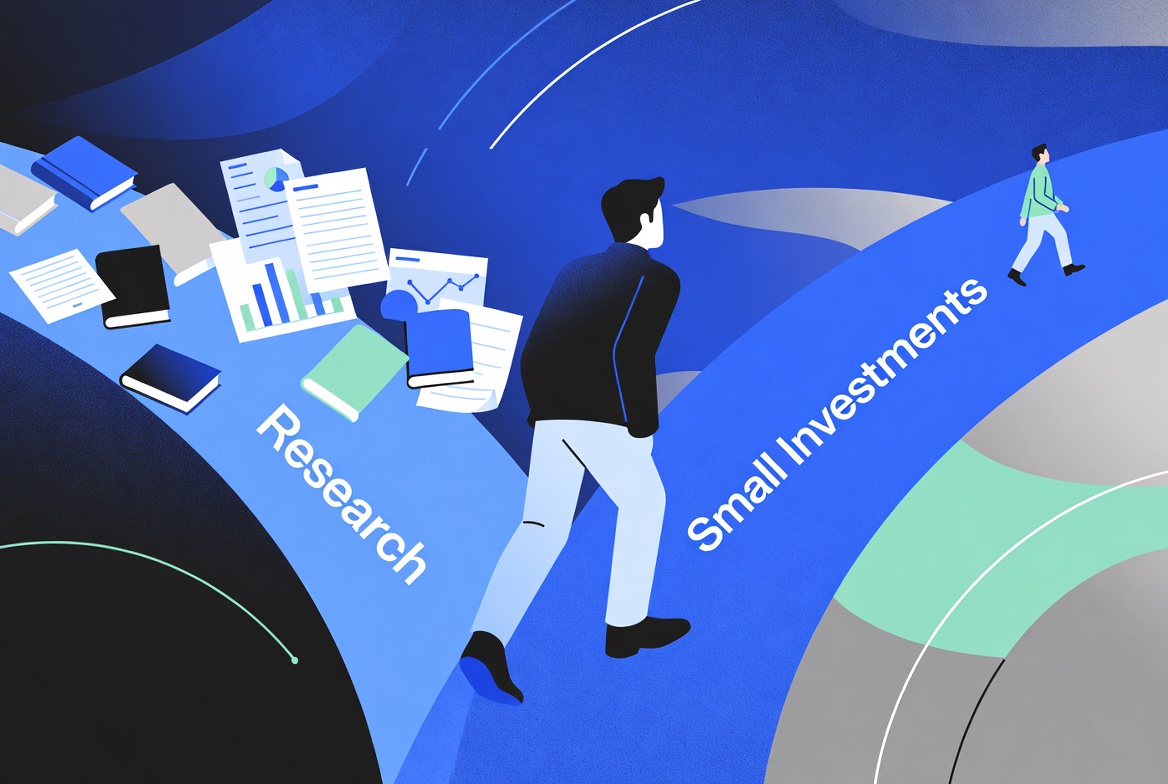
Many people believe investing requires deep knowledge, perfect timing, and constant monitoring. This belief alone keeps them stuck for years.
I waited longer than I should have because I thought I needed to understand everything first. In reality, most investors learn by doing, not by waiting.
The truth is that you do not need to master finance to begin. You only need to understand a few basic ideas and choose simple options that match your comfort level.
Over researching can become a form of procrastination. It feels productive, but it often hides fear.
When you start small, mistakes become lessons instead of disasters. Experience teaches faster than endless reading.
If you feel unqualified, remind yourself of this.
- No investor starts fully confident
- Simple strategies outperform complex ones for most people
- You can learn while already invested
- Starting imperfect beats never starting
Knowledge grows with exposure. The first step is rarely comfortable, but it is rarely dangerous either.
3. Fear of Starting at the Wrong Time
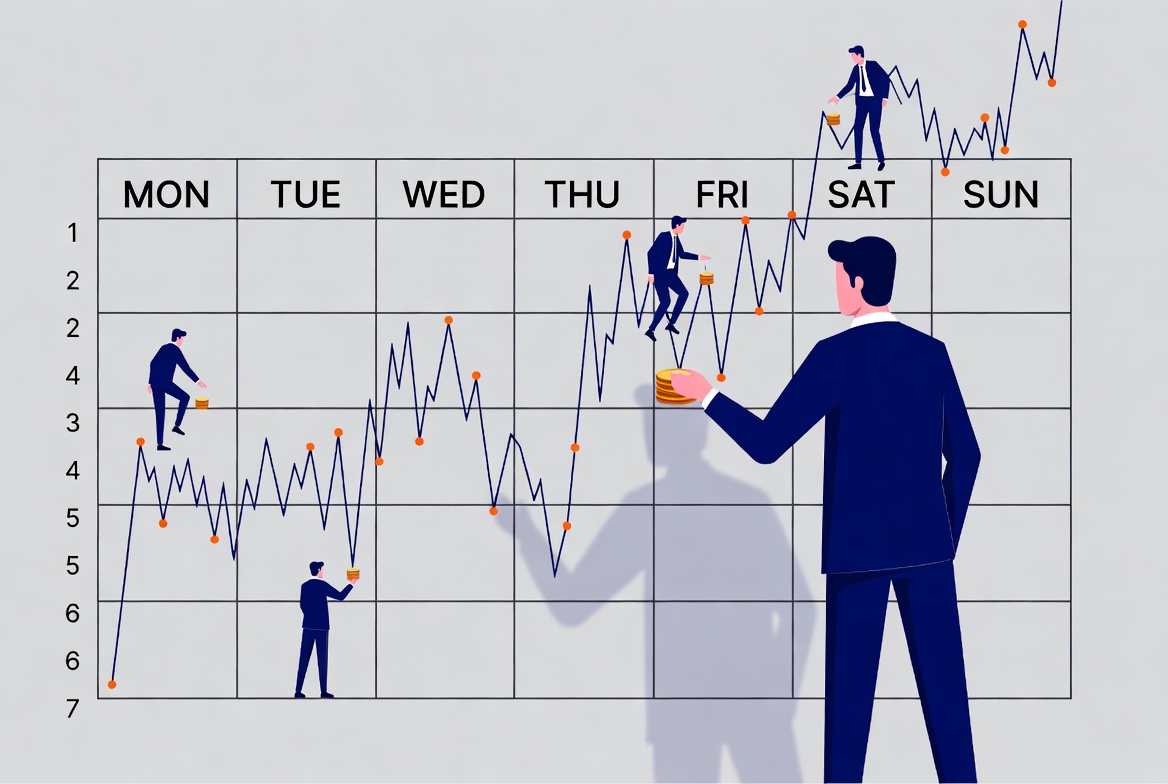
This fear shows up as waiting. Waiting for the market to drop. Waiting for the perfect moment. Waiting for certainty that never comes.
I remember telling myself I would invest once things felt calmer. The problem is that markets always feel uncertain in the moment.
Trying to time the market adds stress and often leads to missed opportunities. Even professionals struggle to do it consistently.
What finally clicked for me was realizing that time in the market matters more than timing the market. Starting earlier, even imperfectly, usually beats waiting for ideal conditions.
Instead of asking when to invest, it helps to focus on how to invest consistently.
- Use regular contributions instead of lump sums
- Spread risk over time
- Ignore short term headlines
- Focus on long term goals
There is no perfect entry point. The best time is often when you decide to stop waiting.
4. Fear of Making a Big Mistake

This fear often hides behind perfectionism. You want to make the right choice, so you delay any choice at all.
I used to believe one wrong decision would undo everything. In reality, most investing mistakes are recoverable, especially when you start small.
Big mistakes usually come from extreme actions, not normal beginner steps. Things like investing money you need soon or chasing hype without understanding risk.
Building safeguards into your approach reduces the impact of errors. You do not need to rely on flawless decisions.
What matters more is creating a system that protects you from your worst impulses.
- Avoid putting all money in one place
- Stick to simple, diversified options
- Limit how often you change strategy
- Focus on process, not prediction
Mistakes happen, but they rarely define your entire journey. Learning to tolerate small errors is part of becoming a confident investor.
5. Fear of Being the Only One Who Fails

This fear is quiet but powerful. You see others online sharing wins, screenshots, and success stories, and it feels like everyone else is doing better than you.
I have felt this deeply. It creates pressure to perform, compare, and rush decisions just to feel included.
Social media rarely shows losses, doubts, or slow progress. It shows highlights, not reality.
Investing is personal. Your goals, income, and timeline are different from anyone else’s. Comparing paths only creates unnecessary stress.
Success does not mean fast growth or impressive returns. It means consistency and alignment with your own life.
To reduce comparison driven fear, it helps to reset your definition of success.
- Measure progress against your own goals
- Ignore short term performance of others
- Remember that quiet growth is still growth
- Focus on habits, not bragging rights
Most successful investors are boring, patient, and invisible. That is not failure, it is how it works.
How to Build Confidence Without Taking Bigger Risks
Confidence does not come from bold moves. It comes from familiarity and repetition.
When I stopped trying to be impressive and focused on being consistent, investing became less scary and more routine.
Automation played a huge role. When decisions were made once and repeated automatically, emotion stopped interfering as much.
Small wins matter. Each contribution, each month stayed invested, builds trust in yourself.
Here are ways to grow confidence safely.
- Start with low risk, diversified options
- Automate contributions to reduce hesitation
- Limit how often you check performance
- Celebrate consistency, not outcomes
Confidence is a byproduct of action taken calmly over time. You do not wait for it, you grow into it.
Common Mental Traps That Keep People From Investing

Even when fear fades, certain thinking patterns can quietly pull you back into inaction.
One common trap is all or nothing thinking. If you cannot invest perfectly, you do not invest at all.
Another is paralysis by research. You consume endless content without ever applying it.
Some people confuse fear with caution. While caution is healthy, fear often disguises itself as logic to justify delay.
Being aware of these traps helps you step around them instead of falling in repeatedly.
Watch out for these signs.
- Constantly changing strategies
- Waiting for complete certainty
- Avoiding action while consuming advice
- Letting fear sound like wisdom
Progress happens when you notice these patterns and gently choose differently.
Final Thoughts
Investing fear never disappears completely. It just becomes quieter as experience grows. Every investor you admire once felt the same doubts, worries, and hesitation you feel now. The difference is not courage, it is action taken despite discomfort.
When you start small, stay consistent, and focus on long term habits, fear loses its grip. Over time, investing shifts from something you avoid to something you trust, and that trust changes how you see money forever.