7 Profitable Online Business Models That Don’t Require Branding or Marketing
Making money online meant building a brand, posting daily, and constantly selling yourself. After trying and failing several times, I realized some of the most reliable online income streams operate quietly, without attention or personal exposure.
Not every online business needs an audience, a logo, or constant promotion. Some models succeed simply because they solve existing problems where buyers are already searching and ready to pay. These quiet models often grow slower, but they last longer and demand far less emotional energy.
1. Productized Services With Existing Demand
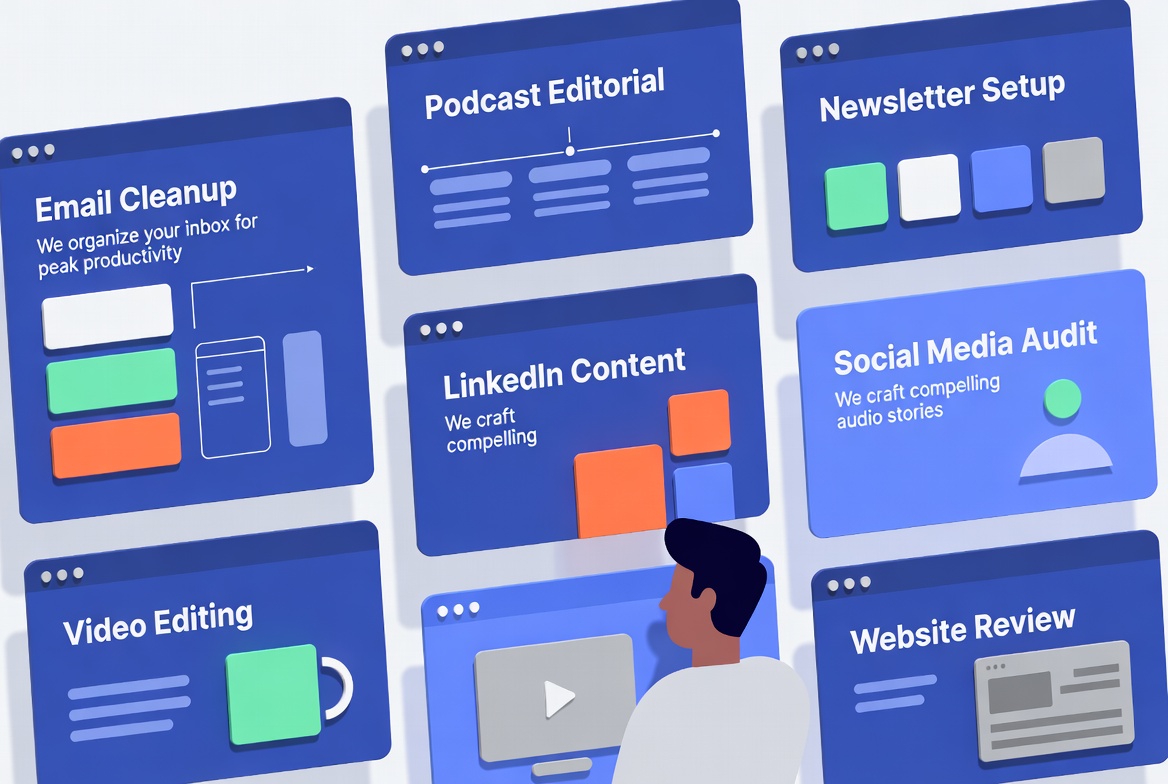
Productized services are one of the easiest ways to make money online without branding or marketing. Instead of selling yourself, you sell a clear outcome for a fixed price.
Clients prefer certainty. They want to know exactly what they are getting, how long it will take, and what it will cost. Productized services provide that clarity.
You are not competing on personality or visibility. You are competing on clarity and execution, which makes this model quieter and more stable.
Examples of productized services include:
-
Monthly bookkeeping for small businesses
-
Website speed optimization
-
Podcast editing packages
-
Email inbox cleanup services
-
Resume or LinkedIn profile optimization
These services work well on platforms where demand already exists and buyers are actively searching.
2. Marketplace Arbitrage and Reselling
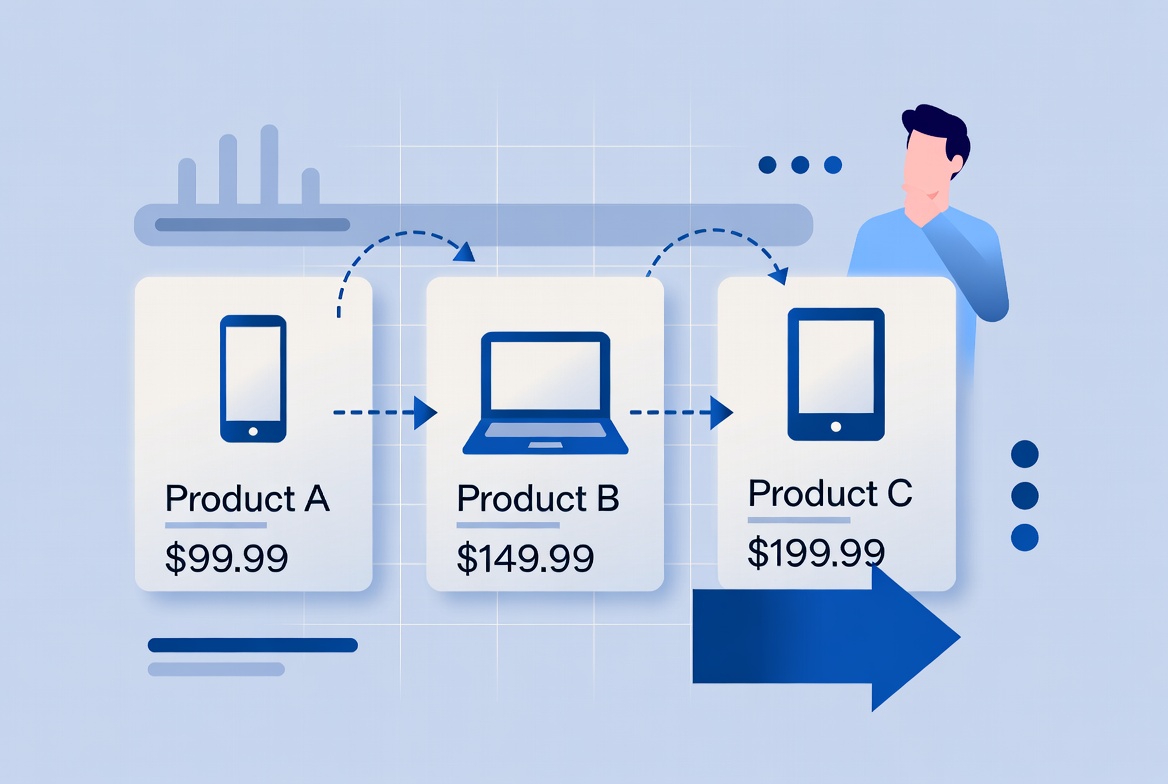
Marketplace arbitrage works because large platforms already spend billions attracting buyers. You simply step in to meet existing demand more efficiently.
This model does not care about your brand. Buyers trust the platform, not you personally, which removes the need for visibility or long-term audience building.
You make money by identifying gaps in pricing, supply, or presentation, then positioning yourself to fill those gaps consistently.
Common forms of marketplace arbitrage include:
-
Buying undervalued products and reselling them
-
Improving listings for better conversion
-
Bundling related products
-
Offering faster fulfillment or better descriptions
When done right, the platform does the marketing for you.
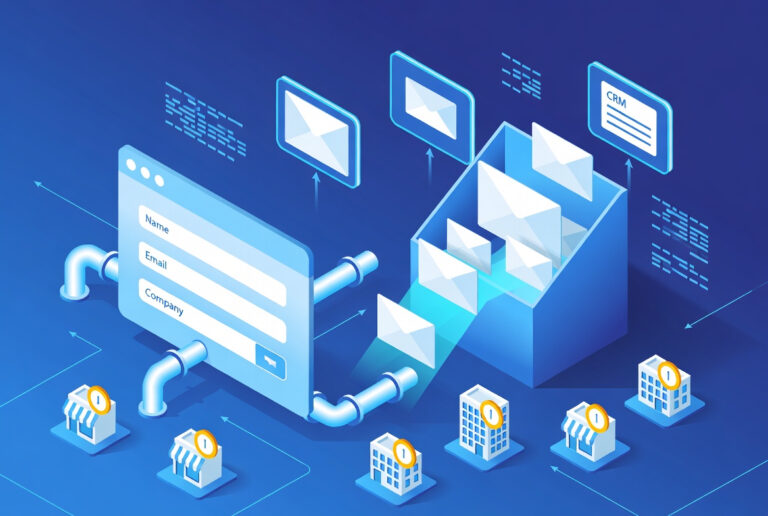
3. Lead Reselling and Pay-Per-Result Models
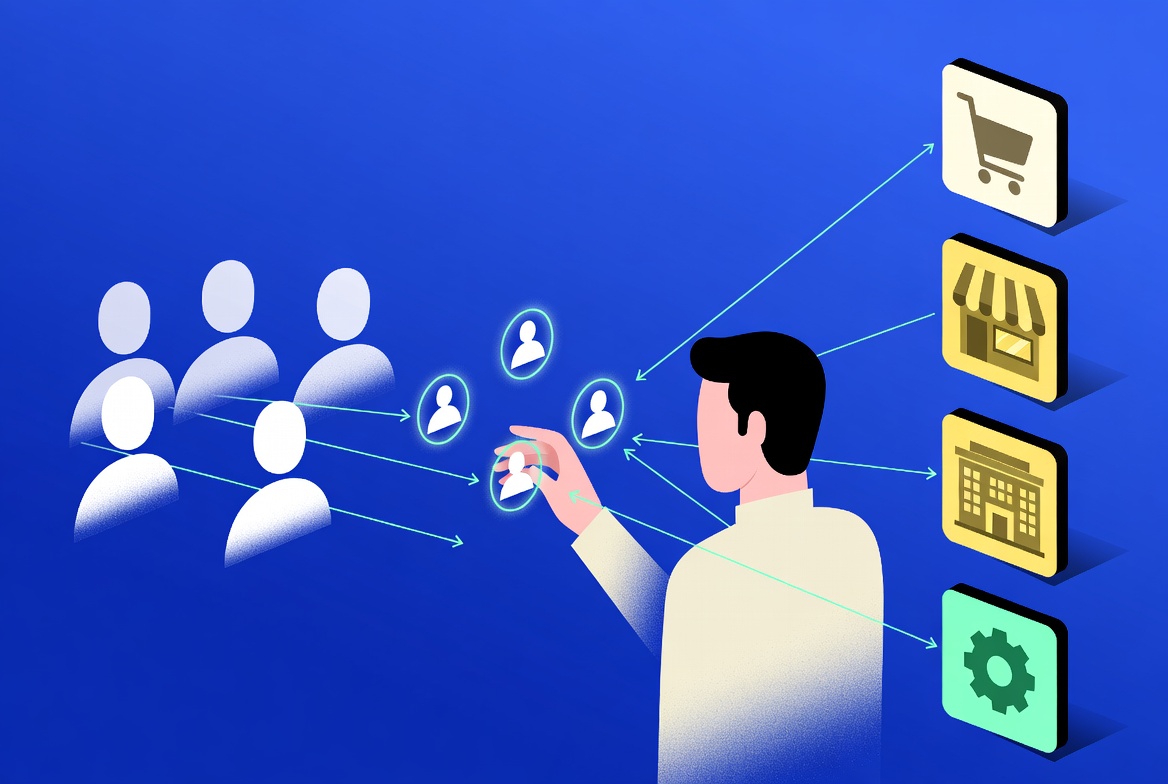
Lead reselling is one of the most overlooked online business models, mainly because it operates entirely behind the scenes. Businesses do not care who you are, they care about results.
You collect leads for a specific service, then sell those leads to businesses that already need customers. Payment is tied to performance, not visibility.
This model thrives in industries where customer value is high and competition is aggressive.
Common industries for lead reselling include:
-
Home services
-
Legal services
-
Medical appointments
-
Real estate
-
Insurance
When businesses depend on leads to survive, branding becomes optional.
4. Digital Assets Built Around Search Intent
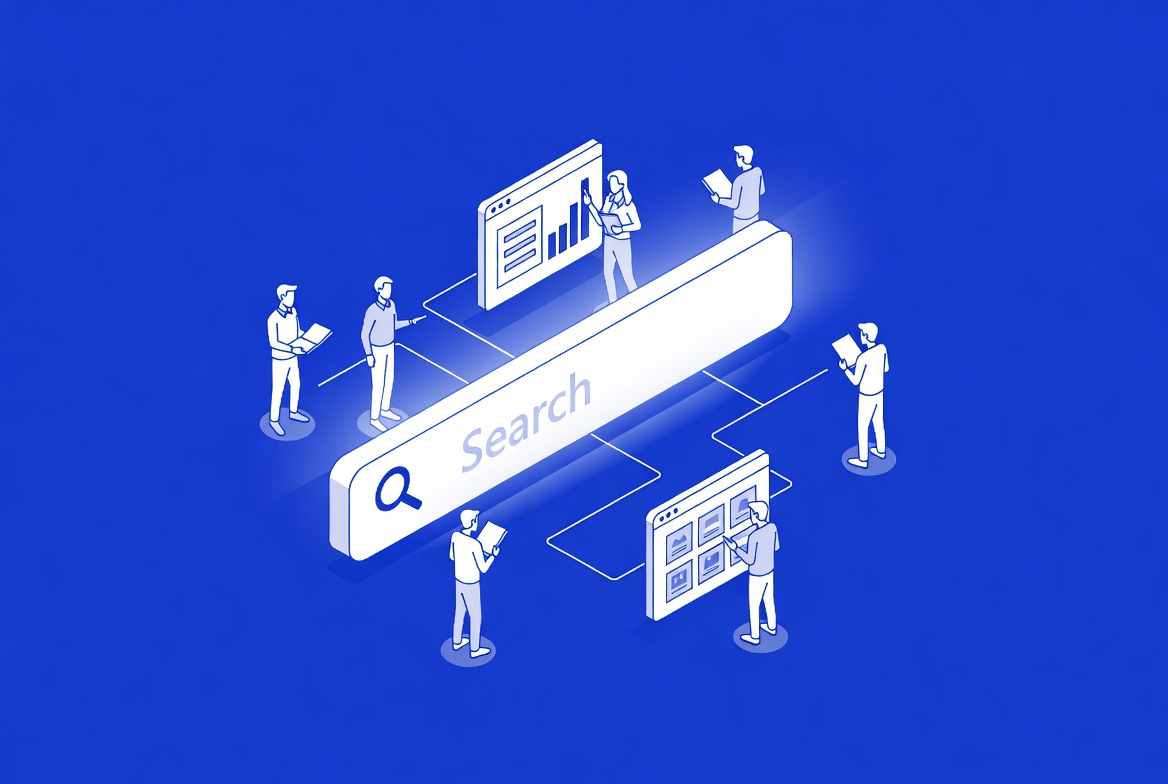
Search-based digital assets make money because they match intent, not attention. People actively searching are already motivated, which removes the need for persuasion.
This model includes blogs, niche websites, comparison pages, and directories that monetize through ads, affiliates, or lead capture.
You do not need to be popular. You only need to answer specific questions better than existing results.
Advantages of search-based assets include:
-
Passive traffic over time
-
Long-term income potential
-
No need for social media presence
-
High buyer intent
Quiet traffic compounds slowly but reliably.
5. Automation-Driven Micro SaaS or Tools
Micro SaaS tools succeed by solving very narrow problems that people already experience regularly. Branding matters far less than functionality.
Users find these tools through search, integrations, or referrals. They stay because the tool saves time or removes friction from daily work.
You do not need flashy design or aggressive promotion. You need reliability and usefulness.
Examples of micro SaaS ideas include:
-
Simple reporting tools
-
Automation scripts
-
Niche data trackers
-
Workflow utilities
-
API-based services
When a tool becomes part of someone’s workflow, marketing becomes unnecessary.
6. Information Products for Specific Problems

Information products work without branding when they focus on clarity, not personality. People buy solutions, not creators, when the problem feels urgent enough.
The more specific the problem, the less marketing is required. General advice struggles, but targeted solutions convert quietly.
Formats that work well include short guides, templates, checklists, and step-by-step frameworks.
Successful information products usually:
-
Solve one narrow problem
-
Promise a clear outcome
-
Avoid unnecessary storytelling
-
Focus on implementation
Specificity replaces promotion in this model.
7. Backend Services for Existing Businesses
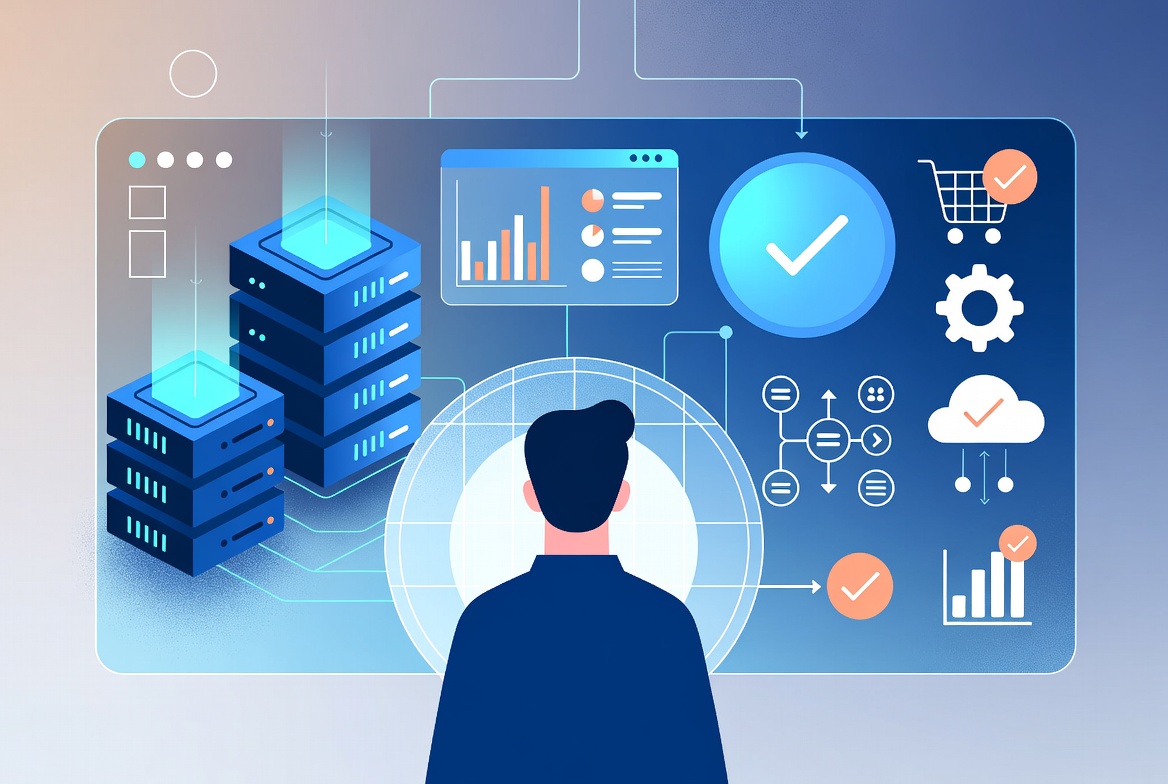
Backend services operate entirely out of sight. You support businesses that already have customers, marketing systems, and sales processes.
These services are hard to replace once integrated. Clients care more about consistency than personality.
Examples include fulfillment, data management, operations support, and technical maintenance.
Backend services often include:
-
White-label fulfillment
-
Customer support handling
-
Data cleanup and reporting
-
CRM management
-
Payment processing support
The deeper you integrate, the less you need to promote yourself.
How to Choose the Right Model Based on Your Skills
Not every business model fits every person. Choosing the right one depends on your tolerance for repetition, learning curve, and time commitment.
The best model feels boring but manageable. Excitement fades, but systems remain.
Ask yourself honest questions before committing.
Important considerations include:
-
Skills you already possess
-
Time availability
-
Desire for automation
-
Comfort with technical tools
-
Income goals versus effort
Alignment beats ambition in the long run.
How to Validate These Business Models Quietly
Validation does not require launching publicly or announcing anything. It requires testing real demand with minimal exposure.
Quiet validation protects your energy and keeps pressure low.
The goal is not perfection, but proof.
Effective validation methods include:
-
Offering services manually first
-
Pre-selling access or spots
-
Running small paid tests
-
Posting anonymously in niche communities
-
Charging early, even at low prices
Money is the clearest signal.
Common Mistakes People Make With Low-Visibility Businesses
Many people ruin quiet business models by overcomplicating them. Simplicity is the advantage, not a weakness.
Another mistake is rushing to scale before systems are stable. Growth exposes flaws quickly.
Avoiding common mistakes saves months of frustration.
Common mistakes include:
-
Overbuilding features
-
Ignoring customer feedback
-
Underpricing out of fear
-
Switching models too often
-
Chasing trends instead of demand
Quiet businesses need patience, not pressure.
Why Branding and Marketing Are Not Always Necessary
Branding and marketing exist to attract attention, but not all businesses need attention. Some only need access to existing demand.
When buyers are already searching, comparing, and purchasing, visibility becomes optional.
In many models, branding only adds cost without increasing results.
Businesses that skip branding often:
-
Plug into existing platforms
-
Solve urgent problems
-
Focus on execution
-
Rely on systems, not storytelling
Attention is expensive, demand is not.
What Makes an Online Business Model Work Without Promotion
For a business to work without promotion, it must remove friction from the buying process. People should know what they are buying immediately.
The offer must be clear, specific, and easy to understand.
Successful low-promotion models usually share common traits.
These traits include:
-
Built-in traffic sources
-
Clear value proposition
-
Simple pricing
-
Fast delivery
-
Repeat demand
When friction is low, marketing becomes unnecessary.
Final Thoughts
The quietest online businesses often last the longest. They do not depend on trends, algorithms, or constant visibility. Instead, they rely on systems, clarity, and existing demand.
If you value stability over attention and prefer building behind the scenes, these models offer a realistic path to sustainable income without burnout or noise.