6 Ways to Save Money on Subscription Services You Actually Use
Subscription services are sneaky. You sign up for convenience, learning, or fun, and before you know it, small monthly charges quietly eat into your income. I have been there, paying for things I barely touched.
The good news is you do not need to cancel everything. With a few smart adjustments, you can save real money while still enjoying the services that genuinely improve your life.
1. Audit Usage Based on Behavior, Not Intention
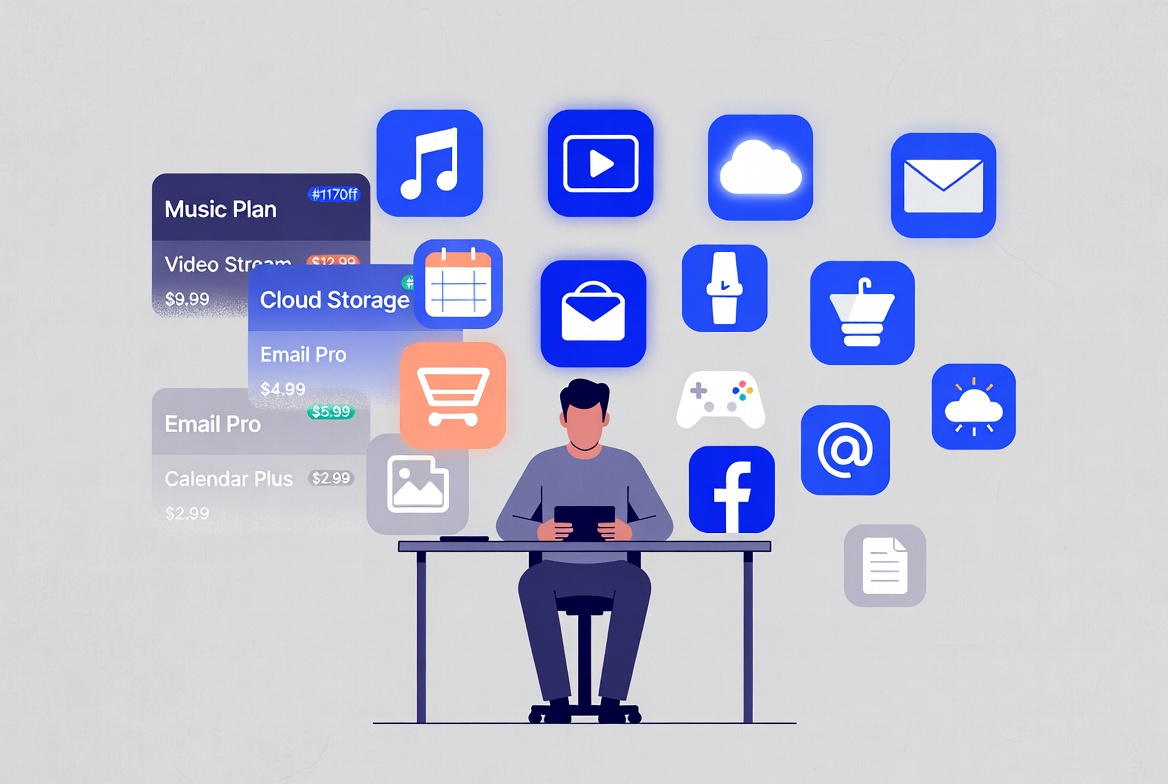
Most people think they know what subscriptions they use, but intention and reality are rarely the same. We often pay for what we hope to use, not what we actually use.
The first time I reviewed my subscriptions honestly, I was shocked. Services I felt attached to had not been opened in months. Others I used weekly but barely noticed because they felt normal.
The goal here is not judgment. It is clarity. When you see your real usage, decisions become easier and less emotional.
Start by checking your bank statements or app store subscriptions. Write everything down, even the small charges that seem harmless at first glance.
Once you have the full list, shift your thinking. Ask how often you truly use each service, not how useful it sounded when you signed up.
To make this easier, focus on behavior patterns instead of feelings.
- Check login history or usage reports if available
- Look at the last time you opened the app or platform
- Estimate weekly or monthly usage honestly
- Note subscriptions you forgot you had
You will usually find three categories. Services you use often, services you use sometimes, and services you barely touch. The last group is where savings start.
2. Downgrade Plans Without Losing Core Value

Many subscription companies design pricing to push you toward premium plans. They bundle features you might never need, making cheaper plans feel incomplete.
I used to assume that downgrading meant losing value. In reality, it often means cutting noise while keeping what actually matters.
Start by identifying why you upgraded in the first place. Was it a real need, or a fear of missing out on features you never tested?
Look closely at what each plan offers. Most people only rely on one or two core features, even when paying for ten.
When you downgrade, the experience usually feels the same after a short adjustment period. Your habits adapt quickly once the extras disappear.
Before switching plans, ask yourself a few grounding questions.
- Which features do I use weekly
- Which features have I never touched
- Would my routine change if this feature disappeared
- Is the price difference worth the extras
Downgrading is one of the fastest ways to save money without canceling anything. It is especially effective for streaming platforms, productivity tools, and software subscriptions.
3. Rotate Subscriptions Instead of Keeping Them All
One of the biggest subscription traps is overlap. We sign up for multiple services that do similar things, then feel overwhelmed trying to use all of them.
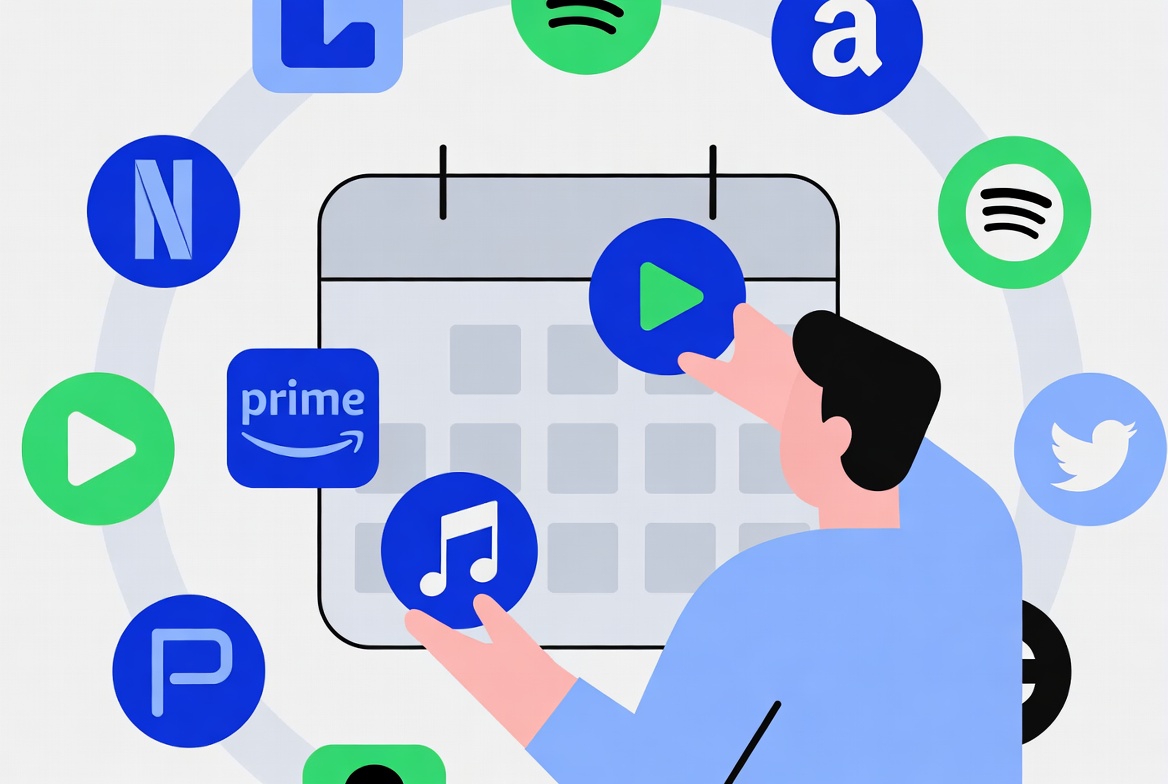
Rotation solves this problem without forcing you to give anything up permanently. Instead of paying year round, you pay only when you need a service.
I do this with entertainment and learning platforms. I focus on one at a time, then switch when I feel done or bored.
Rotation works because most subscriptions are not meant to be used daily forever. They are tools, not commitments.
Planning rotations does not need to be complicated. A simple calendar reminder is enough to keep things organized.
Here is how to rotate without disruption.
- Choose one service per category at a time
- Cancel or pause others temporarily
- Set a reminder to switch after one or two months
- Avoid overlapping renewals
This approach lowers costs while improving focus. You enjoy each service more because you are not splitting attention across several platforms.
4. Replace Paid Subscriptions With Free or One-Time Alternatives
Not every problem needs a monthly payment. Many subscriptions exist because they are convenient, not because they are the only option.
I realized this when I replaced a paid tool with a free alternative that covered ninety percent of my needs. The difference in experience was smaller than expected, but the savings added up quickly.
Free tools today are more powerful than ever. Many are supported by communities, open source development, or simple business models that do not rely on subscriptions.
One time purchases can also be smarter than recurring payments, especially for tools you use occasionally.
Before renewing any subscription, explore alternatives with an open mind.
- Search for free versions of similar tools
- Consider open source or community supported options
- Compare one time purchase costs over a year
- Test alternatives before canceling
This step requires a bit of effort upfront, but it often leads to long term savings. Even replacing one subscription can free up money every single month.
5. Negotiate, Pause, or Bundle to Lower Costs
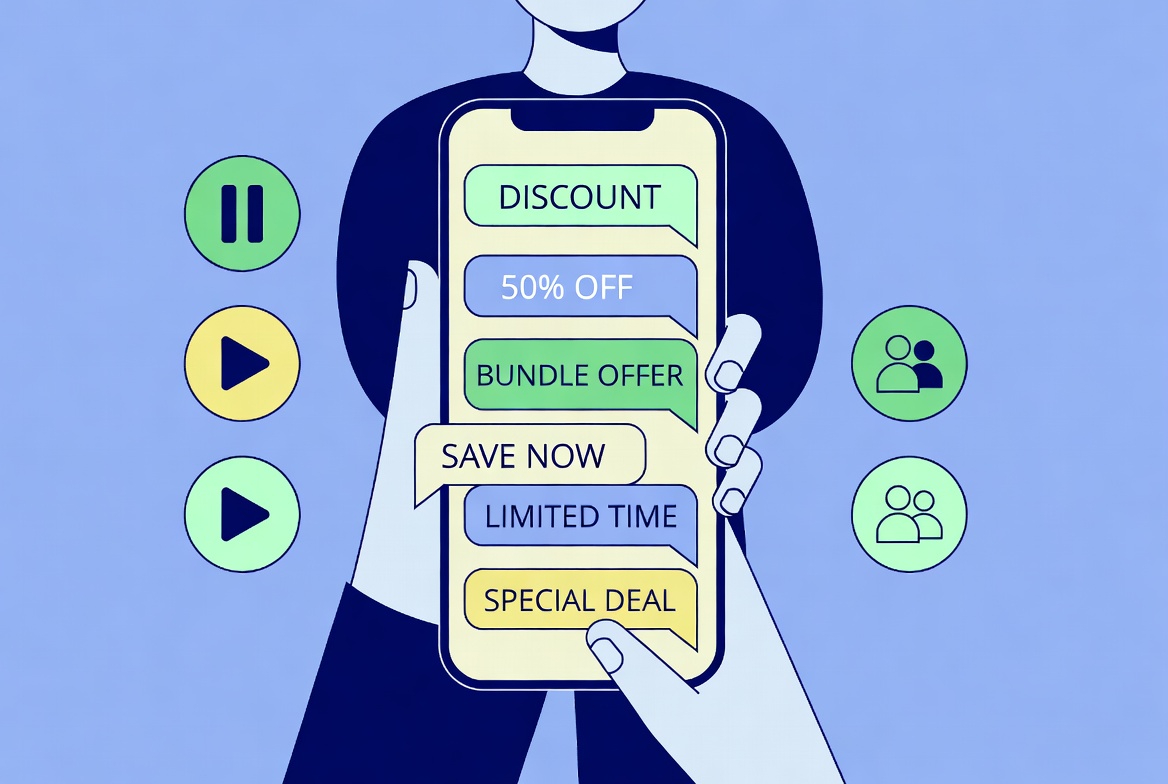
Many people do not realize how flexible subscription pricing can be. Companies would rather keep you at a lower rate than lose you entirely.
I have received discounts simply by clicking cancel and being offered a retention deal. It feels awkward at first, but it works surprisingly often.
Pausing subscriptions is another underused option. Some services let you stop payments temporarily without losing your account or data.
Bundling is also worth exploring. You might already be paying for access through another service without realizing it.
Before canceling outright, try these strategies.
- Ask customer support for discounts or promotions
- Use pause features during busy months
- Check if your phone or internet plan includes bundles
- Look for family or group plans
These small adjustments can cut costs without changing how you live or work. The key is remembering that subscription pricing is not always fixed.
6. Set Personal Rules for Adding New Subscriptions
Saving money is not just about cutting costs. It is also about preventing future leaks. Without rules, new subscriptions quietly undo your progress.
I learned this the hard way. Every time I canceled something, I replaced it with something new. The total never changed.
Creating simple rules changed everything. It slowed decisions and made me more intentional about what I paid for.
Your rules do not need to be strict. They just need to create a pause between desire and commitment.
Here are a few rules that work well.
- Wait seven days before subscribing
- Cancel one subscription before adding another
- Set a monthly subscription budget
- Avoid annual plans unless usage is proven
These boundaries protect your money without making you feel restricted. Over time, they turn saving into a habit rather than a struggle.
Common Mistakes People Make When Managing Subscriptions
Even with good intentions, people often make mistakes that reduce the impact of their efforts. Awareness helps you avoid repeating them.
One common mistake is canceling everything at once. This creates frustration and often leads to re subscribing impulsively later.
Another issue is forgetting annual renewals. These are easy to miss and often expensive when they hit unexpectedly.
Some people also cancel without adjusting habits. If the behavior that caused the subscription remains, the problem returns in a different form.
Watch out for these patterns.
- Canceling emotionally instead of strategically
- Ignoring renewal dates and billing cycles
- Re subscribing out of boredom or stress
- Saving money without tracking results
Progress comes from consistency, not extreme action. Small, thoughtful changes tend to stick longer and feel easier to maintain.
Final Thoughts
Saving money on subscriptions does not mean giving up convenience, entertainment, or growth. It means choosing intentionally instead of paying on autopilot.
When you focus on real usage, adjust plans, and set simple rules, your spending starts working for you. Over time, the savings grow quietly, and you feel more in control of your money without feeling deprived or restricted.