5 Online Business You Can Start Today That Run on 90% Automation
Most people want an online business that does not demand daily attention. I did too. Over time, I learned automation is not about doing nothing, it is about building systems that keep working even when you step away.
1. Digital Product Sales With Automated Delivery
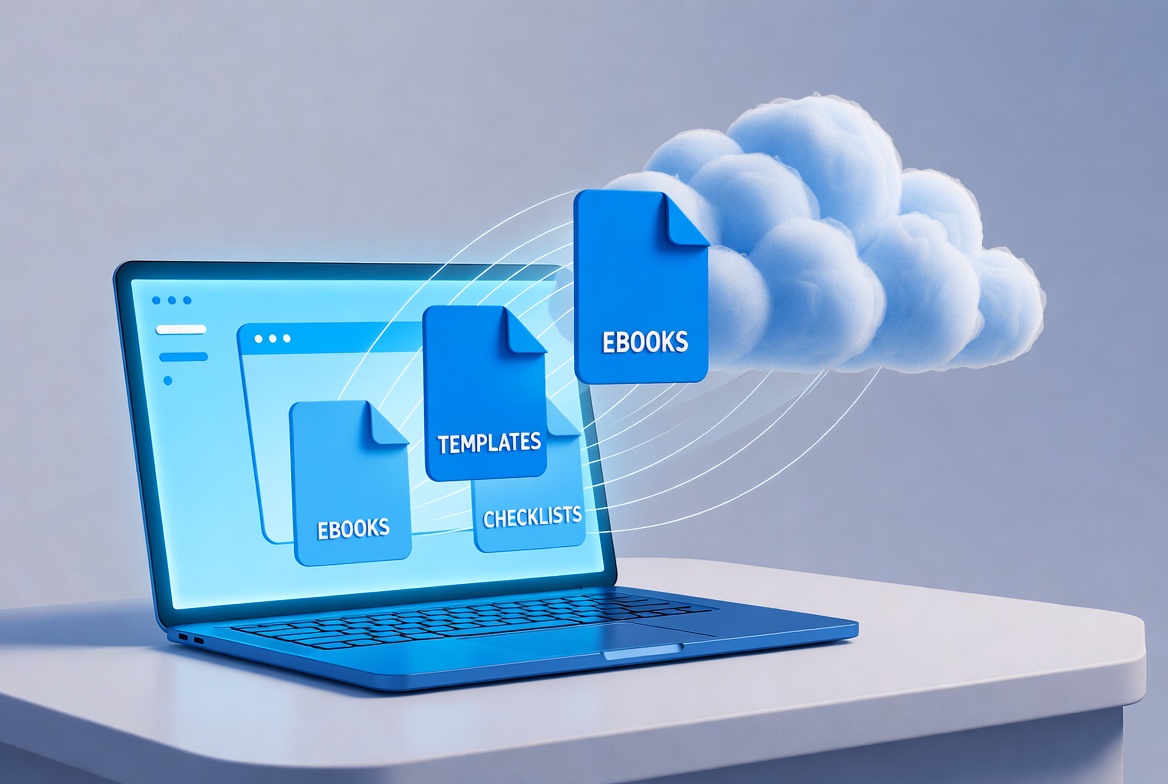
Digital products are one of the cleanest paths to automation because delivery happens instantly. Once created, the product does not require shipping, storage, or repeated manual effort.
I remember the first time I sold a digital guide while sleeping. That moment changed how I viewed online income. The system worked without me being present.
Automation here comes from combining simple tools. Payment platforms, file delivery, and email access all run quietly in the background.
The real work happens upfront. You invest time once, then let systems handle the rest.
Common digital products that automate well include:
- Ebooks and short guides
- Templates and trackers
- Checklists and frameworks
- Recorded workshops or lessons
When done right, customer access, payment confirmation, and delivery require no manual steps.
2. Niche Content Websites With Programmatic Monetization
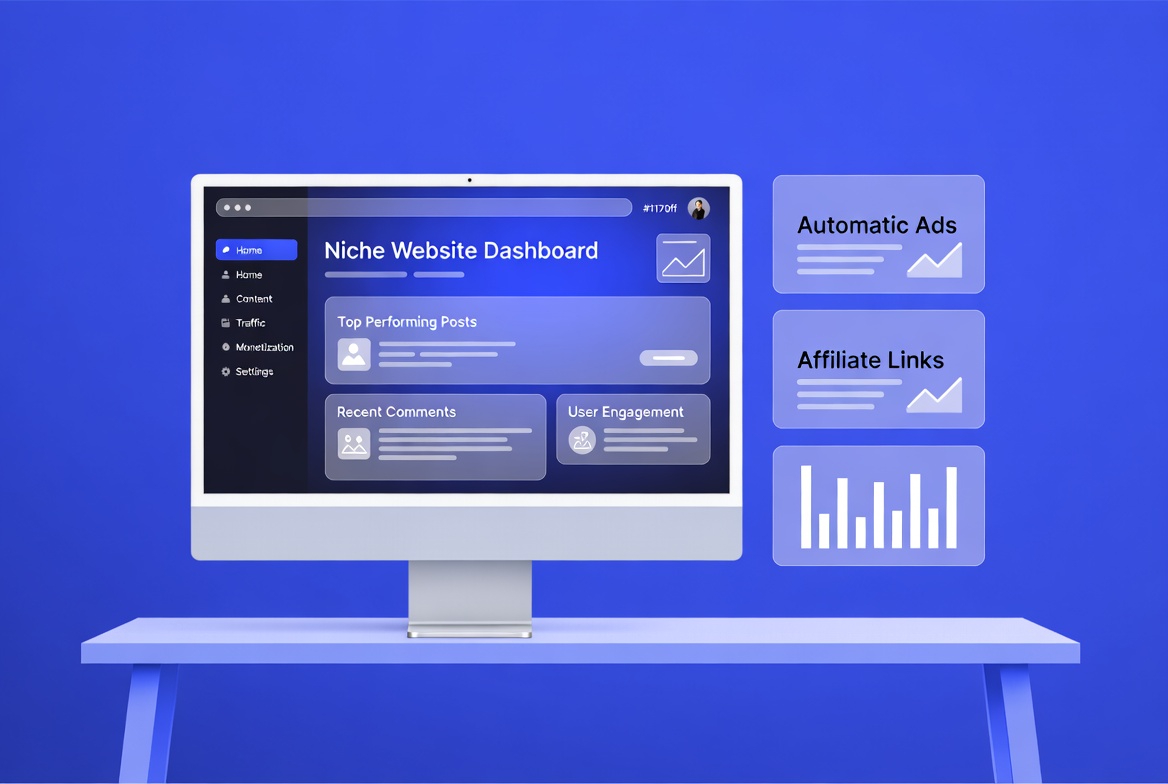
Content websites sound like a lot of work, but they become highly automated once established. The key is building with structure, not chasing constant posting.
I have seen simple niche sites earn consistently from content written months earlier. The system keeps earning even when nothing new is published.
Monetization tools do most of the work. Ads display automatically, affiliate links track themselves, and analytics run quietly.
The automation comes from batching and planning content ahead of time.
Key automation elements include:
- Scheduled publishing
- Automated ad placements
- Affiliate link tracking
- Basic performance monitoring
Once traffic stabilizes, the site runs with minimal involvement beyond occasional updates.
3. Automated Lead Generation for Local or Niche Businesses
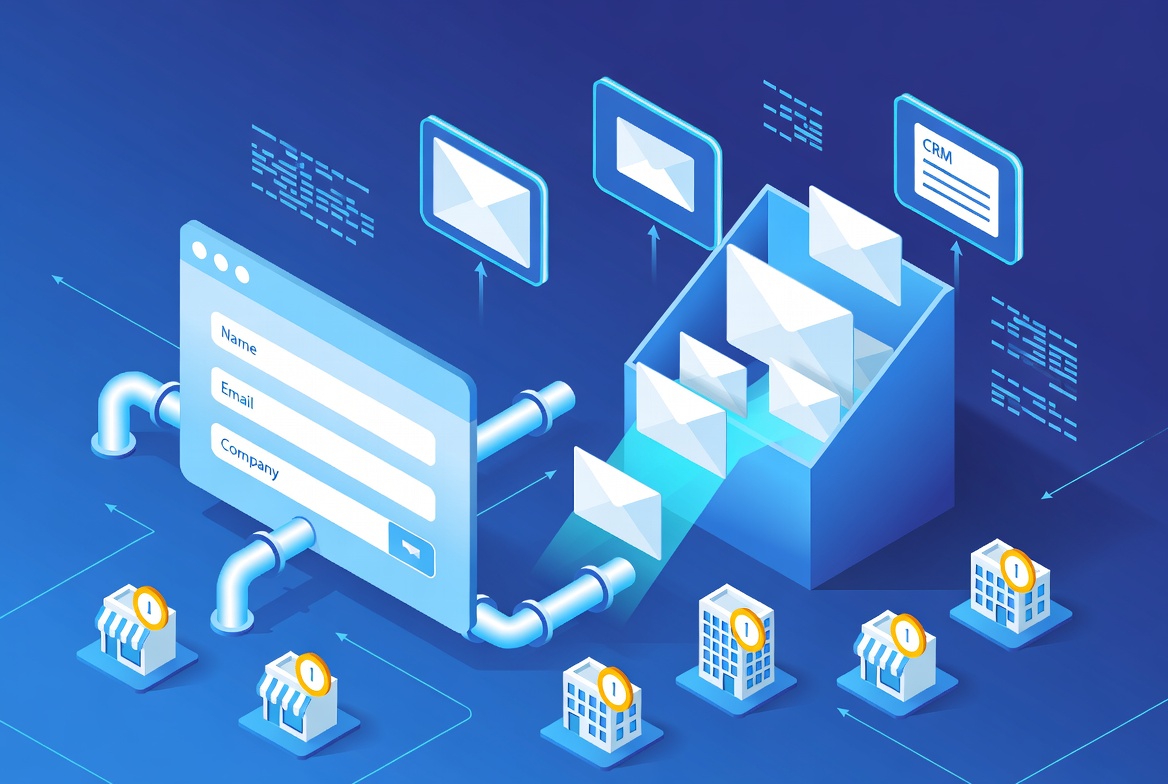
Lead generation is powerful because businesses care more about results than how you get them. When systems are set up correctly, leads flow automatically.
I worked on a simple lead site once that sent inquiries directly to a business inbox. After setup, it required almost no daily work.
Automation tools capture, filter, and deliver leads without manual handling.
This model works best when the problem is clear and demand is steady.
Typical automated components include:
- Landing pages with forms
- Email or CRM routing
- Automated follow ups
- Monthly reporting systems
You sell outcomes, not hours, which makes automation sustainable.
4. Subscription Based Tools or Resources
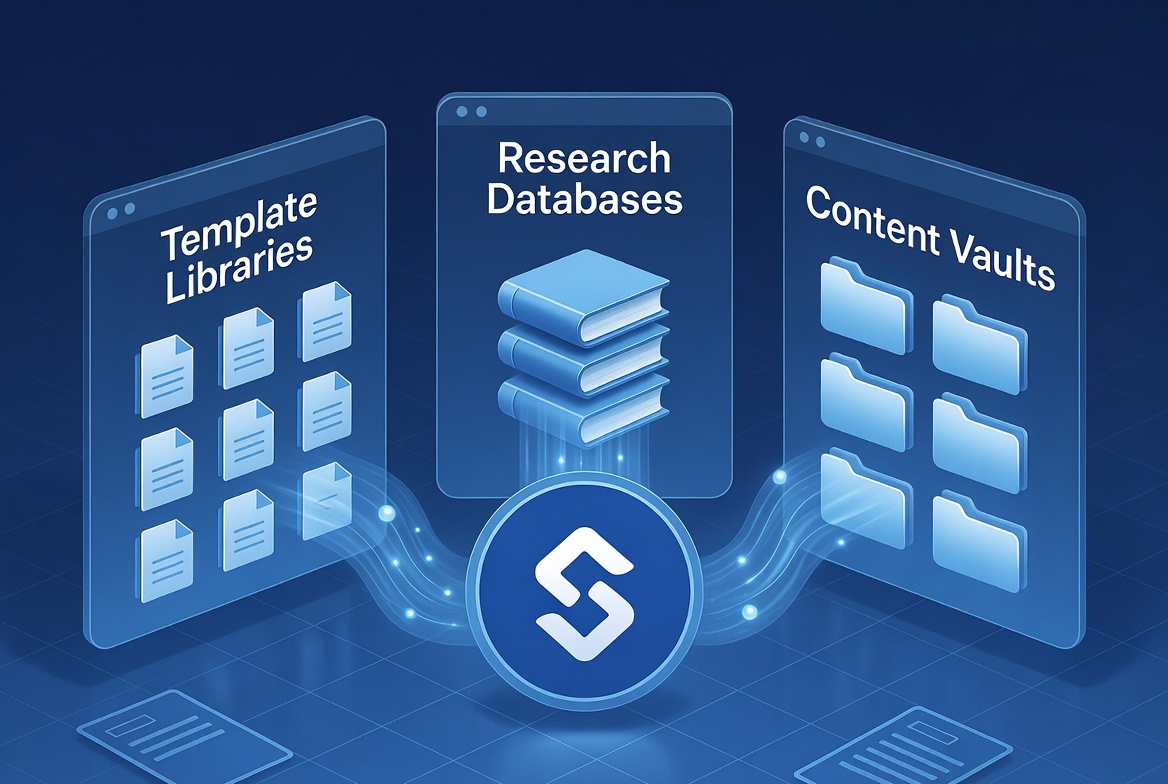
Subscriptions are powerful because they create recurring income without repeated selling. When value delivery is automated, upkeep stays low.
I used to think subscriptions required constant content. In reality, many succeed by offering access to tools, archives, or systems.
Automation here relies on controlled access and scheduled delivery.
Members stay when the resource solves a recurring problem without friction.
Examples of automatable subscription resources include:
- Template libraries
- Research databases
- Resource vaults
- Private content hubs
Once onboarding and access are automated, your role becomes oversight, not daily management.
5. Print on Demand With Pre Built Fulfillment
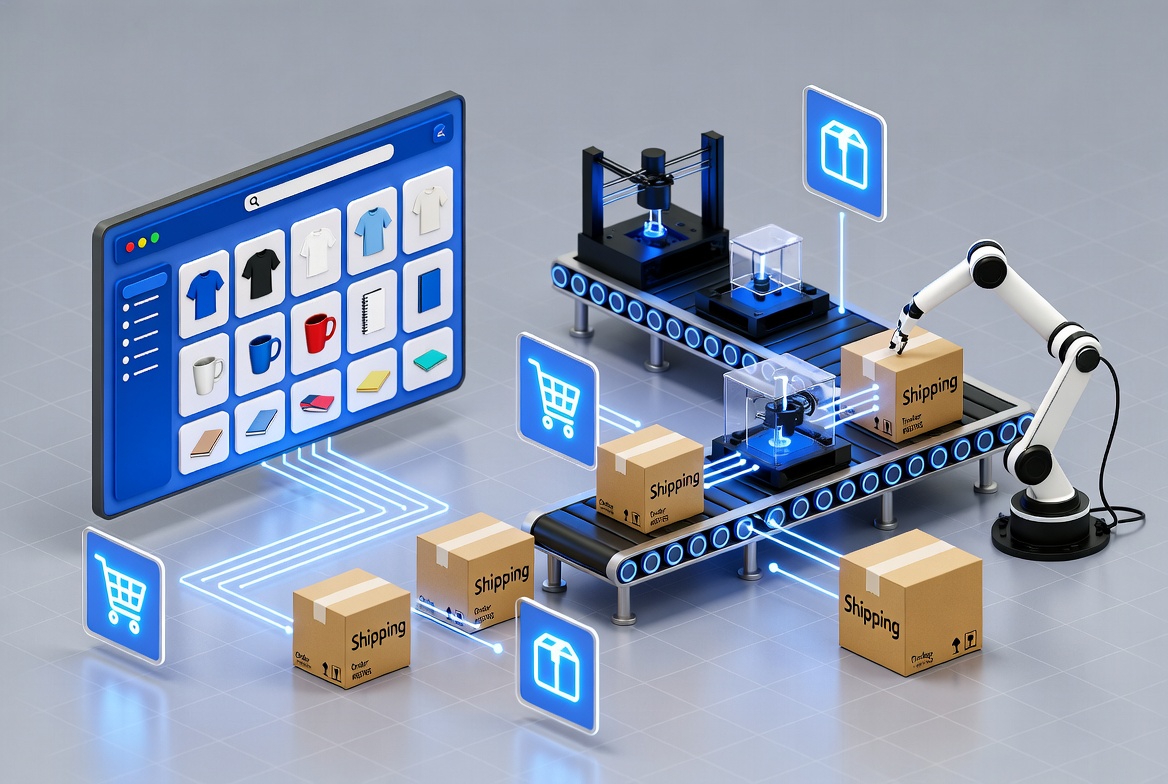
Print on demand works well because production and shipping are handled externally. You focus on designs and listings, not logistics.
I avoided this model initially because it felt crowded. Later, I realized automation reduces stress when systems are simple.
Orders trigger production automatically, then ship without your involvement.
The main work is upfront creation and occasional optimization.
Automated elements include:
- Order processing
- Payment handling
- Production and shipping
- Customer notifications
When designs are evergreen, the business can run quietly for long periods.
What 90% Automation Really Looks Like
Automation does not mean disappearing completely. It means removing yourself from repetitive tasks while keeping decision making intentional.
I learned that chasing full passivity creates fragile systems. Reliable automation allows light monitoring, not constant attention.
The goal is reducing dependency on your daily presence.
Tasks that should be automated include:
- Payments and invoicing
- Delivery and access
- Basic communication
- Data tracking and alerts
You still guide the system, but it no longer depends on you to function.
Common Automation Mistakes That Create More Work
Many people fail with automation because they rush it. I made this mistake early by automating broken processes.
Automation should simplify, not complicate. When systems feel heavy, they usually are.
Another mistake is using too many tools without clarity.
Watch out for these common traps:
- Automating before demand is proven
- Overengineering simple workflows
- Ignoring maintenance checks
- Building systems you do not understand
Good automation feels boring and reliable, not impressive.
How to Decide Which Automated Model Fits Your Life
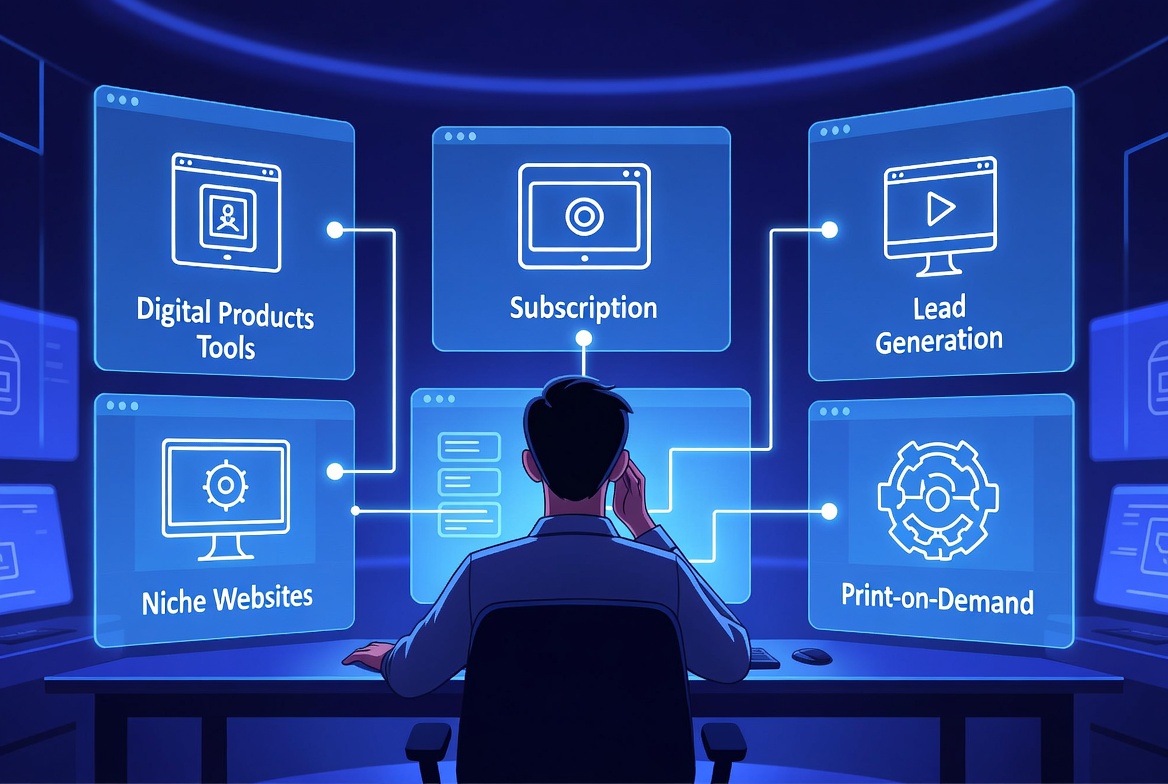
Not every automated business suits every person. Lifestyle fit matters more than income potential.
I learned this by choosing models that looked good but felt draining. Sustainability matters.
Ask yourself honest questions before choosing.
- How much setup time can I invest
- Do I prefer content, systems, or design
- How much control do I want
- Am I comfortable with delayed results
The best model supports your life instead of competing with it.
Final Thoughts
Automation is not about avoiding work forever. It is about doing the right work once and letting systems carry the weight later.
When built with intention, automated online businesses create space, consistency, and peace of mind. You trade constant effort for thoughtful setup. Over time, that shift changes how you experience income, freedom, and control.