17 Online Business Ideas You Can Start With Little Capital and High Potential
Starting an online business does not have to mean big money, huge risks, or quitting your job overnight. I have learned that small, focused ideas often grow faster than expensive ones.
If you use skills you already have and stay consistent, low capital businesses can quietly turn into powerful income streams.
1. Freelance Service With a Narrow Focus

Freelancing works best when you stop trying to serve everyone. A narrow focus helps people understand your value faster and trust you sooner.
Instead of offering many services, you solve one clear problem well. This makes pricing easier and reduces burnout.
Examples of narrow freelance services include:
- Email copywriting for small ecommerce brands
- Bookkeeping for online coaches
- Video editing for YouTube creators
2. Digital Products Based on Practical Knowledge
Digital products work because they separate time from income. You create once, then sell repeatedly. The key is focusing on practical solutions, not theory.
People pay for shortcuts that save them time or mistakes. Even simple guides can sell well if they solve a clear problem.
Common digital product ideas include:
- Checklists and planners
- Short ebooks or guides
- Swipe files or scripts
3. Niche Content Websites
Niche websites grow slowly, but they build quiet power. You focus on a specific topic and publish helpful content consistently.
Over time, search engines bring steady traffic without daily promotion. This makes the business feel calm once it matures.
Niche websites often earn through:
- Display ads
- Affiliate links
- Digital products
4. Print on Demand Products

Print on demand removes the biggest risk in selling products. You do not handle inventory, shipping, or storage.
You focus on ideas and designs, while platforms handle the rest. This makes it easy to test many ideas without large losses.
Popular print on demand items include:
- T shirts and hoodies
- Mugs and notebooks
- Phone cases and tote bags
5. Online Coaching or Consulting
Coaching works when you teach from experience, not perfection. People want guidance from someone who is a few steps ahead, not someone who claims to know everything.
You can start with one on one sessions and later scale into group programs. This keeps costs low and learning high.
6. Affiliate Marketing With Intentional Content
Affiliate marketing works best when trust comes first. Instead of pushing products, you help people make better decisions.
When content answers real questions, affiliate links feel natural. This builds long term income instead of quick wins.
Strong affiliate content often includes:
- Honest product comparisons
- Tutorials and walkthroughs
- Personal experience stories
7. Email Newsletter With a Clear Angle

An email list gives you direct access to people who care about your message. Unlike social media, no algorithm decides who sees your work.
A clear angle keeps readers engaged. You teach, share, or explain one theme consistently.
Newsletters can earn through:
- Sponsorships
- Paid subscriptions
- Your own products
8. Micro SaaS or No Code Tools
Small software tools solve small problems, but they can earn steady income. You do not need to build complex platforms to succeed.
No code tools make development faster and cheaper. This allows you to validate ideas before investing heavily.
Examples include:
- Simple calculators
- Tracking dashboards
- Automation tools
9. Online Course Built From Real Experience
Courses sell best when they reflect real struggles and solutions. You teach what you have done, not what you read.
Short and focused courses often outperform long ones. People want results, not information overload.
Good course topics usually:
- Solve one specific problem
- Offer clear steps
- Include practical examples
10. Community Based Membership

Communities create value through shared goals. When people support each other, the group becomes stronger than any single teacher.
Membership businesses grow through retention, not constant selling. This creates predictable income over time.
Strong communities often include:
- Clear rules and purpose
- Regular discussions or events
- Member driven value
11. Lead Generation for Local Businesses
Many local businesses struggle with online leads. You can help them without running their entire marketing system.
Lead generation focuses on results, not services. This makes pricing simpler and value clearer.
Common lead generation niches include:
- Home services
- Medical clinics
- Real estate agents
12. Digital Templates and Resources
Templates save time, which makes them valuable. You package systems that others can reuse.
Once created, templates require little maintenance. This makes them perfect for low capital starters.
Popular templates include:
- Spreadsheets
- Presentation slides
- Business documents
13. Social Media Management for Specific Niches
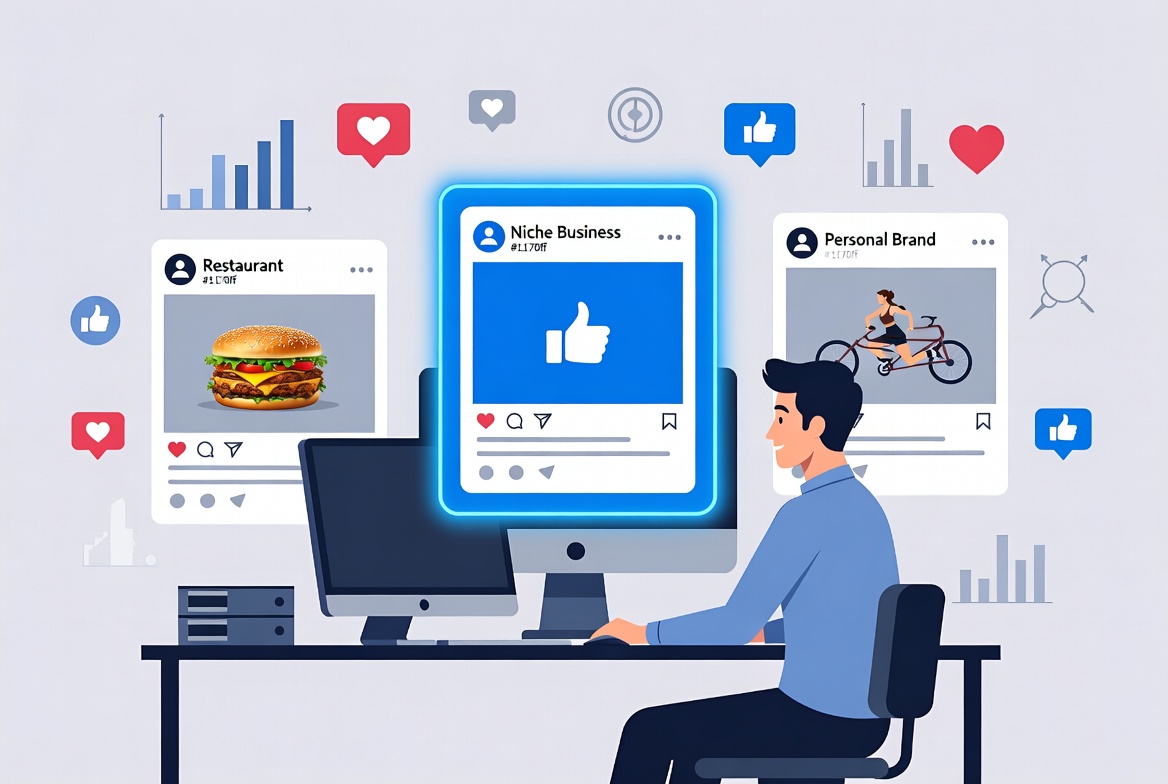
Managing social media becomes easier when you focus on one industry. You learn patterns faster and create systems that repeat.
Niche focus also allows higher pricing. Clients feel understood and supported.
Examples of niche management include:
- Restaurants
- Fitness coaches
- Personal brands
14. Market Research and Data Services
Businesses need insights, but many do not want to collect data themselves. You step in as the researcher.
This business stays behind the scenes, but demand remains steady. Accuracy and clarity matter more than visibility.
Market research services include:
- Surveys and analysis
- Competitor research
- Trend reports
15. Reselling and Online Arbitrage
Reselling teaches you markets quickly. You buy low and sell higher, learning demand in real time.
It is not passive, but it builds cash flow and experience. Many people use it as a stepping stone.
Common reselling platforms include:
- Amazon
- eBay
- Facebook Marketplace
16. AI Assisted Service Businesses

AI tools reduce workload, but humans still provide judgment. You combine tools with insight to deliver faster results.
This keeps costs low and output high. Clients care about outcomes, not the tools used.
AI assisted services often include:
- Content creation
- Data analysis
- Customer support setup
17. Automation Setup and Integration Services
Businesses want systems that save time. You help connect tools and automate tasks.
This service grows through maintenance and optimization. Once systems are in place, clients prefer ongoing support.
Automation services may include:
- Email workflows
- CRM setup
- Payment integrations
Common Mistakes to Avoid With Low Capital Businesses
Many people rush growth too early. They add tools, expenses, and complexity before earning stability.
Another mistake is copying trends without understanding the customer. Trends fade, but problems stay.
Avoid these common errors:
- Overbuilding before validating
- Ignoring feedback
- Quitting too early
Final Thoughts
Low capital does not mean low potential. It simply means you must think clearly and act intentionally. I have seen small ideas grow into meaningful income by focusing on skills, consistency, and real value. Start where you are, keep learning, and let progress compound naturally over time.